Today’s Sponsor
While other sectors stall, AI investment is accelerating — showing up in earnings calls, corporate budgets, and real-world deployment. Capital is quietly concentrating around companies with clear demand and long-term relevance, and selective opportunities are forming right now.
A new research brief identifies 2 AI stocks trading under $15 that may be positioned for the next phase of growth — including key developments that could move these names in the months ahead.
Get the Free AI Stocks ReportBy following the link above, you're choosing to opt in to receive insightful updates from Investing Ideas Daily + 2 free bonus subscriptions! Your privacy is important to us. You can unsubscribe anytime. See our privacy policy for details.

Thursday, Oct. 15, 2026: Ukraine regains a critical battlefield tool as strikes continue; federal agencies spar over oversight; campaign optics collide with questions of association; and law enforcement moves on an alleged anti-Hindu plot.
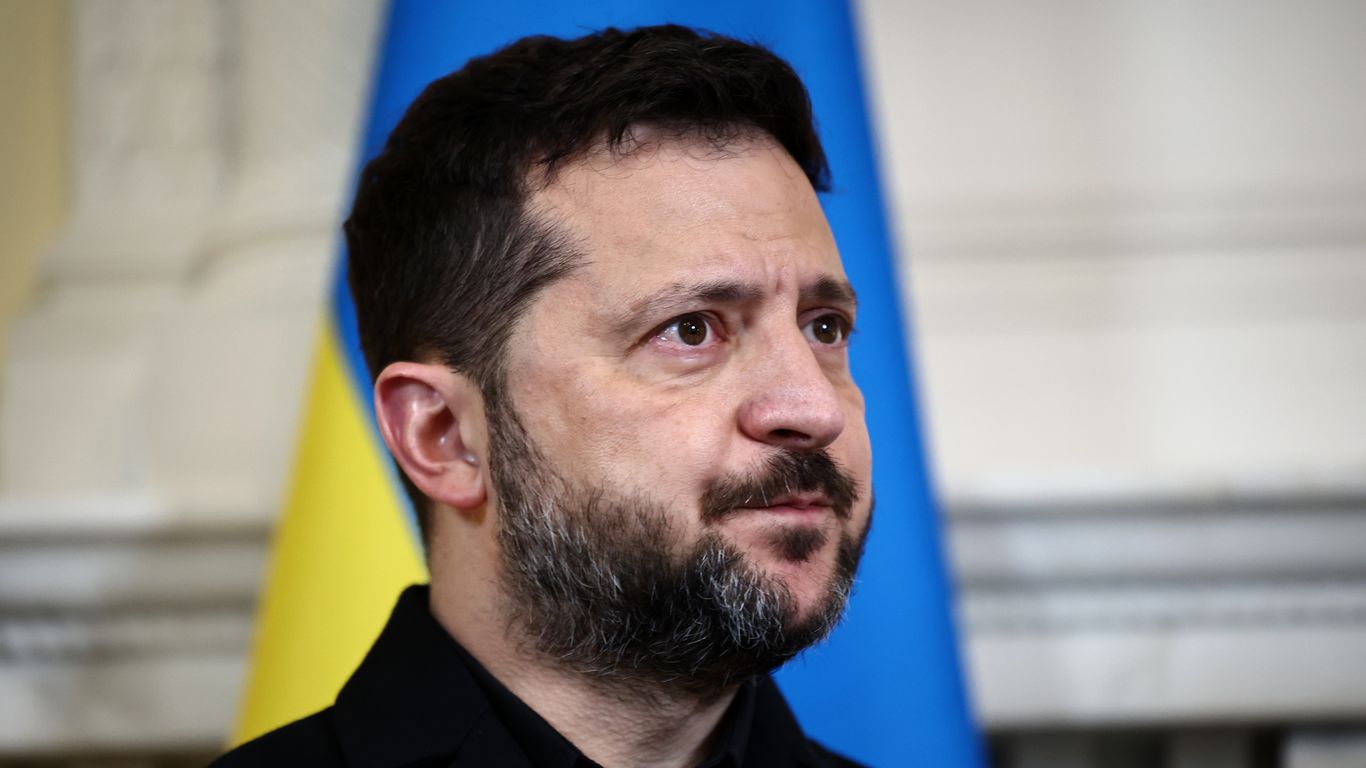
Image via Axios
Ukraine strikes Russian refinery as Starlink and Starshield return to full capacity
Ukraine struck a Russian oil refining facility as its forces continued long-range attacks aimed at degrading Moscow’s war logistics. The timing was notable: Kyiv also saw full capacity restored for Starlink and Starshield satellite services after an unexpected throttling earlier in the week, according to reporting that described the outage as a serious operational disruption.
Starlink has become a backbone for Ukrainian battlefield connectivity, from frontline command-and-control to drone operations and emergency communications. The episode revived familiar questions about reliance on privately controlled space-based networks in wartime, especially when service levels can change quickly and with limited public visibility into the decision-making.
The restoration eases immediate concerns for Ukraine’s operational tempo, but it doesn’t eliminate the underlying vulnerability: a single commercial provider can become a strategic choke point. That’s true even if the interruption was technical, policy-driven, or the result of pressure from governments or other actors—because the impact on the battlefield is the same.
✓ The Bottom Line: Ukraine should treat this as a warning shot, not just a near-miss. A modern army cannot have its communications resilience hinge on a private company’s switchboard, however helpful that company has been. The U.S. and allies should accelerate redundancy—multiple providers, hardened terminals, and clearer contractual guarantees—because “restored” is not the same as “secured.”
📎 Axios

Image via The Hill
ICE pushes back on automatic body-cam activation when weapons are drawn
Immigration and Customs Enforcement is declining to adopt a watchdog recommendation that would automatically activate agents’ body cameras when a weapon is drawn, according to new reporting. The proposed change mirrors systems used in some police departments that link camera recording to holster sensors or other triggers, aiming to reduce the number of critical incidents that go undocumented.
ICE’s resistance reflects a familiar tension: agencies cite operational complexity, cost, privacy, and the risk of over-collection, while oversight groups argue that automation protects the public, the officers, and the integrity of investigations. In immigration enforcement, the stakes are especially high because encounters can involve language barriers, high emotion, and after-the-fact disputes about what was said or done.
Body cameras are not a cure-all—footage can be incomplete, and policies matter as much as hardware—but the core question is straightforward: if a use-of-force situation is serious enough for a weapon to come out, it’s serious enough to record by default.
✓ The Bottom Line: Automatic activation tied to weapon draw is a sensible baseline, not a radical demand. It reduces “I forgot” failures in the exact scenarios where trust is most fragile, and it can also exonerate agents when allegations don’t match the video. If ICE has specific technical or safety objections, it should publish them and propose an alternative that gets to the same outcome: reliable recording in critical moments.
📎 The Hill
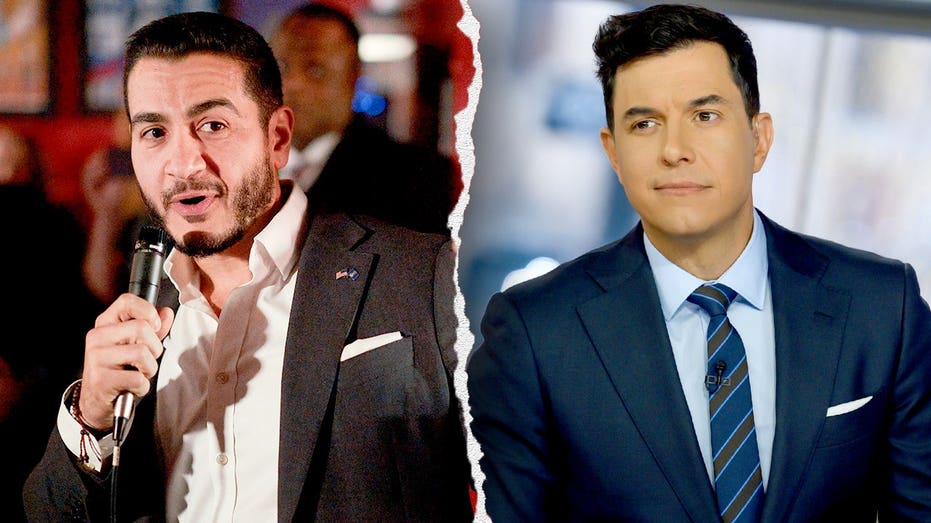
Image via Fox News
Abdul El-Sayed clashes with reporter over questions about alleged Muslim Brotherhood links
Abdul El-Sayed grew visibly agitated during an interview when pressed about whether his family has ties to the Muslim Brotherhood, according to the segment highlighted in reporting. He insisted there were no such connections, while the questioning pointed to statements and social media posts attributed to his half-sister that appeared to suggest otherwise.
It’s a volatile line of inquiry because it mixes personal association, political insinuation, and legitimate public-interest concerns. On one hand, “guilt by family” can become a lazy smear. On the other, candidates and high-profile public figures do have an obligation to address credible questions about affiliations—especially if close relatives publicly claim relationships that contradict the candidate’s blanket denials.
The practical political issue is less about the interviewer’s tone and more about clarity: viewers are left with a dispute over facts that should be verifiable. If there is documentation, it should be produced; if the posts are being misread or are inauthentic, that should be shown plainly and promptly.
✓ The Bottom Line: El-Sayed’s frustration is understandable, but agitation is not an argument—and it rarely reassures voters. The clean way through this is radical transparency: address the specific claims, separate verifiable facts from innuendo, and correct the record with evidence. If the story rests on ambiguity, campaigns should say so directly; if it rests on documented ties, the public deserves a straight answer.
📎 Fox News
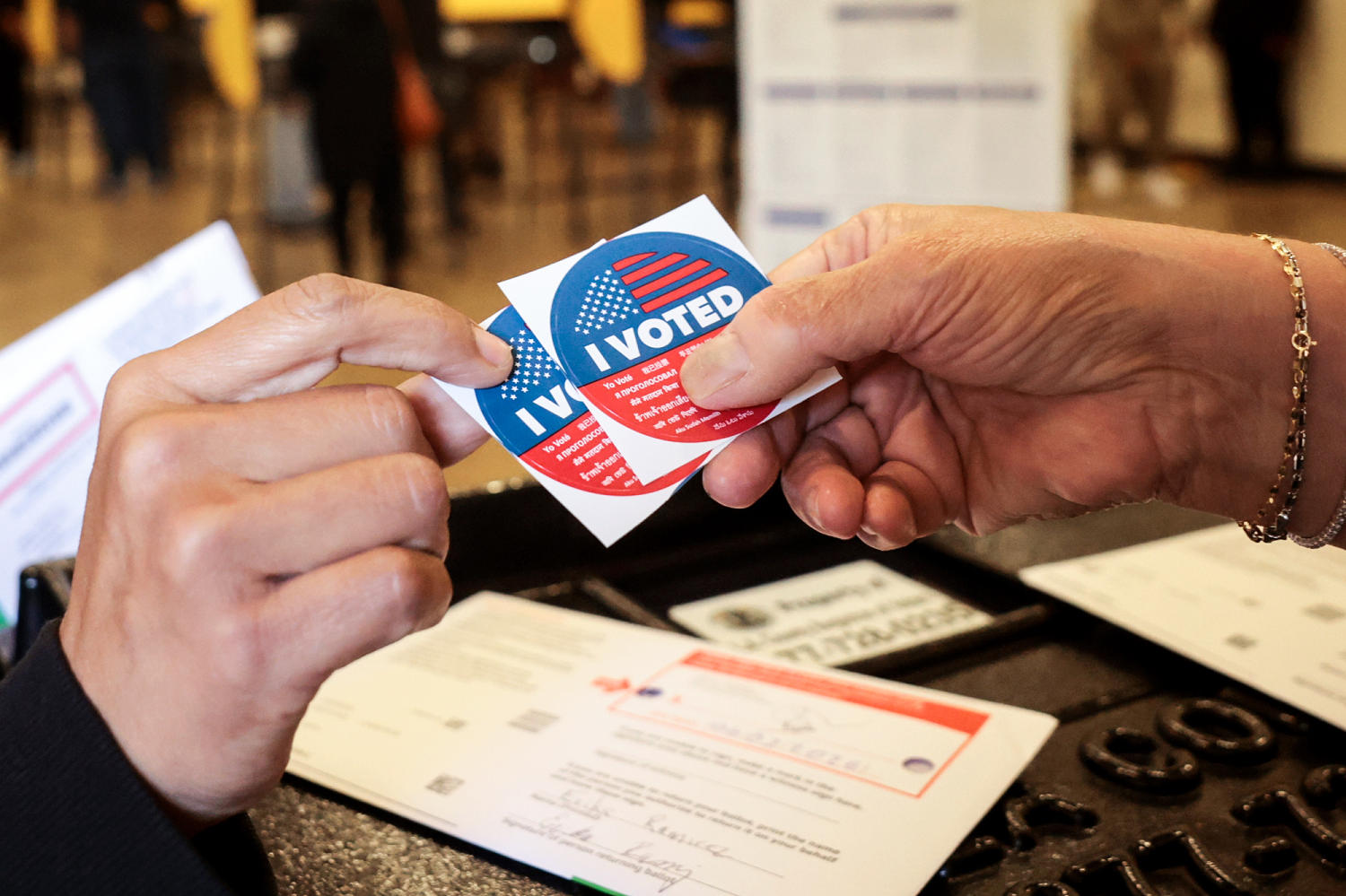
Image via NBC News
DOJ warns California after flagging potential noncitizen voters, demands rapid ballot segregation
The Justice Department is threatening legal action against California over alleged noncitizen voting concerns, demanding that election officials review a list of possible noncitizens within 48 hours and segregate any mail ballots submitted by those individuals, according to reporting. The directive reflects heightened federal scrutiny ahead of the 2026 election, with the department signaling urgency and a willingness to litigate.
California officials have historically argued that broad-based federal interventions can risk disenfranchising eligible voters, particularly when database matching is error-prone. Civil rights groups often warn that aggressive “list maintenance” and rushed challenges can sweep up naturalized citizens or voters with data discrepancies.
At the same time, the integrity standard is not complicated: only citizens should vote in federal elections. The hard part is process—ensuring that any enforcement is accurate, auditable, and not weaponized for partisan advantage. A 48-hour clock raises immediate questions about error rates, due process, and whether the state has practical capacity to validate citizenship status without collateral damage.
✓ The Bottom Line: Noncitizen voting should be treated as unacceptable even if the numbers are small, but enforcement has to be competent and careful. The DOJ should publish methodology and error rates to justify a deadline this tight, and California should cooperate while insisting on verifiable standards that protect lawful voters. If either side is using this as political theater, the loser will be public trust in the count.
📎 NBC News
Image via ABC News
Illinois teen charged in alleged plot that may have targeted a Hindu place of worship
A 19-year-old man in Illinois has been charged after an investigation into an alleged plan to carry out a mass shooting that may have targeted a Hindu place of worship, police said. The case underscores ongoing concerns about ideologically motivated violence and the vulnerability of faith communities to threats that can emerge rapidly online or through peer networks.
Authorities have not publicly framed the alleged plot within a single ideological category in the initial reporting, but the selection of a religious target points to a broader pattern: extremists and would-be attackers often seek symbolic sites where maximum fear and community trauma can be inflicted. For Hindu Americans—like other minority faith groups—threats can blend overseas political grievances with domestic radicalization.
The immediate focus now shifts to what investigators found, whether there were co-conspirators, and what intervention points were missed or successfully activated. Prevention, in these cases, is as important as prosecution: timely reporting, credible tips, and coordinated response can save lives.
✓ The Bottom Line: An alleged plan targeting a house of worship should trigger zero hesitation: treat it as terrorism-adjacent violence aimed at civilians, and prosecute accordingly if the evidence supports it. Communities also deserve visible protection without being asked to live behind barricades forever. The policy priority is to disrupt plots earlier—through better tip pathways, threat assessment, and accountability for anyone who materially assists.
📎 ABC News
That’s the file for today. We’ll keep separating signal from noise—and updating as the facts harden.
— Brief Updates Editorial