Today’s Sponsor
The AI revolution is here—and I've identified 9 powerhouse companies with real US operations, proven revenue growth, and deep AI integration that are primed to dominate. From a hidden chip maker set to power domestic AI manufacturing to a cloud provider ready for explosive growth, these aren't the tired "AI hype" stocks everyone's talking about.
The smart money is already watching, and once they move, these stocks could soar. Don't be the last to catch this wave—get the complete details on all 9 game-changing companies in my FREE report before opportunity passes you by.
Get the Free ReportBy clicking this link you agree to receive emails from StockEarnings and our affiliates. You can opt out at any time. Privacy Policy.

Monday, June 29, 2026 — Diplomacy flickers in the Gulf, Ukraine keeps hitting Russia’s energy backbone, the Ohio Valley reels from flash floods, and Washington is waking up to a simple fact: the AI boom is big enough to tax.

Image via Axios
U.S. and Iran agree to halt strikes ahead of Qatar talks, U.S. official says
The U.S. and Iran have agreed to stop attacking each other and plan to meet Tuesday in Doha, Qatar, according to a senior U.S. official. The pause comes after days of heightened tensions and retaliation risk, with both sides facing strong incentives to avoid a wider regional escalation that could draw in partners and threaten energy markets.
What to watch is whether the halt holds long enough to produce a workable channel for deconfliction—especially around the underlying dispute that sparked the latest round of threats and responses. Temporary pauses are easier than durable arrangements: Tehran often seeks sanctions relief and recognition of its security interests, while Washington’s priorities typically center on protecting U.S. forces and partners, constraining Iranian capabilities, and preserving freedom of navigation. The meeting in Qatar signals at least a near-term preference for managed competition over open-ended escalation.
Even if talks proceed, the risk of miscalculation remains high. Regional proxies, domestic politics on both sides, and the sheer number of actors operating in contested spaces can all undermine a ceasefire-by-understanding. Markets and allies will judge credibility not by statements but by whether strikes, seizures, or proxy attacks actually stop.
Read the full story at Axios →
Ukrainian drones torch another Russian refinery as Moscow acknowledges fuel strain
Ukrainian drones set another Russian oil refinery on fire, continuing a campaign aimed at degrading the infrastructure that helps fund and sustain Russia’s war effort. The strike comes as President Vladimir Putin publicly acknowledged fuel shortages—an unusually direct admission that suggests the disruptions are being felt beyond isolated facilities.
Ukraine’s strategy has paired front-line pressure with deep strikes on energy and logistics, betting that repeated hits on refineries and depots can create compounding problems: reduced output of gasoline and diesel, costly repairs, forced rerouting, and higher domestic prices that strain public patience. Russia has tried to harden sites, improve air defenses, and shift supply chains, but the drones’ persistence underscores how hard it is to fully defend sprawling industrial networks.
For the broader war, energy attacks matter in two ways. They can constrain Russia’s military logistics—fuel is the lifeblood of mechanized operations—and they can squeeze export revenue if disruptions spread or insurance and shipping costs rise. The flip side is escalation risk: Russia has repeatedly retaliated against Ukraine’s power grid and civilian infrastructure, and drone strikes deepen the incentive for Moscow to keep doing so.
Read the full story at AP News →
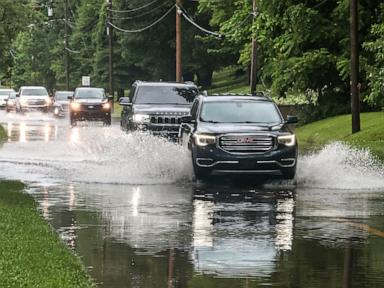
Image via ABC News
Flash flooding kills at least 5 across Kentucky and Tennessee as emergencies expand
Relentless rain and flash flooding over the weekend killed at least four people in Kentucky and one in Tennessee, according to state and local officials. Kentucky Gov. Andy Beshear said the storms inundated communities quickly, prompting rescues and emergency declarations as waterways rose and roads became impassable.
Flash floods are especially deadly because the danger escalates faster than people can react—particularly at night or in rural areas where low-water crossings are common. Officials urged residents to avoid driving through flooded roads, noting that a relatively small amount of moving water can sweep away vehicles. Emergency crews reported numerous high-water incidents, with shelters and response operations ramping up as additional rain threatened already saturated ground.
The immediate focus is search-and-rescue, restoring access to cut-off areas, and assessing damage to homes, bridges, and utilities. In the coming days, the risk often shifts to landslides, contaminated water, and prolonged displacement—especially for lower-income residents and those in flood-prone valleys where rebuilding can take years and insurance coverage is uneven.
Read the full story at ABC News →
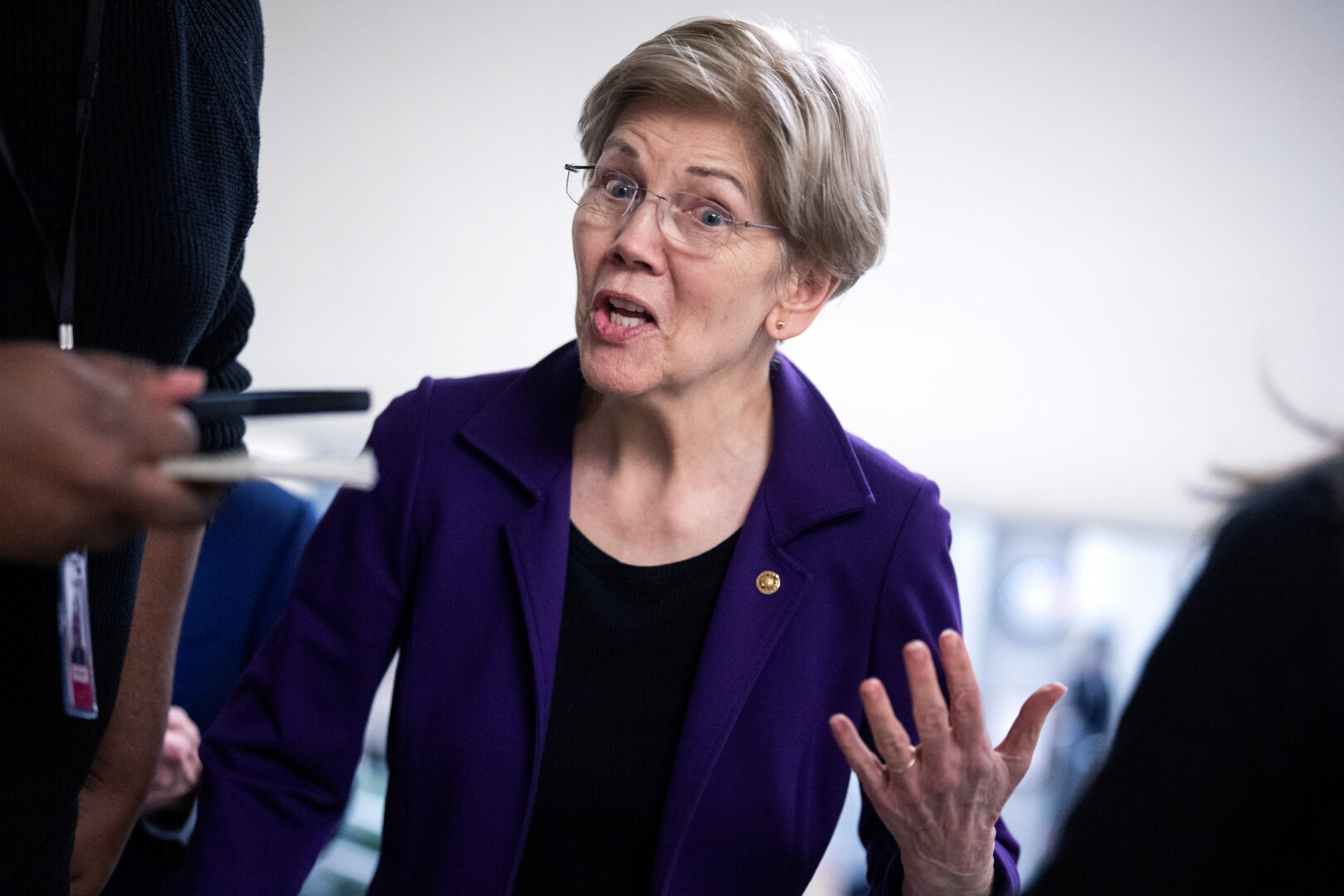
Image via Roll Call
Washington eyes new taxes on AI as lawmakers hunt for revenue—and leverage
Artificial intelligence is emerging as a ripe target for new taxes, as lawmakers look for ways to capture revenue from a fast-growing sector that is reshaping the economy and concentrating market power. Sen. Elizabeth Warren is among the most prominent Democrats pushing ideas that would effectively tax parts of the AI industry, arguing that the boom should help pay for public needs and that the biggest beneficiaries shouldn’t get a free pass.
The debate is still early, but the contours are familiar: advocates argue that AI development leans heavily on public goods—research, education, infrastructure—and imposes real costs, from labor disruption to energy use to misinformation risks. Skeptics warn that new taxes could slow innovation, push investment overseas, or function as a punitive levy on companies that are already spending heavily on compute, data centers, and specialized chips.
For center-right policymakers, the hard question is design: broad-based, predictable tax policy tends to beat ad hoc targeting that invites lobbying and loopholes. If Congress moves, expect intense fights over definitions (what counts as “AI” activity), the tax base (compute usage, profits, data center power consumption), and carve-outs for startups versus incumbents. The politics will also hinge on whether AI is framed primarily as an economic engine to protect or a concentrated industry to discipline.
Read the full story at Roll Call →

Image via Fortune
AI capex boom accelerates as Big Tech pours trillions into compute, power, and data centers
The AI spending boom is accelerating, with major technology companies committing vast sums to the infrastructure needed to train and run frontier models—data centers, specialized chips, networking gear, and long-term power arrangements. JPMorgan has raised its forecast for AI capital spending through 2030, reflecting sustained demand and the reality that the bottlenecks aren’t just software—they’re electricity, cooling, real estate, and supply chains.
This buildout is reshaping corporate budgets and competitive strategy. Companies that can secure chips, capacity, and reliable energy at scale gain an advantage not just in performance but in unit economics—lower cost per inference, faster iteration cycles, and the ability to offer enterprise-grade reliability. That’s why the market is rewarding “platform” players and key suppliers while pressuring firms that look under-provisioned for the next wave of AI-enabled products.
The implications go beyond Silicon Valley. A multi-trillion-dollar infrastructure cycle touches utilities, construction, grid modernization, and industrial policy—raising questions about permitting speed, transmission constraints, and the balance between energy reliability and climate goals. The same capex surge that excites investors is also fueling the political argument that AI has become big enough—and essential enough—to regulate and potentially tax.
Read the full story at Fortune →
That’s the file for Monday. We’ll be watching whether the U.S.-Iran pause holds through the Qatar meeting—and whether AI’s spending spree becomes the next big fight in Congress.
— Brief Updates Editorial