Today’s Sponsor
Tax season quietly reshapes where capital flows — refunds hit accounts, portfolios get rebalanced, and positions get liquidated to cover obligations. That creates unusual early movement in small-cap stocks that has nothing to do with company fundamentals. Right now, certain names are already showing structural signals most investors will miss entirely.
We've put together a free Market Structure Guide breaking down how tax season shifts market activity, why some small-cap profiles move unexpectedly in March and April, and three companies already showing early breakout signals. The window to act before broader attention arrives is narrow — don't wait.
Get the Free Market Structure Guide*We encourage readers to perform their own research and due diligence on any information we provide. By clicking the link you will automatically be subscribed to the Fierce Investor Newsletter. Privacy Policy

Friday, June 5, 2026 — The labor market shows resilience even as the Iran war raises costs; the Senate pushes forward on immigration enforcement funding; Ukraine tries to pull attention back to Europe; India steps in to defend the rupee; and crypto’s slump deepens.
Image via AP News
May Jobs Growth Expected to Cool, But Hiring Still Looks Steady Despite War Costs
U.S. employers likely added about 105,000 jobs in May, a slower pace that still points to a labor market holding together as the Iran war pushes up costs across energy, shipping, and government outlays. The expected gain would mark a downshift from earlier months, but not the kind of collapse that typically signals a recession. Investors and policymakers are watching whether war-related price pressures are filtering into wages and broader inflation measures.
The more important story may be stability: businesses appear cautious but not panicked, and layoffs—while uneven across sectors—have not yet turned into a broad-based jobs shedding cycle. For the Federal Reserve, the combination of continued hiring and elevated uncertainty complicates the path forward: if inflation expectations rise on war-driven price shocks, the Fed may feel pressure to stay restrictive longer, even if job growth cools.
Markets will focus on wage growth, labor force participation, and revisions to prior months. A modest payroll number alongside firm wage gains would likely keep the “higher for longer” rate narrative alive, while a weaker print with soft wages could reopen the debate about cuts later this year.
Read the full story at AP News →
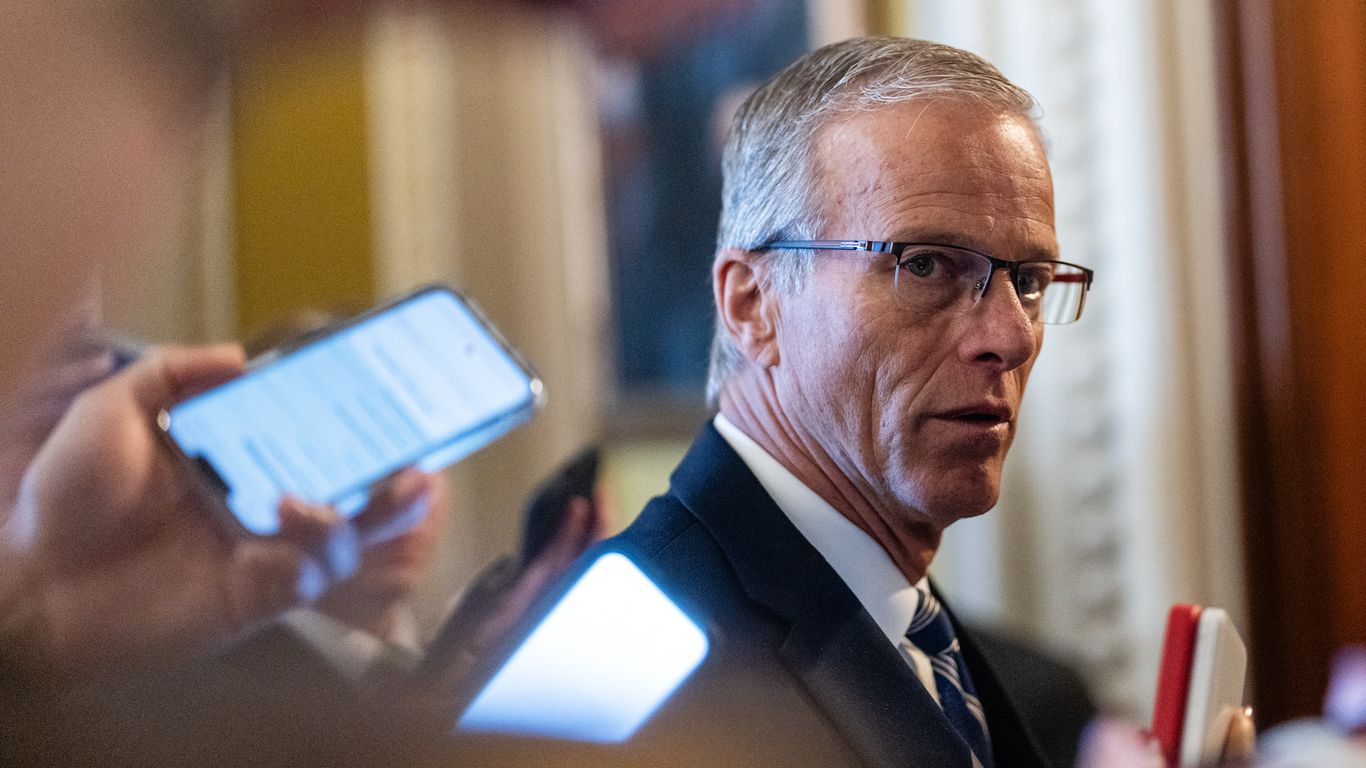
Image via Axios
Senate Advances ICE and Border Funding Plan Through Trump’s Term, After Amendment Fight
Senate Republicans advanced legislation to fund Immigration and Customs Enforcement and Border Patrol operations through the end of President Trump’s second term, fending off a series of amendments aimed at reshaping enforcement priorities. The move signals GOP unity around a long-horizon funding approach—designed to lock in staffing, detention capacity, technology procurement, and operational tempo—rather than annual negotiations that can become leverage points.
Democrats and some swing-state lawmakers argued that multi-year funding without tighter guardrails risks reducing oversight and could incentivize aggressive tactics, particularly around detention standards, interior enforcement, and coordination with local jurisdictions. Republicans countered that predictable funding is necessary to restore operational control, reduce backlogs, and prevent what they describe as policy whiplash that undermines border management.
The politics here are straightforward: border enforcement remains a top-tier issue for the GOP base, and the administration wants durable authority and resources. The practical implications will depend on final language—especially reporting requirements, limits on reprogramming funds, and whether the package includes performance metrics tied to processing capacity and removals.
Read the full story at Axios →
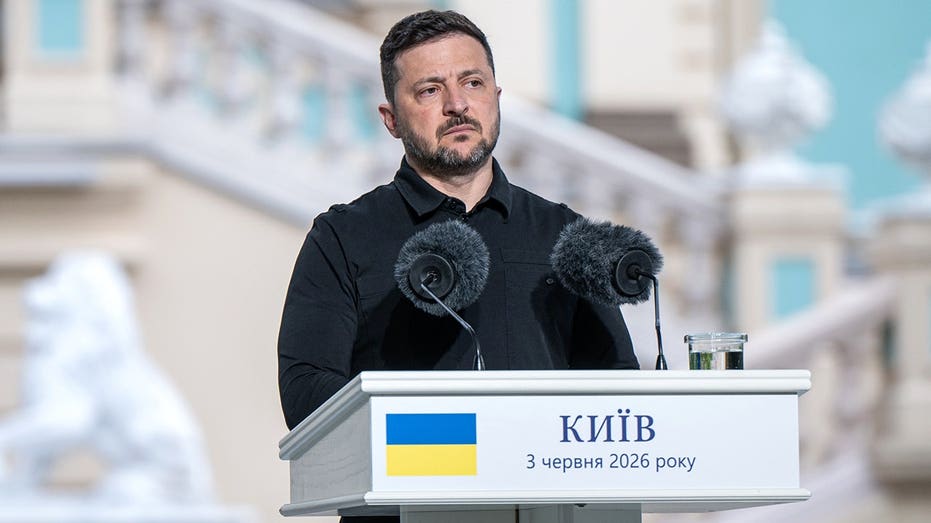
Image via Fox News
Zelenskyy Offers Putin a Meeting, Trying to Recenter Ukraine as U.S. Attention Shifts to Iran
Ukrainian President Volodymyr Zelenskyy issued an open letter proposing a direct meeting with Russian President Vladimir Putin, framing it as a chance to negotiate an end to the grinding war as U.S. strategic attention is “fully focused” on Iran. The outreach appears aimed at multiple audiences: Western partners whose budgets and arsenals are stretched, domestic Ukrainians weary of stalemate, and skeptics abroad who argue diplomacy has not been attempted in good faith.
Russia has historically used calls for talks to seek concessions while consolidating battlefield gains, and Moscow’s conditions for negotiations have often included recognition of territorial claims Ukraine rejects. Zelenskyy’s offer, by contrast, is designed to show openness without signaling a willingness to trade away sovereignty—though the practical contours of any proposed agenda, venue, or intermediaries remain unclear.
The timing matters. As Washington prioritizes the Iran conflict, European capitals may face renewed pressure to shoulder more of Ukraine’s defense burden. Kyiv’s diplomatic move may help sustain political support, but a credible path to talks will likely require more than public letters—particularly if neither side sees battlefield incentives to compromise.
Read the full story at Fox News →
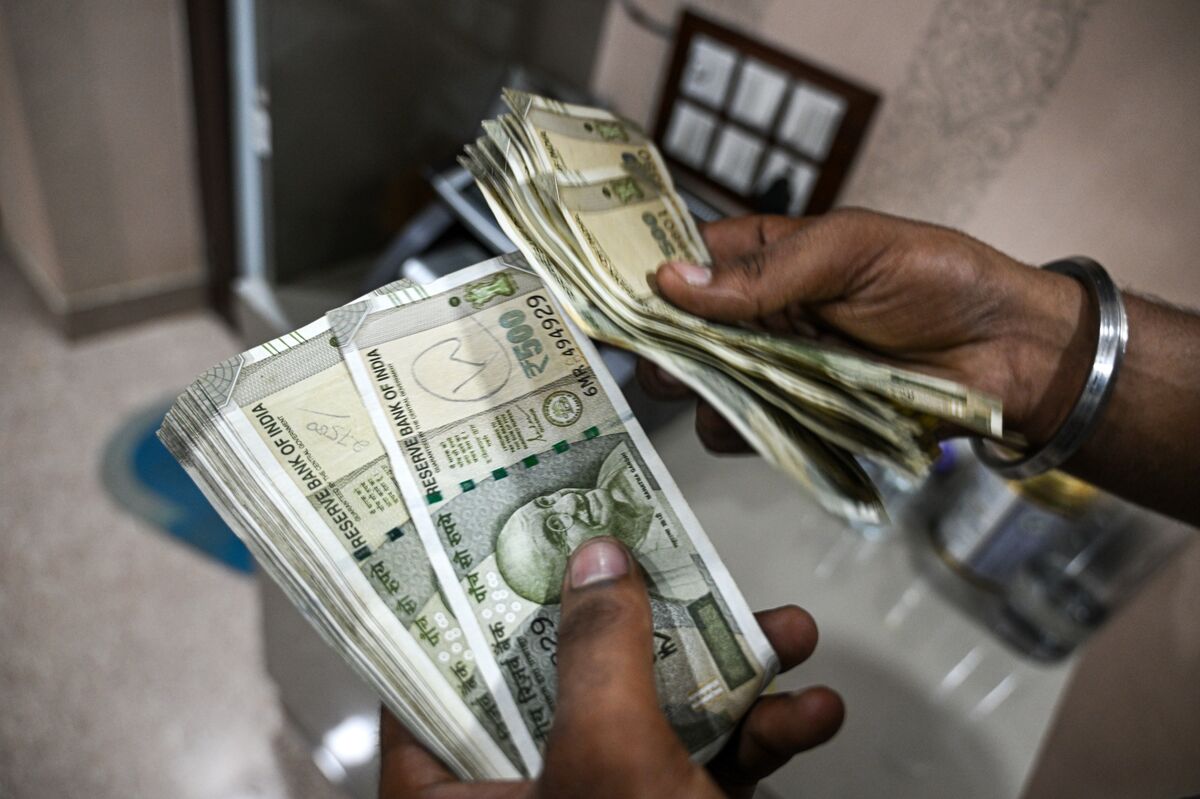
Image via Bloomberg
India Moves to Shore Up the Rupee, Offering Foreign Investors Better Returns and More Confidence
India’s government and central bank are rolling out measures intended to stabilize the rupee and attract foreign capital, effectively giving the currency a multibillion-dollar lifeline. The steps are aimed at improving returns for foreign bond investors—an explicit attempt to keep portfolio flows coming in amid global risk aversion and a stronger dollar environment.
For New Delhi, the objective is twofold: reduce pressure on the currency (and, by extension, imported inflation) while sustaining investment in government debt without relying solely on direct FX intervention. By making Indian bonds more attractive—through rule changes, market access tweaks, or return-enhancing mechanisms—authorities hope to offset outflows that can accelerate when global yields rise or geopolitical risk spikes.
The tradeoff is that “supporting the rupee” via investor-friendly reforms can increase sensitivity to international sentiment: more foreign participation can deepen markets, but it can also amplify volatility in stress events. Still, in the near term, policymakers appear focused on ensuring adequate demand for rupee assets and preventing disorderly moves that would complicate fiscal and monetary planning.
Read the full story at Bloomberg →
Bitcoin Ends a Rough Week Still Far Below Its Peak, With Dip-Buyers Staying on the Sidelines
Bitcoin capped a dismal week with prices still roughly 50% below its all-time high, extending a drawdown that has tested the conviction of long-term holders and muted the usual “buy the dip” reflex. The absence of a sharp rebound suggests investors are waiting for clearer catalysts—either a macro tailwind like easier financial conditions or a crypto-specific spark such as major inflows, regulatory clarity, or renewed institutional appetite.
Crypto markets have been wrestling with the same forces hitting other risk assets: high rates, tighter liquidity, and a more skeptical investor mood following prior cycle excesses. When cash yields are attractive, the hurdle for speculative assets rises, and leverage becomes more expensive. That dynamic tends to compress rallies and deepen selloffs when sentiment turns.
The key question now is whether the market is grinding through a typical post-peak consolidation or pricing in a longer-term reset in valuations. Traders will be watching ETF flows (where applicable), derivatives funding rates, and on-chain indicators for signs that selling pressure is exhausting—or that another leg down is still possible if macro conditions worsen.
That’s the brief for today. We’ll be watching the jobs data details, the Senate’s next procedural steps on border funding, and whether any real diplomatic channel emerges on Ukraine as global attention remains pulled toward Iran.
— Brief Updates Editorial