Today’s Sponsor
By the time a small-cap stock is making headlines, the early opportunity is already gone. The real setups develop quietly — in the companies building the infrastructure and technology behind the trend, before the crowd arrives. That's exactly where we're looking right now.
We've identified five under-the-radar profiles showing early signals — shifting volume, momentum, and positioning — that historically appear before broader attention moves in. Our latest free report breaks down how we spot these setups and names the five companies currently on our watchlist.
Get the Free Watchlist ReportWe encourage readers to perform their own research and due diligence on any information we provide. By clicking the link above, you will automatically be subscribed to the Krypton Street Newsletter. To view our privacy policy, visit lifewatermedia.com/privacy-policy.

Friday, June 12, 2026: A landmark listing for SpaceX tests investor appetite, the U.S. reports drone shootdowns amid escalating Iran strikes, Senate leadership accelerates a key intelligence confirmation, banks eye an IPO-and-volatility windfall, and analysts stay constructive on Sterling Infrastructure.
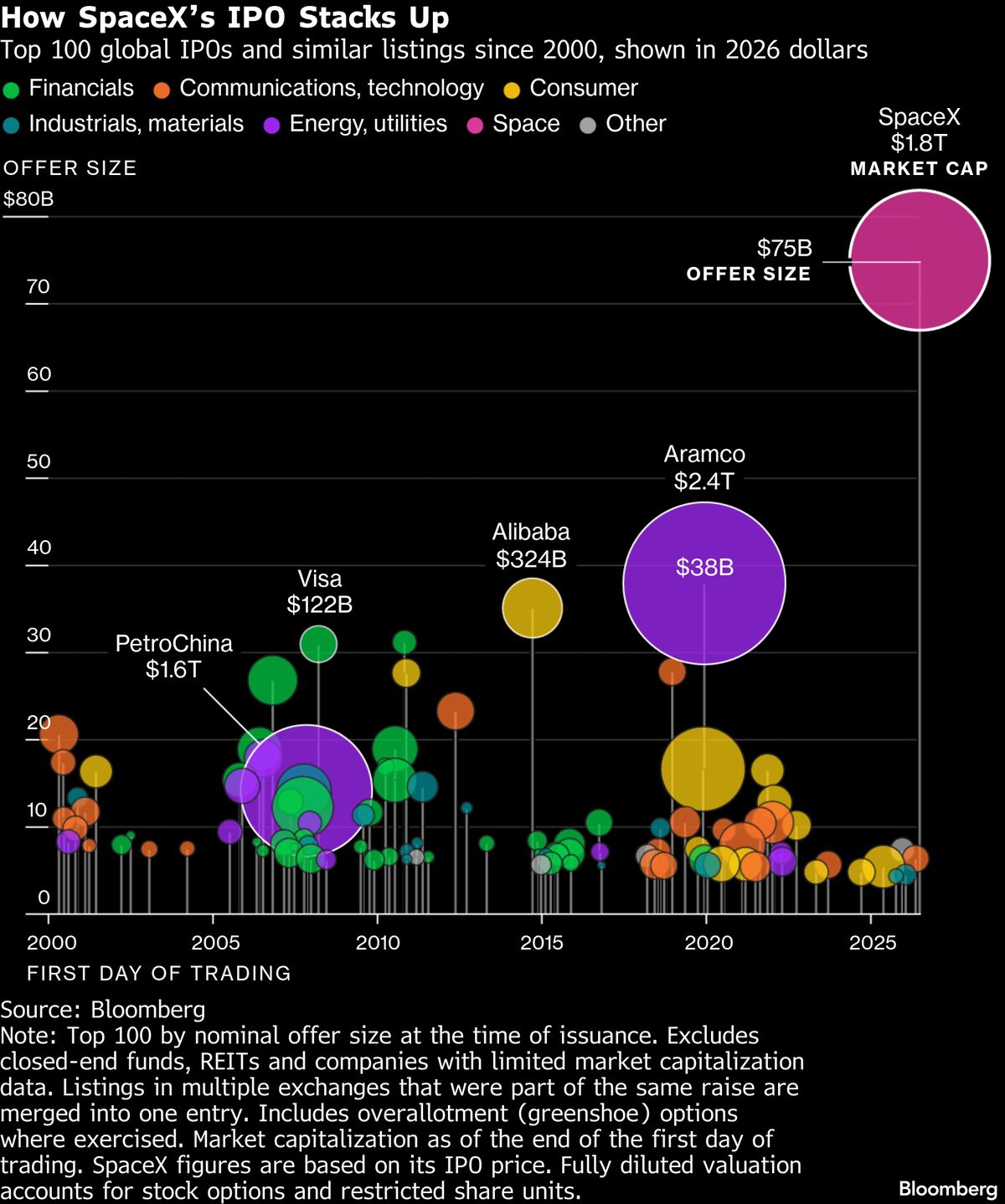
Image via Bloomberg
SpaceX’s $75 Billion IPO Is Done — Now Comes the Hard Part
SpaceX has priced what Bloomberg describes as a record-setting $75 billion initial public offering, instantly placing the company among the world’s largest publicly traded firms and turning a long-anticipated Wall Street event into a live test of investor demand for big, story-driven growth at scale. The debut shifts SpaceX from a privately controlled, engineering-first operator into a company required to meet quarterly expectations, explain capital intensity, and communicate risk with public-market discipline.
The near-term question isn’t whether SpaceX has a formidable business; it’s whether public investors will underwrite the pace and cost of its ambitions at a valuation that has little room for execution stumbles. Space remains a strategic industry with real revenue lines — launch services, satellite communications, and government contracts — but it’s also exposed to regulatory scrutiny, mission risk, and the reality that even dominant platforms can see margins fluctuate with cadence, pricing, and competition.
A blockbuster IPO can be a confidence signal, but it also creates a new benchmark: every backlog update, satellite deployment milestone, and government award will now be filtered through what the stock is “supposed” to be worth. For retail and institutional buyers alike, the next few weeks will be less about the headline number and more about how the shares trade once lockups, index flows, and post-IPO positioning start to matter.
Source: Bloomberg
Read the full story at Bloomberg →
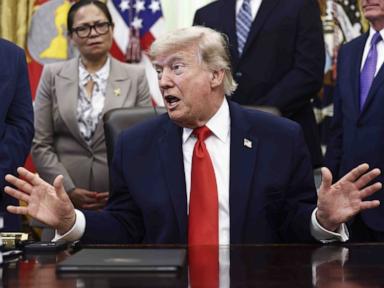
Image via ABC News
U.S. Shoots Down Two Iranian Drones as Wider Iran Campaign Intensifies
The U.S. military shot down two Iranian drones, according to ABC News live updates, as the U.S. and Israel continue trading strikes with Iran in a rapidly escalating regional confrontation. The report comes in the context of President Donald Trump’s earlier announcement of “major combat operations” beginning Feb. 28, involving large-scale joint U.S.-Israeli attacks.
The immediate military significance of two drones can be modest — depending on payload, target, and whether they were part of a larger salvo — but the political and strategic stakes are larger. Drone interceptions underscore how quickly this conflict can widen through miscalculation, proxy activity, or attempts to test air defenses, especially around contested corridors and sensitive bases.
Washington’s challenge is balancing deterrence and escalation control: demonstrating that U.S. forces will defend themselves and partners while avoiding open-ended conflict commitments. Meanwhile, markets and allies are watching for signs of spillover risk — including threats to regional shipping, energy infrastructure, and the safety of U.S. personnel — all of which can expand the scope of engagement well beyond the initial objectives.
Source: ABC News
Read the full story at ABC News →
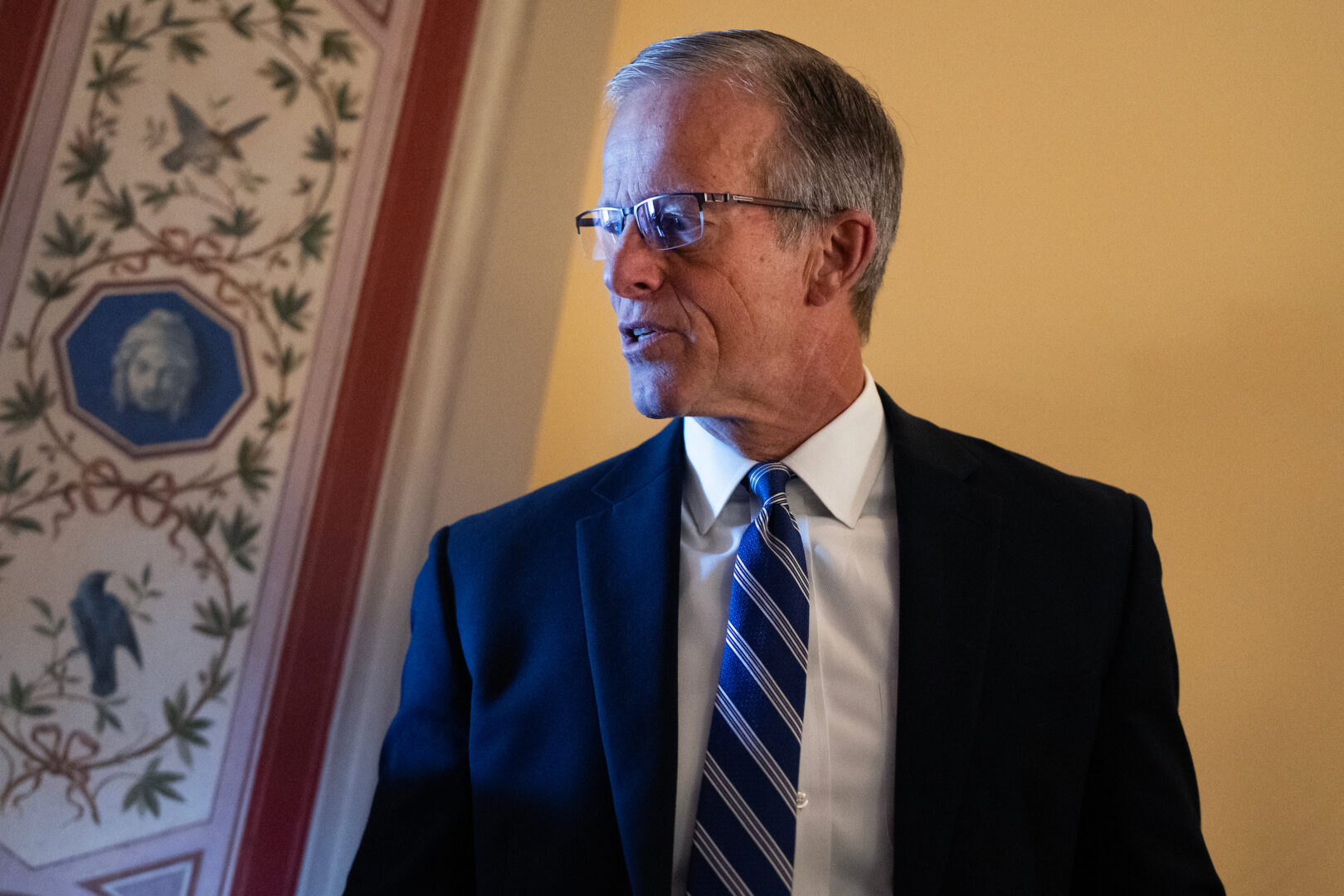
Image via Roll Call
Senate Leadership Signals Quick Vote Path for Trump’s DNI Pick
Senate Majority Leader John Thune is signaling an accelerated confirmation timeline for President Trump’s nominee to serve as Director of National Intelligence, according to Roll Call. Moving quickly on a DNI reflects how central intelligence coordination is to the administration’s national security posture — particularly amid ongoing military operations and elevated geopolitical risk.
A fast process can mean less time for extended public vetting, but it doesn’t eliminate the core confirmation questions senators typically press: independence from political pressure, willingness to deliver unwelcome assessments, handling of classification and oversight, and management of interagency disputes. The DNI role is uniquely positioned at the intersection of White House priorities and analytic integrity, and the Senate’s leverage is largely exercised through the hearing record and conditions attached to confirmation.
With the intelligence community under constant scrutiny from both parties — and with public trust often fragile — the confirmation process is also a signal to allies and adversaries about continuity and professionalism. If leadership compresses the schedule, expect members to focus on a narrow set of credibility tests: competence, candor, and a clear commitment to lawful oversight.
Source: Roll Call
Read the full story at Roll Call →

Image via MarketWatch
JPMorgan: Investors May Be Underpricing the Wall Street Upside From Mega IPOs and Volatility
JPMorgan is arguing that investors are overlooking how a surge in large IPOs — including SpaceX — paired with heightened market volatility can boost earnings for major investment banks, MarketWatch reports. The basic thesis: heavy issuance supports underwriting fees, while sharp price moves typically lift trading volumes and bid-ask opportunities across rates, equities, and credit.
That’s a sensible near-term setup for the biggest platforms, which can capture deal flow and absorb risk. But the same conditions that inflate trading revenue can also raise questions about durability: volatile quarters can reverse quickly, and IPO pipelines can freeze if the market turns or if high-profile debuts disappoint.
For investors, the real debate is how to value banks when “good” volatility can come bundled with higher funding costs, tougher regulatory posture, and potential credit deterioration if macro conditions weaken. In other words: the tailwind is real, but it’s not costless — and it’s often hardest to tell where the cycle is until it’s already turned.
Source: MarketWatch
Read the full story at MarketWatch →

Image via Yahoo Finance
Analysts Keep a Bullish Lean on Sterling Infrastructure — With Cyclicality Still the Watch Item
Wall Street remains broadly positive on Sterling Infrastructure (STRL), according to a Yahoo Finance roundup, reflecting continued confidence in the company’s positioning across infrastructure-adjacent construction and related services. Analyst optimism typically rests on a mix of project visibility, execution track record, and the multi-year demand environment tied to public works, industrial buildouts, and logistics-related spending.
The supportive case is straightforward: if backlog stays firm and cost control holds, construction operators with scale can translate demand into margin resilience even in an uneven economy. Investors also tend to reward companies that can demonstrate disciplined bidding, predictable cash flow conversion, and a credible path to growth without taking on excessive balance-sheet strain.
The main caution is that infrastructure contractors are not immune to cycle risk — labor availability, input costs, delays, and funding timing can all pressure results. A constructive Street view doesn’t remove those variables; it simply suggests analysts currently believe STRL is better positioned than many peers to manage them.
Source: Yahoo Finance
Read the full story at Yahoo Finance →
That’s the read for Friday. We’ll be watching SpaceX’s first days of real price discovery, the operational tempo in the Middle East, and whether Washington’s fast-tracked confirmations keep pace with events on the ground.
— Brief Updates Editorial