Today’s Sponsor
Policy is already moving markets in 2026 — trade enforcement, regulatory shifts, and tax positioning are redirecting capital right now. Institutions reposition before the headlines catch up, and the window to act early is closing fast.
Our analysts identified 5 stocks showing real momentum tied directly to current administration policy themes — including the sectors benefiting most from domestic investment trends and regulatory tailwinds. Don't get left behind.
Get the Free Report Now(By following any of the links above, you're choosing to opt in to receive insightful updates from The Investment News Daily + 2 free bonus subscriptions! Your privacy is important to us. You can unsubscribe anytime. See our privacy policy for details.)

Wednesday, August 26, 2026: A Trump-backed runoff win reshapes South Carolina’s GOP lane, flash floods ravage Nepal and Tibet, and investors weigh sticky inflation against upbeat equity forecasts.
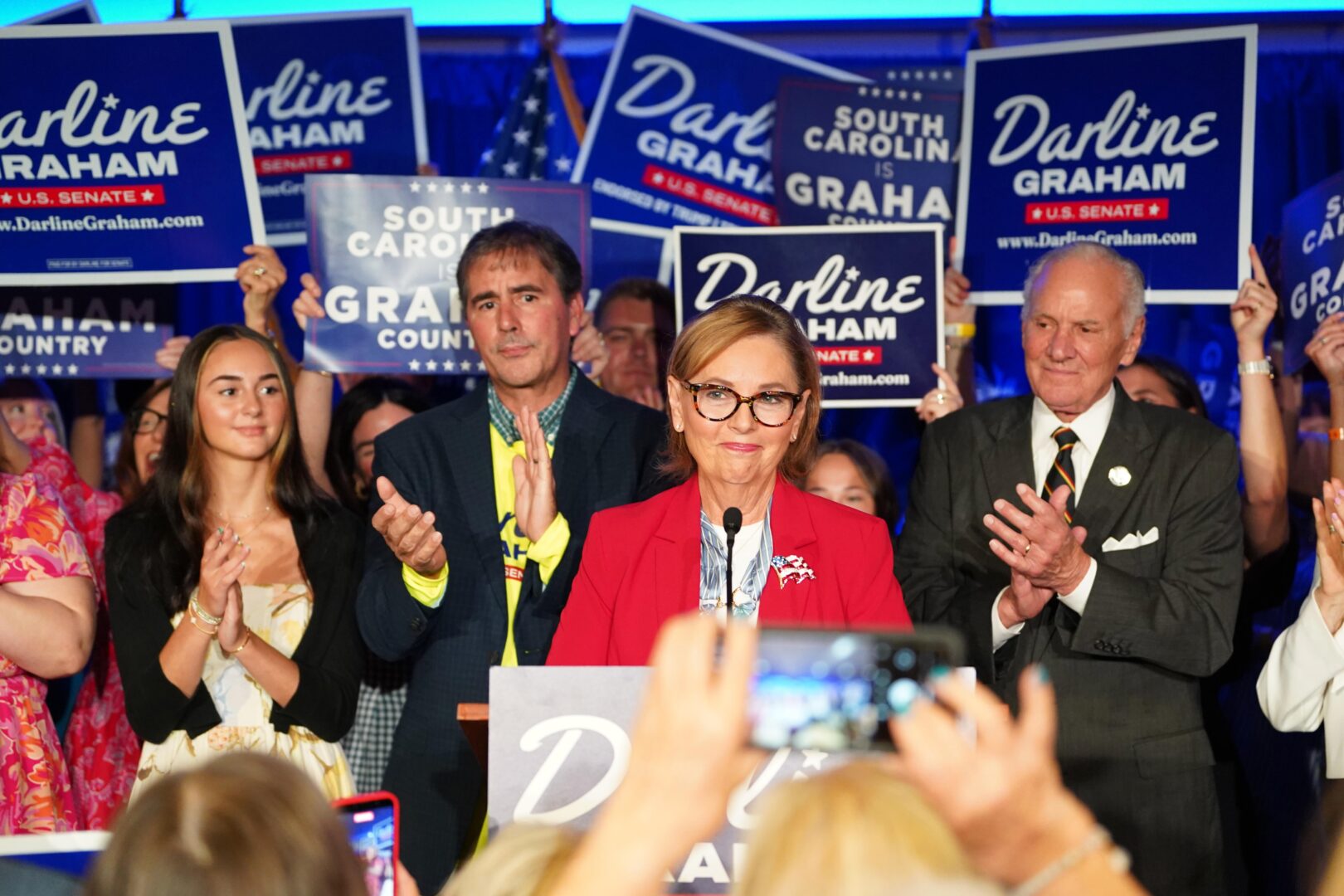
Image via Roll Call
Trump endorsement delivers in South Carolina runoff as Darline Graham breaks through
Sen. Darline Graham, a Republican in South Carolina, won her runoff Tuesday with a late boost from former President Donald Trump’s support, underscoring how Trump’s endorsement still functions as a powerful accelerant in GOP intraparty contests. Graham’s campaign framed the race as a test of party direction and loyalty, and the result is likely to be read nationally as another data point on Trump’s continued influence heading into the midterms.
Beyond the immediate win, the implications are procedural and strategic: endorsements can shape donor behavior, consolidate activist networks, and narrow the viable lane for rivals who attempt to run as “post-Trump” without alienating the primary electorate. For South Carolina Republicans, it also tightens incentives to align messaging with Trump-friendly priorities, even as leaders balance statewide general-election considerations and the need to keep coalitions intact.
The broader takeaway is less about one candidate and more about leverage: Trump’s backing remains a signaling device that can settle arguments inside a party that often prefers clarity to prolonged factional fights. That clarity can be politically useful, but it can also reduce space for policy nuance when candidates compete to prove alignment rather than competence.
Source: Roll Call
Read the full story at Roll Call →

Image via France 24
Nepal-Tibet flash floods: death toll rises, hundreds missing, rescue race against time
Officials in Nepal and China said Wednesday that at least 22 bodies have been recovered and hundreds of people remain missing after massive flash floods hit parts of Nepal and Tibet. The scale of the reported missing, cited as 384 people, points to a disaster that is still unfolding, with search-and-rescue hampered by washed-out roads, unstable terrain, and ongoing weather risks.
Flash floods in the Himalayan region can turn lethal quickly, particularly where steep valleys funnel water and debris into communities with limited warning. In cross-border disasters, logistics often become as important as manpower: coordinating communications, moving equipment through mountainous corridors, and sharing information between authorities can determine whether the missing are located in time.
The disaster also renews scrutiny of preparedness in high-risk mountain zones, including early-warning systems, land-use decisions near riverbanks, and the capacity of local governments to respond when infrastructure fails. Even after water levels recede, secondary threats like landslides, contamination, and disrupted power and food supplies can push a short, violent event into a longer humanitarian crisis.
Source: France 24
Read the full story at France 24 →

Image via Fox Business
PCE inflation runs hotter than expected in July, complicating the Fed’s next move
The Federal Reserve’s preferred inflation gauge, the Personal Consumption Expenditures (PCE) price index, rose more than expected in July, according to Commerce Department data highlighted Wednesday. The reading remains well above the Fed’s 2% target, reinforcing the reality that the last mile of disinflation is proving stubborn even after prior cooling.
For policymakers, the practical question is not whether inflation is lower than its peak, but whether it is low enough and stable enough to justify easing without reigniting price pressures. A hotter-than-expected print tends to tighten the Fed’s decision space: it can force officials to keep rates higher for longer, push back the timing of cuts, or elevate the importance of incoming data on wages, services inflation, and consumer demand.
Markets will parse the composition of the report for signal versus noise. If the upside surprise is concentrated in categories tied to supply shocks, the policy implications can differ from an increase driven by broad-based services inflation. Either way, persistent above-target PCE keeps pressure on households and raises the odds of choppy trading as investors reprice the path of interest rates.
Source: Fox Business
Read the full story at Fox Business →
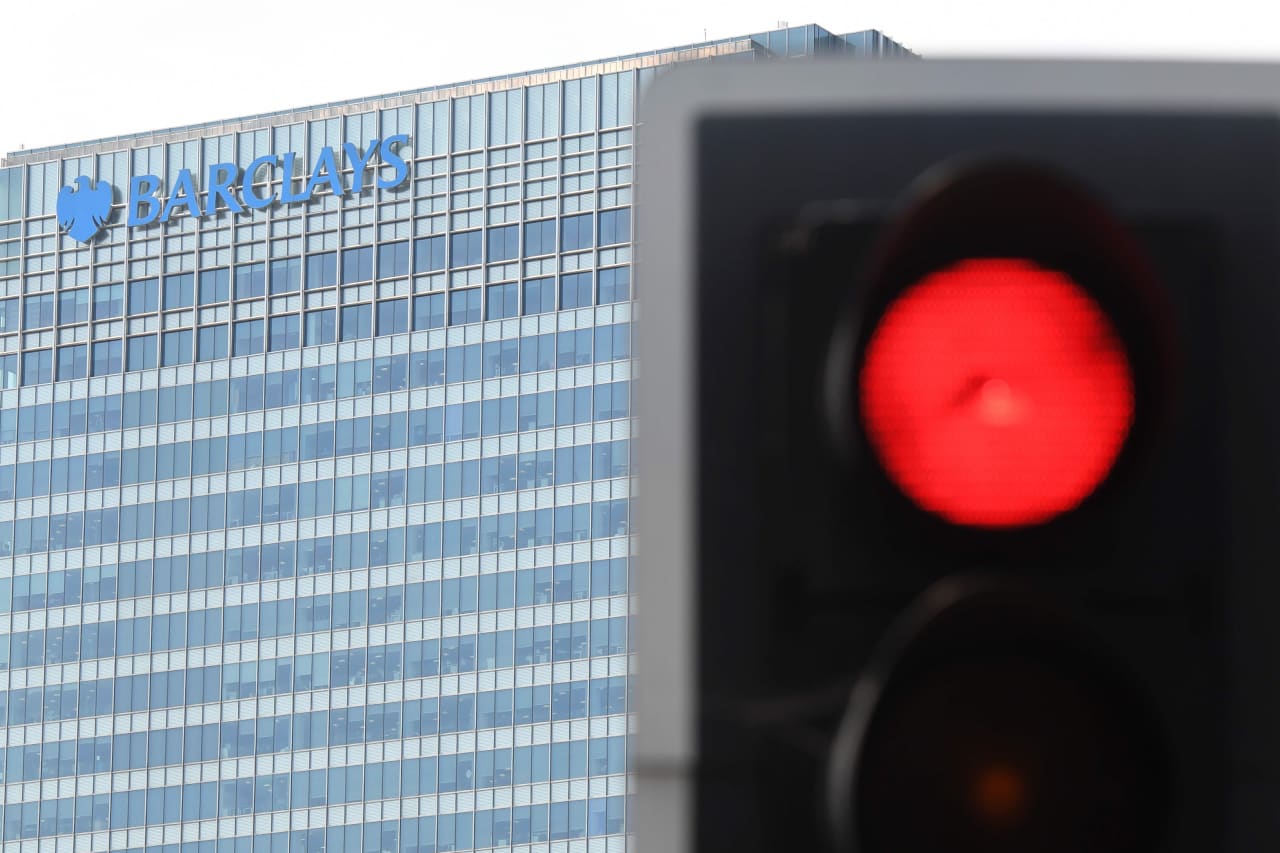
Image via MarketWatch
Wall Street sees new S&P 500 highs ahead, but Barclays flags volatility and election risk
Strategists expect the S&P 500 to reach fresh highs this year, but Barclays is warning that the path may be less smooth than recent momentum suggests. The bank points to rising macroeconomic volatility, concerns about capital supply linked to the artificial intelligence buildout, and uncertainty around the U.S. midterm elections as potential sources of market turbulence.
The AI point is particularly timely: large-scale investment in data centers, chips, power generation, and networking can lift productivity expectations, but it can also stress financing conditions and expose weaker business models when the cost of capital stays elevated. In other words, the same theme driving optimism can also amplify dispersion, separating durable cash-flow stories from speculative bets.
Election uncertainty adds another layer. Investors tend to discount most campaign noise, but midterms can change the legislative math and reshape expectations for taxes, regulation, defense spending, and energy policy. If inflation remains sticky and rates stay high, the market’s tolerance for policy surprises may be lower, making sudden volatility more likely even in an otherwise upward-trending year.
Source: MarketWatch
Read the full story at MarketWatch →
Northern Nepal flash floods kill at least eight as homes are swept away
Flash floods in northern Nepal have killed at least eight people and washed away homes, according to video reporting Wednesday. The images underscore the speed and force of flooding in steep Himalayan terrain, where river surges can destroy structures in minutes and leave little time for evacuation.
This report comes as broader accounts describe a larger regional disaster spanning Nepal and Tibet, with higher casualty figures and many missing. Differences in death tolls and impacted areas are common early in fast-moving emergencies, especially when communications are down and local officials are still reaching remote settlements.
What is clear is that communities in flood-prone valleys face immediate needs: shelter, clean water, medical assistance, and safe access routes for responders. Even after the waters drop, recovery often runs into months because landslides, damaged bridges, and disrupted supply lines can isolate villages and delay reconstruction.
Source: Al Jazeera
Read the full story at Al Jazeera →
That’s the brief: politics still bends to endorsements, nature still punishes weak infrastructure, and markets still can’t decide whether to fear inflation or bet on the future. More tomorrow.
— Brief Updates Editorial