Today’s Sponsor
Wall Street's been using ruthless, unemotional algorithms to run 80%+ of all stock trades — and that number keeps climbing. K.I.R.A. is the advanced AI engine built to level the playing field, giving everyday traders the same edge as the pros. It analyzes the market and hands you three distinct trade approaches — tailored to your risk tolerance — so you're never left guessing.
You don't have to take anyone's word for it. Fire up K.I.R.A. right now and see exactly what it surfaces for today's trades. The robots aren't waiting — and neither should you.
Access K.I.R.A. Now — See Today's TradesBy clicking the link above you agree to periodic updates from The TradingPub and its partners. Privacy Policy

Wednesday, June 10, 2026 — A fair, well-rounded look at today’s news: primary-night winners and liabilities, Ukraine’s expanding strike reach, a hotter inflation print, a Johannesburg manhunt after a mass shooting, and Democrats’ internal fight over how fast to regulate AI.
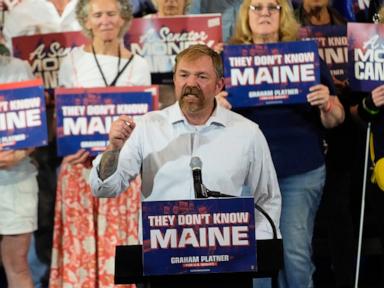
Image via ABC News
Primary night delivers winners — and a long runway of scrutiny for Platner
Tuesday’s primaries across four states produced two broad signals: Democrats can still nominate candidates with baggage if party voters think the alternative is worse, and President Donald Trump’s endorsements remain a meaningful force in GOP contests. ABC News highlights Democratic candidate Platner’s win as the headline result — but one that effectively extends, rather than ends, the controversy cycle surrounding the nominee.
Platner’s victory settles the nomination question while raising a more consequential one for the general election: how long the scrutiny lasts, and whether it stays a niche primary story or becomes a defining frame for swing voters. The immediate challenge for Democrats is message discipline — keeping the campaign anchored to issues and competence while anticipating that opposition research, outside spending, and earned media will keep returning to unresolved questions.
On the Republican side, the night reinforced that Trump’s backing continues to shape outcomes, particularly in crowded or low-information races where endorsements serve as a shortcut for voters. That influence doesn’t guarantee general-election strength in every district, but it does continue to consolidate the party’s coalition around Trump-aligned candidates.
Source: ABC News
Read the full story at ABC News →
Image via Associated Press
Ukraine expands long-range strikes into Russia, targeting military and energy sites
Ukraine launched long-range strikes on military and energy-related targets inside Russia, underscoring Kyiv’s growing capacity — and willingness — to hit infrastructure well beyond the front lines. The attacks, which involved drones, were reported as reaching multiple sites, with local Russian officials and channels describing fires and damage in the aftermath.
Operationally, these strikes serve several purposes: disrupting logistics, signaling deterrence, and pressuring Russia’s war-fighting economy by threatening energy assets and support facilities. Politically, they also place Moscow in the position of defending domestic territory while it continues offensive operations in Ukraine — a dynamic that can strain air defenses and impose costs even when damage is limited.
The escalation risk remains real. Russia has repeatedly responded to Ukrainian strikes with its own waves of missile and drone attacks, and it frames cross-border hits as justification for broader retaliation. For Western backers of Ukraine, the balancing act continues: supporting Ukraine’s right to defend itself while watching carefully for moves that could widen the conflict’s geographic scope.
Source: Associated Press
Read the full story at Associated Press →

Image via NBC News
Inflation jumps to 4.2%, reviving pressure on households — and the Fed
U.S. inflation rose to 4.2%, the highest level since early 2023, a reminder that the disinflation story remains vulnerable to energy shocks and sticky price categories. NBC News points to gas-price dynamics tied to geopolitical tensions as a key factor, with consumers seeing higher everyday costs at the pump filter quickly through budgets.
The practical impact is straightforward: wages aren’t keeping pace for many workers, meaning real purchasing power is slipping again. That’s especially painful for lower- and middle-income households that spend a larger share of income on essentials and have less flexibility to absorb price spikes.
For policymakers, a hotter print complicates the Federal Reserve’s path. It strengthens the argument for keeping policy restrictive longer — or at least delaying any rate cuts — even as higher borrowing costs continue to weigh on housing affordability and business investment. The political fallout is predictable too: the White House will emphasize longer-term progress and external drivers, while critics will argue inflation is reaccelerating and living costs remain the defining economic story.
Source: NBC News
Read the full story at NBC News →
Johannesburg mass shooting leaves 12 dead as police hunt suspect
A mass shooting in Johannesburg left 12 people dead, with authorities launching a manhunt for the suspect. Details on motive and the precise sequence of events were still emerging, but the scale of fatalities adds to South Africa’s persistent struggle with violent crime — and the public’s demand for visible, effective policing.
The immediate focus is investigative: identifying the shooter, confirming whether there were accomplices, and determining if the attack was targeted, gang-related, or connected to another dispute. In the background is a broader debate South Africans have been having for years — about police capacity, prosecution rates, firearm access, and the ability of the justice system to deter repeat violent offenders.
Incidents like this tend to trigger renewed calls for tougher enforcement and faster case processing, alongside arguments that long-term reductions in violence require improved intelligence-led policing and stronger local governance. For residents, though, the near-term reality is grief, fear, and a familiar frustration that accountability often feels slow.
Source: BBC
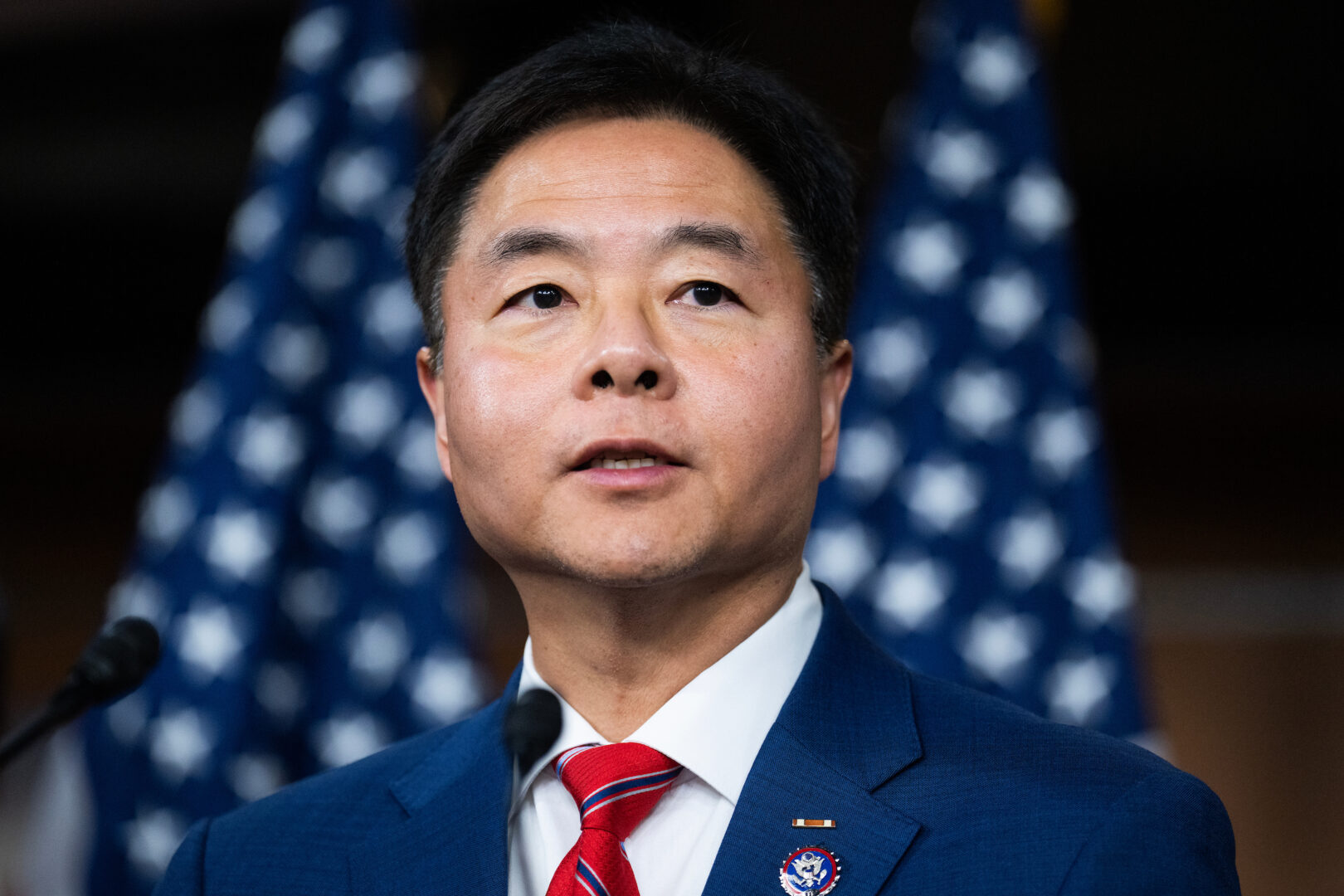
Image via Roll Call
Democrats split over how fast — and how hard — to regulate AI
Democrats in Congress are increasingly divided over the urgency and shape of AI regulation, even as the party works to assemble a policy agenda ahead of the midterm elections. Roll Call reports that California Rep. Ted Lieu is serving on a House Democrats panel examining potential AI proposals, reflecting a push from some lawmakers to move quickly on safeguards.
The divide is partly philosophical and partly practical. One faction argues that rapid deployment of generative AI and automated decision systems demands swift rules on transparency, liability, data use, and civil-rights protections — especially as tools reach schools, hiring, finance, and government services. Another faction worries that a rush to regulate could lock in today’s assumptions, burden startups, and hand an advantage to large incumbents that can afford compliance.
There’s also a strategic tension: Democrats want guardrails but don’t want to be seen as the party that slows innovation — particularly while China and other competitors accelerate development. The likely landing zone, at least in the near term, is narrower than sweeping regulation: targeted measures on election deepfakes, consumer disclosure, federal procurement standards, and sector-specific rules, with bigger fights over liability and preemption still ahead.
Source: Roll Call
Read the full story at Roll Call →
That’s the file for today. We’ll be watching how primary-night vulnerabilities turn into general-election messaging, whether energy prices keep inflation sticky, and whether AI policy coalesces into real legislation or stays stuck as a campaign talking point.
— Brief Updates Editorial