Today’s Sponsor
While other sectors stall, AI investment is accelerating — showing up in earnings calls, corporate budgets, and real-world deployment. Capital is quietly concentrating around companies with clear demand and long-term relevance, and selective opportunities are forming right now.
A new research brief identifies 2 AI stocks trading under $15 that may be positioned for the next phase of growth — including key developments that could move these names in the months ahead.
Get the Free AI Stocks ReportBy following the link above, you're choosing to opt in to receive insightful updates from Investing Ideas Daily + 2 free bonus subscriptions! Your privacy is important to us. You can unsubscribe anytime. See our privacy policy for details.

Friday, July 3, 2026 — Wishing you a safe and happy Fourth of July. Here’s what matters heading into the holiday weekend, with the context and implications that often get lost in the noise.

Image via Axios
A Lobby Exhibit Puts 47 Presidencies Under One Roof as America Nears 250
A new portrait exhibit in the lobby of Goldman Sachs’ global headquarters in New York City is bringing the sweep of U.S. political history into a corporate space: 47 presidencies across America’s 250 years, served by 45 men. The display aims to make the presidency feel less like a distant timeline and more like a continuous, lived narrative—one administration flowing into the next, with the office changing as the country changes.
The timing is the point. With the nation approaching its semiquincentennial, institutions across the country are looking for ways to frame America’s story without turning it into either a pep rally or a courtroom drama. The exhibit’s setting also speaks to a modern reality: civic memory is increasingly curated by private-sector venues as much as public museums, which raises familiar questions about accessibility and about who gets to shape the presentation of national identity.
Axios notes the organizing hook—47 presidencies, 45 men—underscoring the historical continuity and the obvious gaps in representation. As 2026 commemorations ramp up, exhibits like this will likely multiply, and the most successful ones will be those that can educate without preaching and acknowledge complexity without flattening it.
Read the full story at Axios →

Image via The Hill
Iran Signals It Will Retaliate if Interim Deal Isn’t Fully Carried Out
Iran’s parliament speaker, Mohammad Bagher Ghalibaf, is warning that Tehran will respond if the U.S. and Israel breach what he describes as an interim peace deal—and he emphasized that Iran expects “full implementation.” The message is classic deterrence signaling: Tehran wants to raise the cost of perceived noncompliance while framing itself as the party adhering to terms, a posture aimed as much at domestic audiences and regional partners as at Washington.
The Hill reports the warning as Iran prepares to bury senior figures—an internal moment that can harden public sentiment and narrow the political space for restraint. In practice, statements like this often serve two purposes at once: they threaten escalation while also setting a rhetorical predicate for future actions if events turn against Iran’s expectations.
For U.S. policymakers, the immediate challenge is managing verification and enforcement without letting disputes over implementation become the spark for a broader cycle of retaliation. For Israel, the calculation tends to run through a tighter lens—credible prevention and rapid response—meaning any perceived ambiguity in the deal’s terms or timelines can become operationally significant.
Read the full story at The Hill →
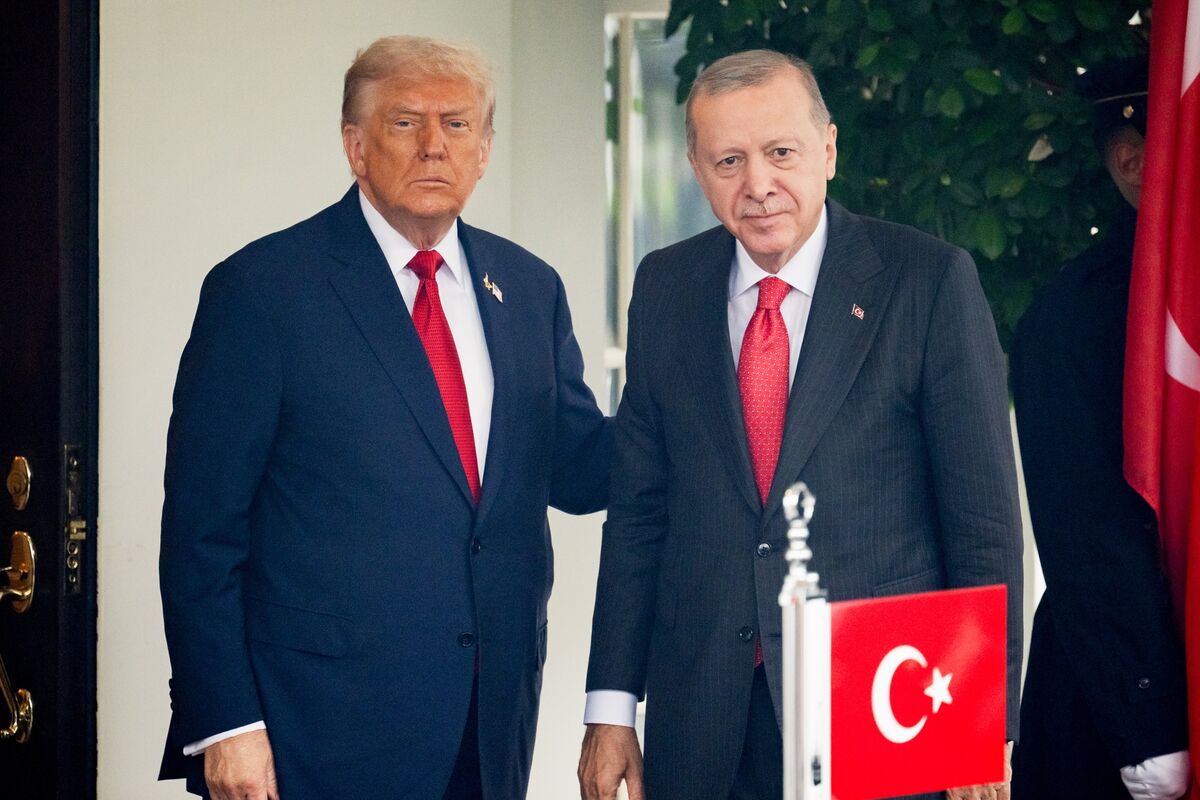
Image via Bloomberg
NATO Heads to Ankara Still Arguing Over the Words That Will Define the Summit
NATO allies are struggling to coalesce around a joint statement ahead of a gathering in Ankara, a reminder that alliance politics often hinge on language long before they hinge on troop movements. Bloomberg reports that members have been wrangling over the summit declaration—an outcome document that, on paper, is symbolic, but in reality sets expectations on spending, posture, and priorities.
These negotiations matter because NATO statements are read like contracts: adversaries look for daylight, allies look for assurances, and domestic audiences look for commitments leaders can defend back home. When consensus is hard, it usually means members are weighing different threat perceptions and different political constraints—especially on budgets, escalation risks, and how directly to name specific countries or contingencies.
The closer the summit gets, the more likely diplomats will split the difference with carefully engineered phrasing. But the fact that it’s hard this time is itself information: it suggests a genuine debate over strategic emphasis, and it increases the odds that the alliance will leave Ankara with unity in broad strokes but less clarity than many would prefer on implementation.
Read the full story at Bloomberg →
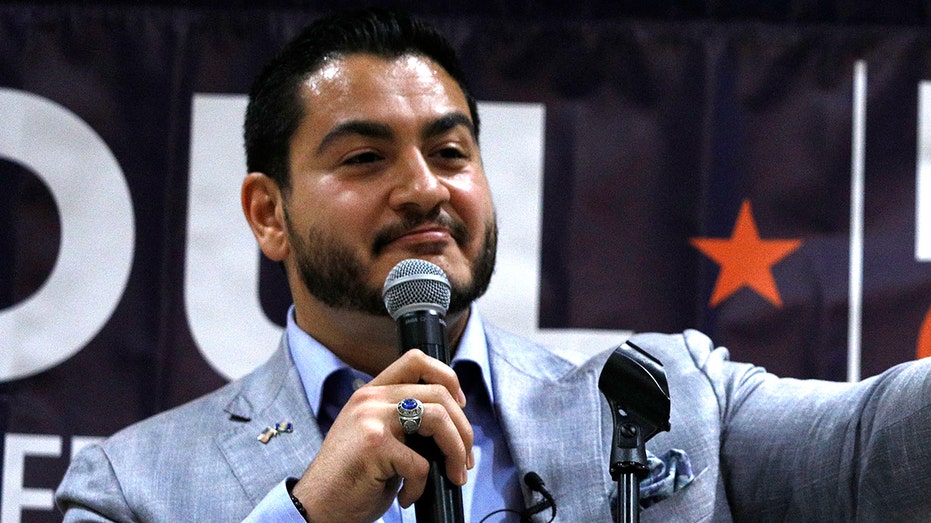
Image via Fox News
Michigan Democratic Senate Hopeful Faces Scrutiny Over Past Prison-Abolition Remarks
Fox News reports that Abdul El-Sayed, a Democratic Senate candidate in Michigan, is drawing renewed attention for comments made during a 2020 webinar in which he discussed decarceration and abolishing prisons. The resurfaced remarks are now becoming campaign material—especially in a race where public safety, fentanyl, and crime policy are likely to be heavily litigated.
The political vulnerability is straightforward: “abolish prisons” is a phrase that many voters interpret literally, regardless of whether the speaker intended it as a long-term reimagining of the justice system or as a critique of incarceration levels and conditions. Opponents will treat it as evidence of ideological extremity, while supporters may argue it reflects an attempt to address mass incarceration and its social costs.
The broader context is that criminal-justice politics have shifted since 2020. Reform remains popular in specific forms—rehabilitation, mental-health diversion, reentry support—but slogans that sound like abolition or blanket release tend to poll poorly. If El-Sayed’s campaign can’t clearly define what he meant and what he’d actually do, this will be an easy line of attack in a state where swing voters often decide statewide outcomes.
Read the full story at Fox News →
Extreme Heat Puts Power Grids on Alert and Complicates July 4 Travel
A sprawling heat wave is raising concerns about U.S. power-grid reliability and complicating July 4 travel during one of the busiest weeks of the year. CNBC reports utilities and grid operators are bracing for high electricity demand as air-conditioning loads surge—conditions that can expose weak points in generation, transmission, and local distribution, particularly during late-afternoon peaks.
The travel angle is not just about discomfort. Extreme heat can ripple into delays through equipment stress—aircraft performance constraints in hot air, runway and infrastructure strain, and mechanical failures that become more likely as temperatures climb. On the road, breakdowns and medical emergencies increase, while EV charging demand can rise alongside home and commercial electricity consumption.
The big picture is that heat is becoming a repeat stress test rather than an occasional anomaly. Grid managers have improved forecasting and demand-response tools, but sustained, widespread heat leaves less room for error—especially if outages cascade from a single weak link. For consumers, the practical takeaway is to plan for delays, watch local utility alerts, and treat conservation requests as a reliability tool, not a political statement.
Thanks for reading Brief Updates. If you’re on the road this weekend, travel smart, stay hydrated, and have a safe and happy Fourth of July.
— Brief Updates Editorial