Today’s Sponsor
One oil market disruption can trigger a chain reaction — tighter supply, shifting routes, and producers scrambling to adapt. Our research team has pinpointed 3 energy stocks uniquely positioned to benefit from this ripple effect, and each one has a distinct edge as the global energy landscape shifts.
These aren't just bets on higher oil prices. Inside Trading the Oil Supply Shock: Top 3 Energy Stocks Emerging From Global Supply Disruptions, we break down exactly what makes each company stand out — and why now could be the moment to pay attention.
Get the Free ReportBy clicking the link above, you're opting in to receive valuable updates from The Investor Newsletter Daily plus 2 bonus subscriptions. Your privacy is important to us. You can unsubscribe anytime. See our privacy policy for details.

From a troubling halt in Tennessee’s death chamber to tech’s push to relabel AI as "superintelligence," today’s developments raise hard questions about competence, accountability, and what institutions do when public trust is fraying.

Image via ABC News
Tennessee execution paused after witnesses report botched attempt; Christa Pike appears to survive
A Tennessee execution attempt involving death row inmate Christa Pike was paused after witnesses described a chaotic, potentially botched process in which Pike appeared to survive, according to reporting on the incident. The case is drawing renewed scrutiny to execution protocols, medical oversight, and the state’s readiness to carry out capital punishment without avoidable suffering.
Pike, 50, was sentenced to death for the 1995 murder of 19-year-old Colleen Slemmer. While legal fights over execution methods are routine nationwide, episodes like this intensify pressure on state corrections departments, invite emergency litigation, and create a public record that can shape future court rulings and policy debates.
If the witness accounts are borne out, the fallout could extend beyond Pike’s case, including internal investigations, potential procedural changes, and broader arguments that the death penalty is administered unevenly and sometimes incompetently. Supporters of capital punishment argue failures should lead to better procedures, not abolition; opponents argue the risk of error and cruelty is inherent.
✓ The Bottom Line: Whatever one’s view of capital punishment, an execution that appears to go sideways is a government competence failure of the highest order. The state owes the public a full, documented accounting of what happened, who was responsible, and what safeguards failed. If Tennessee cannot carry out its own chosen sentence reliably and humanely under law, it has an obligation to pause and fix the system before attempting again.
📎 ABC News
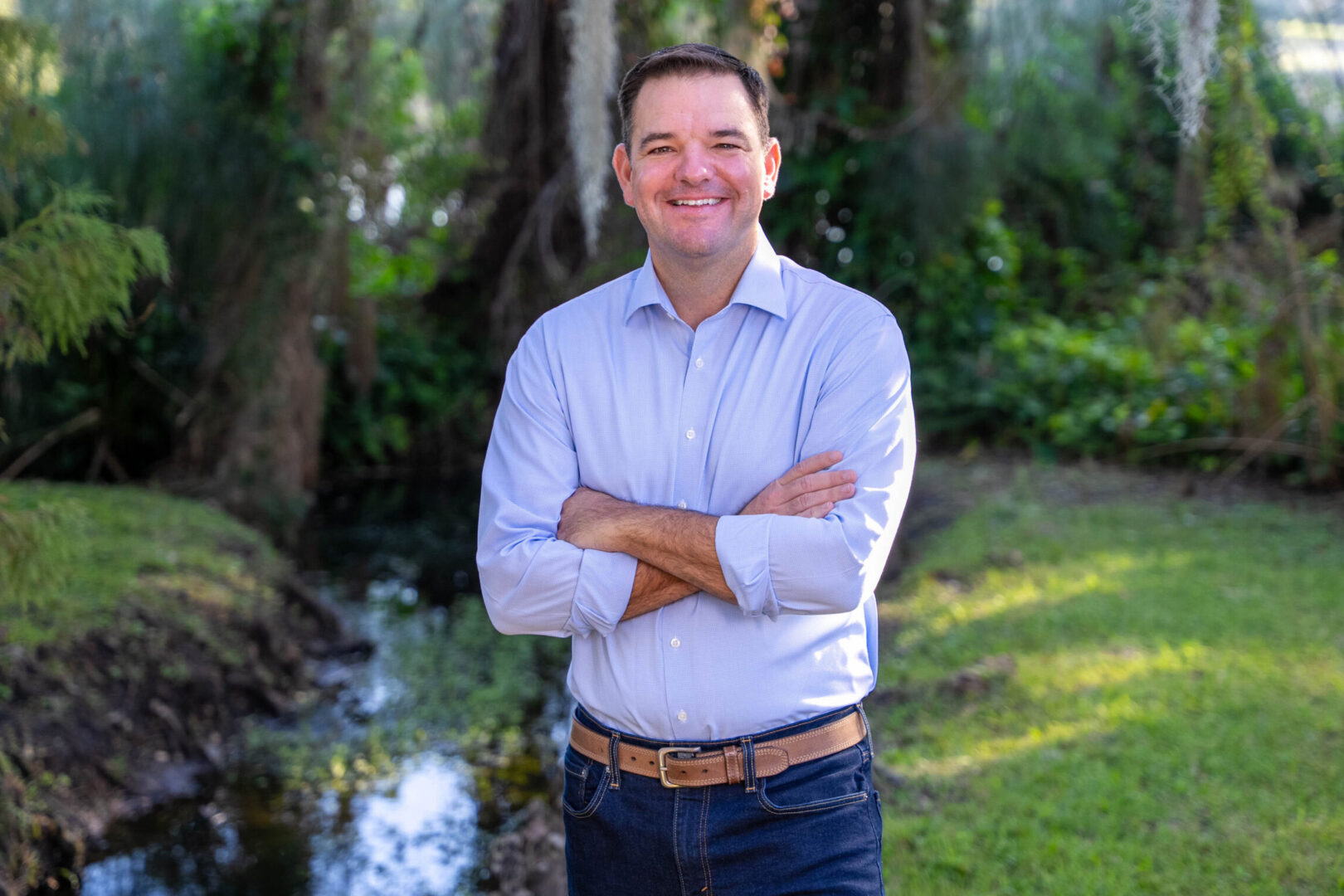
Image via Roll Call
Florida Democrat Bale Dalton rolls out anticorruption plan for swing-district race
Bale Dalton, a former NASA chief of staff and the Democratic nominee for Florida’s 7th District, is the latest candidate to release an anticorruption platform, positioning ethics reform as both a governance pitch and a campaign differentiator. The plan arrives as both parties compete to look tough on insider dealing, lobbying influence, and the perception that Washington’s rules favor the connected.
Anticorruption proposals tend to include familiar elements: tightening stock trading rules for lawmakers, limiting the revolving door, increasing transparency for campaign and outside money, and strengthening enforcement capacity. Candidates also use these plans to signal seriousness to donors and independents, even though the hardest part is rarely drafting a plan; it’s getting majorities to accept constraints that apply to themselves.
In a district-level race, the strategy is straightforward: ethics is a safe “permission structure” issue for persuadable voters who may not love either party’s national brand. The tradeoff is that broad ethics promises can sound generic unless a candidate specifies what they would vote for, what they would oppose, and how they’d prioritize reforms when party leadership pressures mount.
✓ The Bottom Line: Ethics reform is one of the few areas where voters’ cynicism is earned, and candidates should be pressed for specifics rather than slogans. The most credible signal isn’t another task force; it’s enforceable rules with real penalties, especially on member stock trading and the revolving door. If Dalton wants this to land, he should commit to a short list of votes he’ll take even when his own party dislikes them.

Image via Axios
Trump and tech CEOs try to rebrand AI as "superintelligence" amid growing backlash
A political and corporate rebranding campaign is picking up steam, with President Trump and major tech figures pushing an alternative label for artificial intelligence: “superintelligence,” or SI. The shift reflects a belief that “AI” has turned into a politically and culturally loaded term, associated with job displacement, misinformation, opaque algorithms, and fears of runaway systems.
The messaging effort aims to separate the promised upside of frontier computing from the baggage of recent controversies. Tech leaders want a friendlier banner for capital investment, government procurement, and consumer trust, while politicians want an innovation story that feels pro-growth and pro-competitiveness, especially against China, without taking on the full blast radius of AI’s downsides.
But changing the label doesn’t change the underlying policy fights: liability for harms, transparency and auditing, copyright and training data, national security controls, and the labor market shock that automation could accelerate. If anything, calling it “superintelligence” could raise expectations and alarm simultaneously, suggesting a leap beyond today’s systems before the governance framework is settled.
✓ The Bottom Line: Rebranding is not regulation, and it’s not a substitute for proving safety, reliability, and accountability in the real world. If the industry wants public trust, it should welcome clear standards for testing, disclosure, and liability rather than betting on a new acronym. Calling it “superintelligence” may sell stock stories, but it also invites harder questions about control, security, and who bears the risk when things break.
📎 Axios

Image via MarketWatch
Google’s first space-based AI data center signals a new front in the energy squeeze
Google is moving toward deploying its first AI-focused data center in space, a step that underscores how severe the power and cooling constraints have become for high-density computing on Earth. The idea is simple in concept and daunting in execution: put compute infrastructure in orbit where solar energy is abundant and heat can be managed differently, potentially reducing strain on terrestrial grids.
Orbital data centers are still experimental, facing major hurdles in launch cost, maintenance, radiation hardening, latency, and end-of-life disposal. Yet the fact that major players are exploring the concept shows how quickly AI demand is colliding with physical limits, from electricity generation to local permitting fights over water use and transmission capacity.
If this direction matures, it could reshape the geopolitics of compute and the economics of cloud infrastructure. It also raises regulatory and security questions: who governs critical digital infrastructure in orbit, how it’s protected, and how to prevent space from becoming a dumping ground for short-lived hardware.
✓ The Bottom Line: The space-data-center push is an impressive engineering ambition, but it’s also an implicit admission that we’ve underbuilt energy and transmission on Earth for the digital economy we actually have. The better near-term answer is faster permitting for generation and grids, plus realistic pricing of energy and reliability, not escapism into orbit. Still, if orbit can reduce land-use conflict and grid pressure, policymakers should start setting clear rules now rather than reacting later.

Image via Investing.com
KeyBank taps Mike Keane as COO of Key Wealth as banks compete for advisory growth
KeyBank has named Mike Keane chief operating officer of its Key Wealth division, a leadership move that highlights how traditional banks are leaning harder into wealth management for steadier fee income. As net interest margins fluctuate and deposit competition remains intense, advisory and planning businesses are attractive for their stickier client relationships and cross-selling potential.
COO appointments in wealth units typically signal a focus on execution: integrating platforms, improving client onboarding, tightening compliance, and making advisors more productive with better technology and service models. They also reflect the industry’s constant balancing act between growth and risk control, particularly as regulators keep a close eye on sales practices, suitability, and cybersecurity.
For clients, these moves matter less as a headline and more in outcomes: service consistency, product transparency, and whether the institution can deliver a modern digital experience without turning advice into a call-center commodity. The wealth business is increasingly a scale game, but trust still hinges on how well firms handle the basics.
✓ The Bottom Line: A COO hire is only meaningful if it translates into simpler, safer, and more transparent client experience, not just internal reshuffling. Wealth management can be a stable growth engine for banks, but only when compliance and fiduciary-like discipline are treated as core operations, not marketing. KeyBank’s opportunity here is to prove it can scale advice without sacrificing oversight or turning clients into products.
That’s the file for Thursday. We’ll keep an eye on the Tennessee investigation, the next round of ethics proposals that actually have votes behind them, and whether AI’s rebrand comes with real accountability.
— Brief Updates Editorial