Today’s Sponsor
One CEO just put $19 million of his own money into his company's stock — on the open market, reported to the SEC, fully verifiable. He's not alone. While most investors watched headlines, a handful of CEOs were quietly making seven-figure bets on their own companies. We dug through SEC Form 4 filings and verified the largest CEO stock purchases of 2026 — real names, real dollar amounts, real dates, every one linked to the actual filing so you can check it yourself.
The free report includes six confirmed purchases, the CEO who bought his own stock five separate times this year, and the small-cap insider buying aggressively while his stock was getting crushed. No rumors. No vague teasers. Just the paper trail insiders are legally required to leave behind — and what it could mean for your next trade.
Get the Free Report Now →Clicking the link above subscribes you to future messages from Equiscreen, LLC and provides instant access to two additional bonus subscriptions from our marketing partners. Unsubscribe anytime. View Privacy Policy.

Tuesday brings a sharp reminder that hard power still shapes markets and diplomacy: a U.S.-Iran incident at sea, renewed scrutiny of leadership and spending at the FBI, fraying trust in U.S.-China ties ahead of a major visit, a high-profile AI moment in presidential politics, and North Korea’s push to move nuclear leverage offshore.
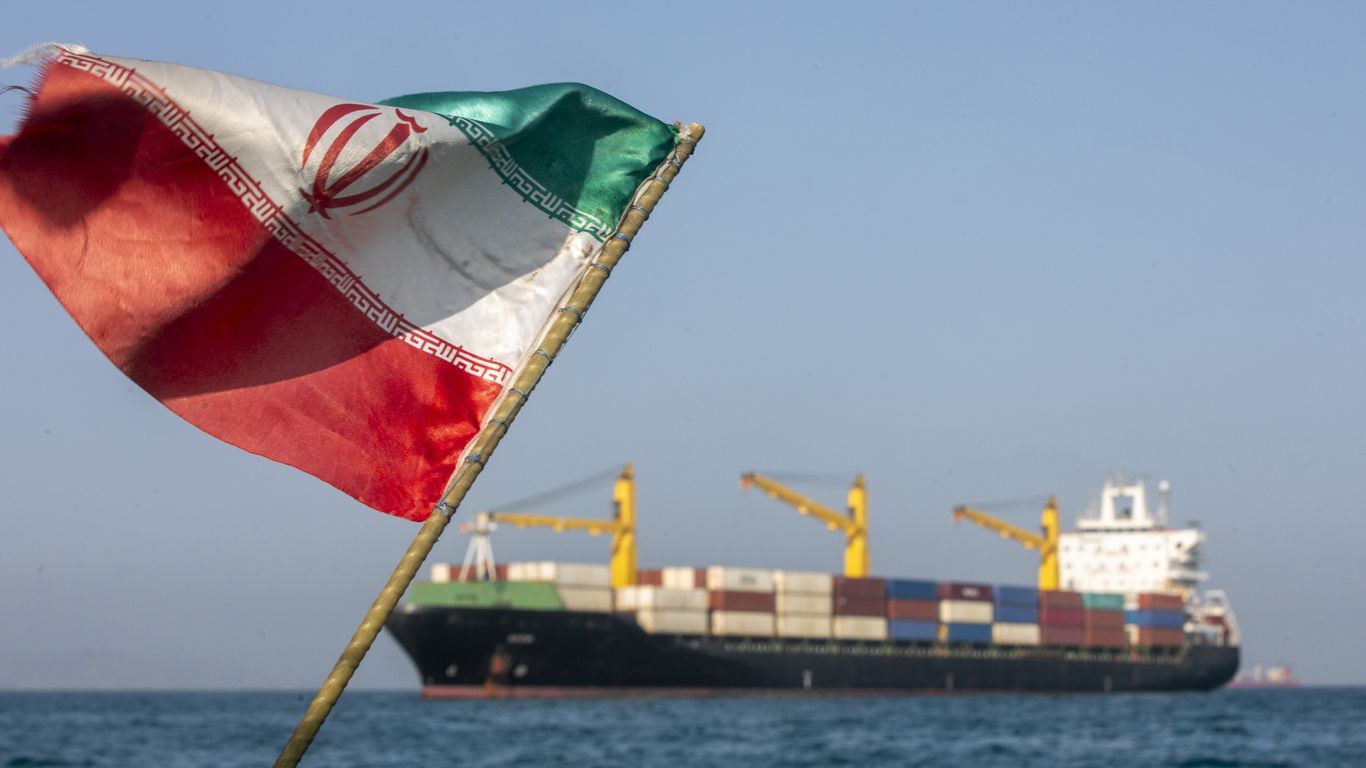
Image via Axios
U.S. destroys Iranian boats after attempted seizure of Navy drone in Strait of Hormuz
U.S. forces destroyed two Iranian small boats on Monday after Islamic Revolutionary Guard Corps-linked vessels allegedly tried to seize a U.S. Navy drone operating in the Strait of Hormuz, according to U.S. officials cited by Axios. The incident underscores how quickly routine surveillance can turn into a kinetic exchange in one of the world’s most economically sensitive waterways.
The Strait of Hormuz remains a pressure point because it compresses military signaling, energy flows, and domestic politics into a narrow channel where miscalculation is easy and de-escalation is hard. Even limited engagements can ripple into insurance rates, shipping behavior, and broader deterrence messaging, especially if Tehran believes it can test red lines without paying a meaningful price.
Washington’s challenge is keeping the message crisp: defensive action to protect U.S. assets and freedom of navigation, not a pretext for escalation. Tehran’s likely counter-message is that it is policing its near-abroad and responding to perceived provocation. Both narratives can coexist, but the facts that matter most are whether U.S. platforms can operate unimpeded and whether Iran concludes that “grab and go” tactics are worth the risk.
✓ The Bottom Line: If the reported facts hold, the U.S. response looks proportionate and strategically necessary: let seizures become routine and you invite more of them. The bigger risk is not Monday’s exchange but normalization of these confrontations until one goes sideways and triggers a wider crisis. The administration should pair firm rules of engagement with clear, public evidence whenever possible, to reduce room for propaganda and keep allies aligned.
📎 Axios

Image via The Hill
Kash Patel faces Senate heat over travel and luxury armored BMWs at the FBI
FBI Director Kash Patel defended his travel and the bureau’s acquisition of several luxury armored BMWs ahead of a Senate hearing, as scrutiny builds over whether the spending and optics match the agency’s mission and public expectations, according to The Hill. The controversy lands at a moment when trust in federal law enforcement is already strained and congressional oversight is increasingly adversarial.
On the merits, senior leaders travel, and armored vehicles are not inherently scandalous; threat environments are real, and protective requirements can be legitimate. But procurement choices matter, especially when they appear to prioritize prestige over necessity, and when the bureau’s leadership is asking the public and Congress to accept expanded authorities, budgets, or operational discretion.
The political problem is that “process” stories become “integrity” stories fast. Even if the spending is defensible under procurement rules, the FBI must show it can manage taxpayer dollars with restraint and discipline, because credibility is operational capital for an agency that relies on cooperation from state partners, private industry, and communities.
✓ The Bottom Line: The FBI doesn’t get graded only on legality; it gets graded on judgment. If there was a cost-effective security option that didn’t scream luxury, that’s the option leadership should have chosen. Patel should come armed with transparent cost comparisons, threat assessments, and a clear explanation of who approved what and why—because the bureau cannot afford self-inflicted credibility losses.
📎 The Hill
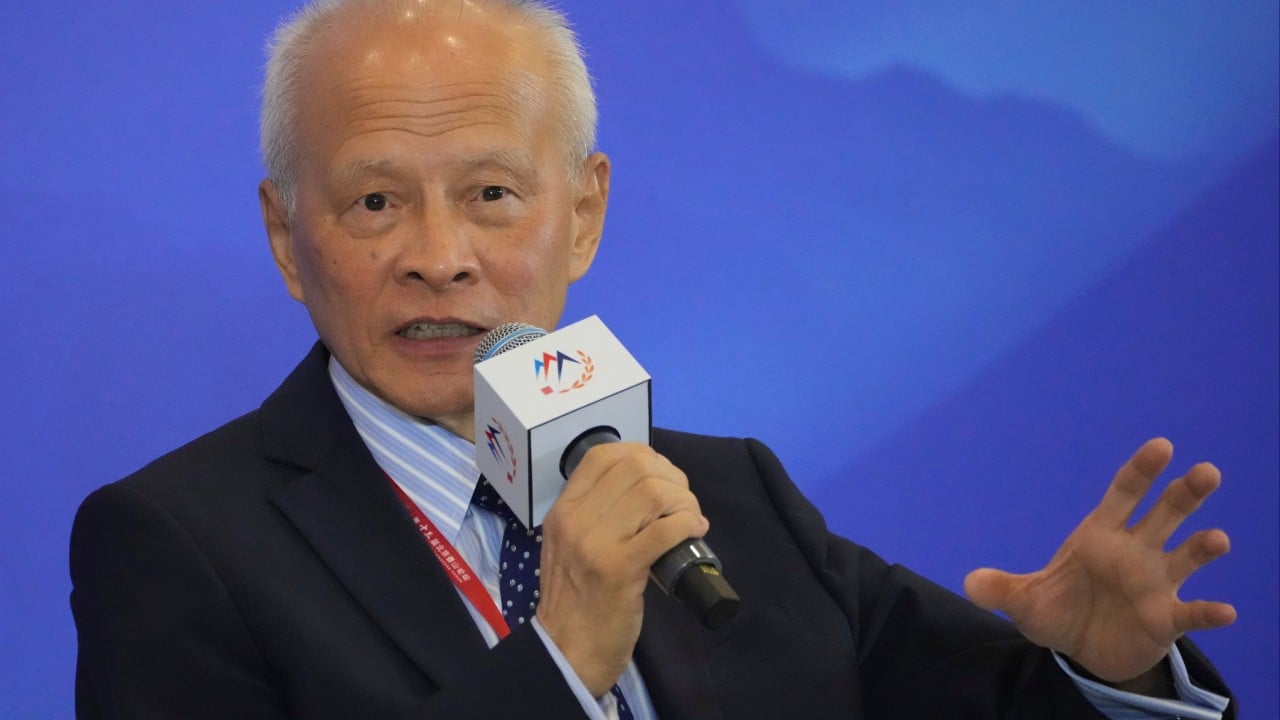
Image via South China Morning Post
Beijing forum underscores the core U.S.-China problem: trust deficit ahead of Xi’s U.S. trip
A major security forum in Beijing highlighted what has become the central obstacle in U.S.-China relations: a lack of mutual trust and confidence, according to the South China Morning Post. The warning comes just ahead of President Xi Jinping’s expected travel to the United States for his first state visit in years, raising expectations for headline agreements while skepticism persists about follow-through.
The trust gap is not abstract; it shows up in crisis communications, military-to-military channels, export controls, technology restrictions, and competing security postures in the Indo-Pacific. Even when both sides say they want “guardrails,” each suspects the other is using dialogue to buy time, gather intelligence, or constrain the other’s freedom of action.
For Washington, the priority will likely be narrowing the risk of accidents and signaling firmness on core interests without collapsing into performative hostility. For Beijing, the priority is reducing economic pressure, constraining U.S. alliances, and expanding strategic space—often while rejecting constraints it views as one-sided. The result is diplomacy that can produce meetings and communiqués, yet still leave the underlying trajectory largely unchanged.
✓ The Bottom Line: The forum’s diagnosis is correct: trust is low because incentives and actions don’t match the rhetoric. The U.S. should pursue practical risk-reduction measures, but not trade away leverage or clarity about security commitments in exchange for photo ops. Any progress should be measured by verifiable behavior—especially in military signaling and economic coercion—not by the warmth of the summit language.
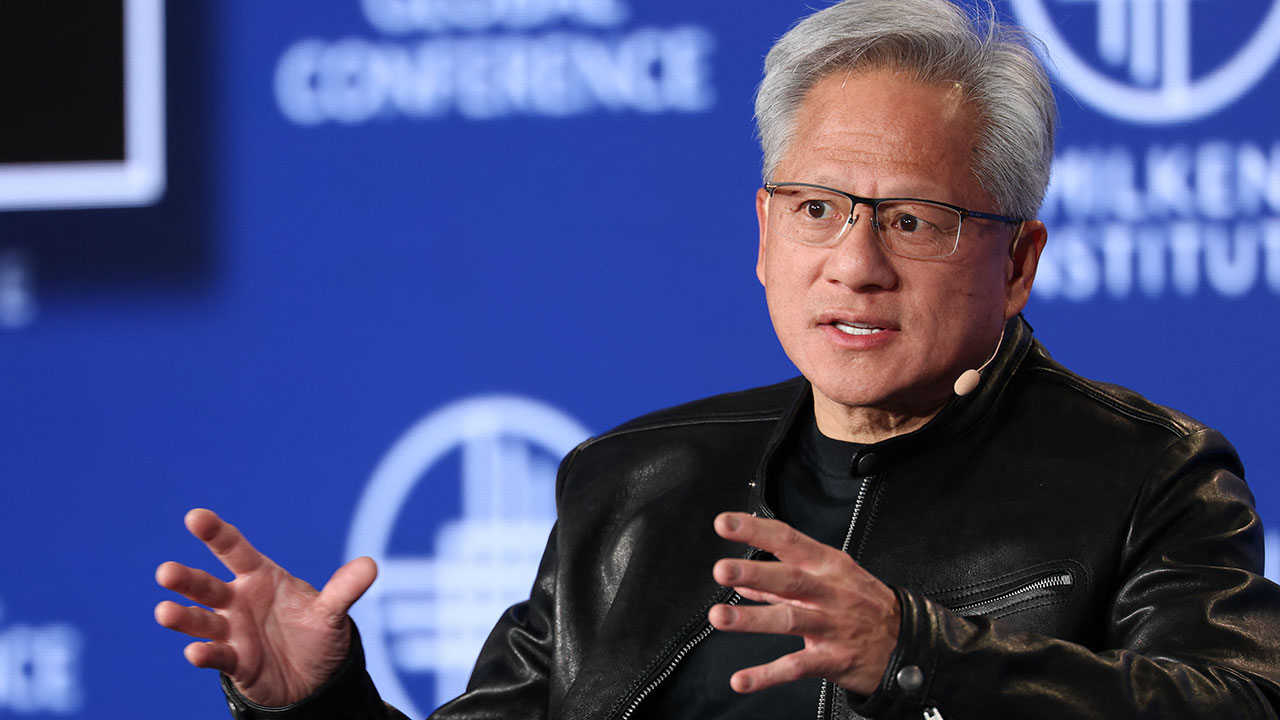
Image via Fox Business
Trump’s call with Nvidia’s Jensen Huang spotlights a widening political split over AI risk
President Trump called Nvidia CEO Jensen Huang during a summit and dismissed fears about artificial intelligence as a “hoax,” Fox Business reported, injecting presidential politics directly into an already heated debate within Silicon Valley and Washington over whether AI development should slow down for safety reasons. The moment is notable because Nvidia sits at the center of the AI buildout, powering much of the compute behind today’s most advanced models.
The policy argument is real: overregulation could slow innovation and push investment offshore, while underregulation could leave the public exposed to fraud, surveillance abuse, labor disruption, and genuine safety hazards as systems become more capable. The national security layer complicates everything further, because the U.S. wants to stay ahead of adversaries, but also wants to prevent reckless deployment at home.
Labeling concerns a “hoax” may play well politically, but it collides with the practical reality that AI risk is not a single issue. Some risks are immediate and measurable—scams, deepfakes, data leakage—while others are longer-term and harder to quantify. Serious governance should separate hype from harm, and focus on enforceable standards where the evidence is strongest.
✓ The Bottom Line: AI fear is not a hoax, but AI panic isn’t policy either. The sensible path is pro-innovation with targeted guardrails: security benchmarks for frontier systems, liability for negligent deployment, and aggressive enforcement against fraud and impersonation. If political leaders turn this into a binary culture war, the winners will be bad actors and geopolitical competitors, not American consumers or workers.
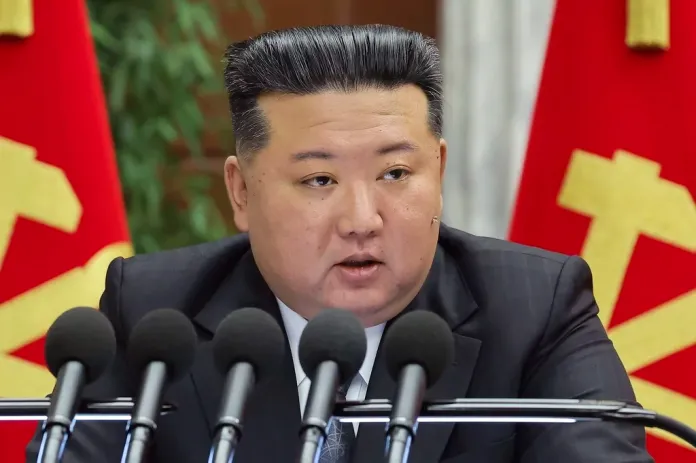
Image via Washington Examiner
North Korea’s nuclear messaging shifts seaward, raising the stakes for regional defense
North Korea is increasingly signaling that its nuclear threat is not limited to land-based missiles, but could extend into the maritime domain, the Washington Examiner argues. The strategic point is straightforward: a survivable, sea-based nuclear capability—whether via submarines, underwater drones, or ship-launched systems—can complicate detection, shorten warning times, and stress allied missile defense planning.
Even if Pyongyang’s sea-based capabilities remain limited or unreliable, the direction of travel matters. North Korea often uses incremental demonstrations to create psychological pressure and bargaining leverage, while forcing South Korea, Japan, and the United States to spend more on tracking, anti-submarine warfare, and layered defenses.
The operational reality is that maritime nuclear signaling is inherently destabilizing in crowded waters with frequent military activity. It increases the risk of misinterpretation and raises uncomfortable questions about preemption, escalation control, and crisis communications in a region where tensions are already elevated.
✓ The Bottom Line: Allies should treat North Korea’s seaward nuclear ambitions as a planning problem now, not a panic problem later. The right response is steady investment in detection and tracking, tighter trilateral coordination, and a clear deterrence posture that doesn’t rely on rhetorical escalation. Pyongyang thrives on ambiguity; the antidote is capability, communication, and allied unity.
That’s the day’s signal through the noise. We’ll be watching for official readouts on the Hormuz incident, the specifics Patel provides under oath, and any concrete deliverables ahead of Xi’s U.S. visit.
— Brief Updates Editorial