Today’s Sponsor
When the U.S. government quietly takes ownership stakes in public companies, stocks don't just move — they explode. One tripled overnight. Another surged 200% before the market opened. A third went public days after a formal government partnership in one of the biggest tech IPOs in years. This isn't speculation — it's in the official filings.
A free report reveals all 24 companies named in the government's official partnership announcement, which ones you can trade right now, plus a bonus list of 5 companies where the government took direct ownership stakes — and exactly how each stock reacted when the deal went public. Straight from the source. Fully verified.
Get the Free Report NowClicking the link above subscribes you to future messages from Equiscreen, LLC and provides instant access to two additional bonus subscriptions from our marketing partners. Unsubscribe anytime. View Privacy Policy

Friday, November 27, 2026: A holiday storm tests infrastructure, Zelensky pressures Washington, scammers exploit AI shopping agents, Beijing tightens party discipline ahead of 2027, and Iraq leans on Chinese drones against ISIS.

Image via ABC News
Thanksgiving storm slams East Coast: wind damage, flooding, and widespread outages
A powerful Thanksgiving storm pushed up the East Coast with damaging winds and heavy rain, tearing off a roof in Maryland and prompting emergency measures as conditions deteriorated. The system brought hazardous travel, downed trees and power lines, and street flooding in multiple communities as the holiday began.
Beyond the immediate damage, the bigger story is compounding risk: saturated ground, wind gusts, and aging distribution lines are a reliable recipe for prolonged outages. With many families on the roads and utilities stretched thin on a major holiday, even “routine” restoration work becomes slower, more expensive, and more dangerous.
Local officials urged residents to limit travel and treat flooded roadways as impassable. Utilities and municipalities moved into response mode as the storm track threatened densely populated corridors where a few broken feeders can cascade into large-scale disruption.
✓ The Bottom Line: Extreme weather is becoming less “unexpected” and more like a predictable stress test we keep failing. The practical fix is not rhetoric about climate versus no climate; it’s hardening the grid, clearing rights-of-way, modernizing drainage, and enforcing building standards that assume higher wind and water loads. Governments should prioritize resilience projects that deliver measurable uptime, not just press conferences.
📎 ABC News

Image via BBC
Zelensky takes aim at the Trump-Putin dynamic and says the West isn’t pressuring Moscow enough
Ukraine’s President Volodymyr Zelensky criticized what he called a “strange” relationship between Donald Trump and Vladimir Putin in an interview, framing it as a political and strategic problem for Kyiv as the war grinds on. He also voiced frustration that the United States and other partners are not pushing Russia hard enough in peace talks, arguing that Moscow has little incentive to negotiate seriously without greater pressure.
Zelensky’s comments land in a tense moment for Ukraine: battlefield realities, ammunition constraints, and war fatigue in parts of the West all shape what kind of settlement is conceivable. Kyiv wants security guarantees and a durable deterrent; Moscow wants leverage, time, and the appearance of legitimacy for territorial gains.
The interview underscores a widening messaging gap. Ukraine is trying to keep Western support anchored to moral clarity and strategic necessity, while many Western voters want an endpoint and are receptive to any promise of “a deal,” even when the terms are vague or unenforceable.
✓ The Bottom Line: Zelensky is right to worry about personality-driven diplomacy that treats Putin like a normal counterpart rather than a revisionist aggressor. Peace talks can be worth pursuing, but only if they’re backed by leverage: sanctions enforcement, military aid with clear goals, and credible long-term security arrangements. A “quick deal” that rewards conquest would not end the war so much as schedule the next one.
📎 BBC
Black Friday warning: AI shopping bots can be nudged toward scam storefronts
As AI shopping agents and automated deal-finders spread, scammers are adapting fast. Reports highlight how fake online stores, increasingly built with AI tools, can appear legitimate enough to fool not only hurried shoppers but also the bots and browser assistants meant to help consumers compare prices and find bargains.
The risk is structural: many AI agents prioritize what looks like relevance, product availability, and persuasive language, while struggling to reliably judge business legitimacy in real time. That can steer users toward newly created domains, copycat brands, or manipulated listings designed to harvest payment details or sell counterfeit goods.
Consumer advocates recommend old-school verification steps that AI can’t fully replace: checking domain age and contact info, validating return policies, using trusted payment methods, and favoring known retailers or marketplaces with strong buyer protections. The convenience layer is improving faster than the safety layer.
✓ The Bottom Line: This is a reminder that AI is an efficiency tool, not a trust machine. Retailers, platforms, and browser-makers should treat verified merchant identity like a baseline feature, not a premium add-on, and regulators should push clearer liability when automated recommendations facilitate fraud. Until then, shoppers should assume the bot can help find a price, but it can’t guarantee a seller.
📎 CBS News
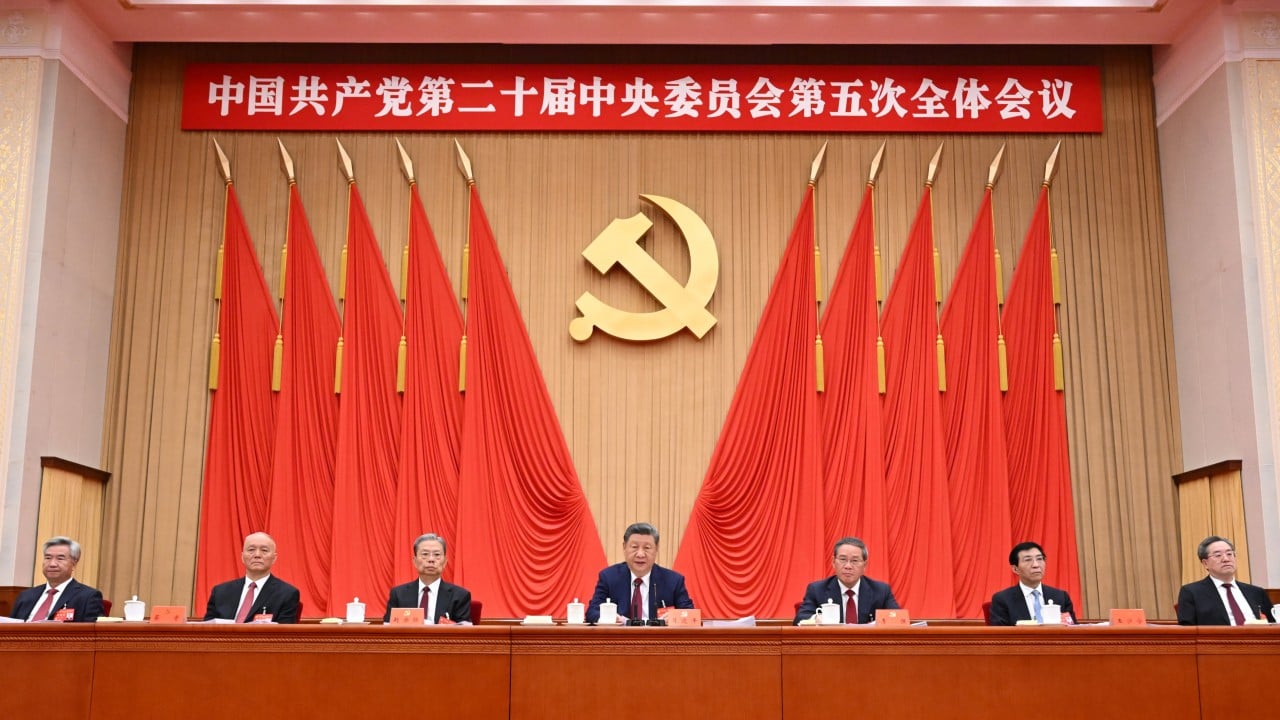
Image via South China Morning Post
Beijing’s discipline push signals stricter screening ahead of the 2027 party congress
China’s leadership is signaling that political discipline and internal controls will be central themes heading into the next major political cycle. A newly released supplementary reading tied to party deliberations offers clues about priorities likely to shape personnel decisions and policy direction ahead of the 2027 congress, including tighter vetting and stronger emphasis on adherence to central directives.
The discipline apparatus has long served multiple functions: anti-corruption enforcement, ideological alignment, and internal power management. What’s notable is the continued institutionalization of these tools as governance, implying that political reliability is being treated as inseparable from competence.
For markets and foreign governments, the implication is a China that may become more risk-averse internally and more centralized in decision-making. That can improve message discipline and reduce bureaucratic freelancing, but it can also discourage candid feedback and heighten policy rigidity at a time when China faces economic and demographic headwinds.
✓ The Bottom Line: Anti-corruption is popular and sometimes necessary, but discipline campaigns in highly centralized systems often double as loyalty filters. The more advancement depends on political conformity, the harder it is to surface bad news early and correct mistakes quickly. Investors and policymakers should plan for a China that is more controlled, less transparent, and potentially more abrupt when it pivots.

Image via Forbes
Iraq resumes Chinese drone strikes as it keeps pressure on Islamic State remnants
Iraq has put Chinese-made CH-5 drones back to work against Islamic State targets, using them for reconnaissance and intermittent strike missions. The renewed use reflects a practical calculus: persistent counterterror operations require eyes in the sky and a strike option that can be deployed without the political complications of larger foreign footprints.
The decision also highlights Baghdad’s diversified security partnerships. While Iraq has long relied on U.S.-linked training, intelligence support, and coalition cooperation, Chinese systems offer a separate supply chain and, often, fewer political conditions attached to procurement and use.
Operationally, drones can be effective against dispersed insurgent networks, but they are not a strategy by themselves. The long-term challenge remains governance, border control, and intelligence fusion across agencies, especially in rural areas where ISIS cells can exploit gaps in security and local trust.
✓ The Bottom Line: Using drones to keep ISIS under pressure is sensible, and Iraq should use every tool that improves surveillance and response time. But hardware choices come with downstream costs: training pipelines, maintenance dependence, and data-security concerns, especially as Iraq balances relationships with Washington, Tehran, and Beijing. Baghdad’s best outcome is capability without capture—building an accountable, interoperable system that doesn’t lock the country into any single patron.
📎 Forbes
That’s the brief: weather stress tests at home, hard leverage questions abroad, and a reminder that new tech conveniences still demand old-fashioned skepticism.
— Brief Updates Editorial