Today’s Sponsor
Get ahead of Wall Street with Elite Trade Club's free 5-minute morning brief. Over 170,000 readers rely on it for market-moving stories in plain English, key numbers to watch, and SMS alerts delivered straight to your phone before the bell rings.
Sign up today and unlock exclusive partner insights — handpicked opportunities designed to give you an extra edge. Completely free, one-click signup gets you started instantly.
Get the Free Market BriefBy clicking the link, you agree to join Elite Trade Club emails and unlock complimentary insights from select partners. Privacy Policy

House Speaker Mike Johnson heads into a high-pressure stretch before recess with three consequential items colliding: a surveillance reauthorization fight tied to FISA, a farm bill push, and a Department of Homeland Security-related vote package.
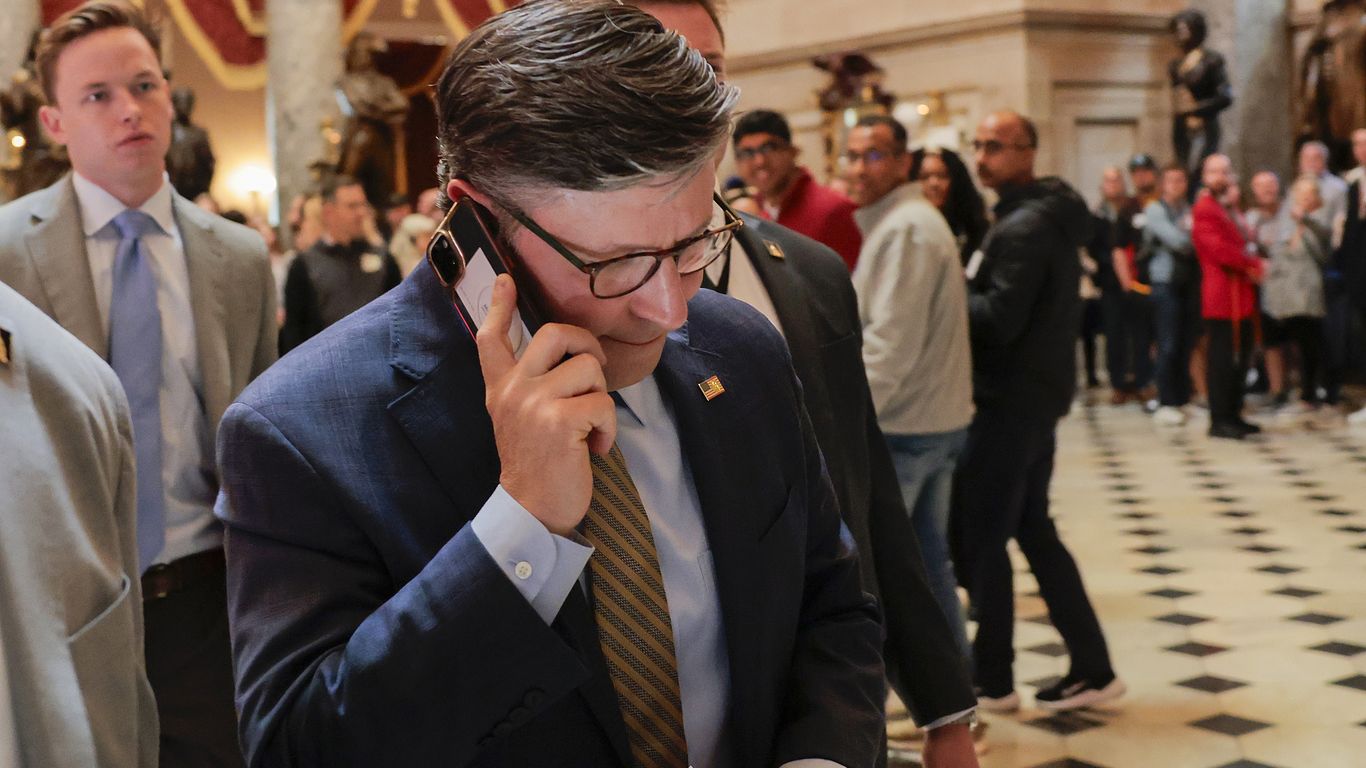
Image via Axios
Johnson’s “Hell Week”: Three Big Votes, One Thin Majority
House Speaker Mike Johnson heads into a high-pressure stretch before recess with three consequential items colliding: a surveillance reauthorization fight tied to FISA, a farm bill push, and a Department of Homeland Security-related vote package. The problem isn’t simply the calendar—it’s that Johnson’s conference is splintering into blocs that will not reliably move together, forcing him to choose between alienating conservatives, leaning on Democrats, or watching major priorities stall.
What makes the week especially combustible is the degree to which some House Republicans appear willing to defy former President Donald Trump’s preferences on specific tactics and timing, even if they share many of his policy goals. That dynamic leaves Johnson with fewer predictable “whip” levers: Trump’s endorsement pressure doesn’t unify the conference the way it often has, and Johnson’s own margin for error remains razor-thin. With each vote potentially requiring a different coalition, the Speaker’s central challenge is procedural as much as ideological—figuring out what can pass, in what order, and with which votes, without triggering backlash that derails the rest.
Read the full story at Axios →

Image via Fox News
FCC Router Rule: Security Screening Now, Update Headaches Later
The FCC’s new router policy is framed around national security—tightening how certain internet-connected devices are approved for use in the U.S. market, particularly where supply-chain and foreign influence concerns arise. The rule aims to prevent risky hardware from entering networks in the first place, reflecting a broader federal posture that treats consumer connectivity gear as critical infrastructure-adjacent.
But critics and industry watchers are warning that the bigger practical vulnerability may be what happens after a router is sold: long-term software and firmware updates. If policies emphasize initial approval while leaving uneven incentives or requirements for ongoing patch support, consumers and small businesses could end up with “approved” devices that become insecure over time. The debate now is whether the FCC will pair front-end screening with clearer expectations for update lifecycles—or whether security will remain mostly a point-in-time compliance exercise.
Read the full story at Fox News →

Image via ABC News
Tornadoes Hit the Plains: Powerful Storm Cuts Through Northwest Oklahoma
Severe storms swept across the central U.S. Thursday night, with more than a dozen tornadoes reported and one notably powerful tornado captured ripping through northwestern Oklahoma. Videos showed intense winds and debris fields as the system moved across the Plains, underscoring how quickly conditions can escalate during spring storm season.
Emergency managers across the region monitored multiple warnings as the outbreak unfolded, and the overnight timing added risk for residents who may be asleep when warnings are issued. With extreme weather patterns continuing to stress local response systems, meteorologists and officials are again emphasizing warning compliance, shelter access, and redundant alert methods—especially in rural areas where cell coverage and siren reach can be uneven.
Read the full story at ABC News →
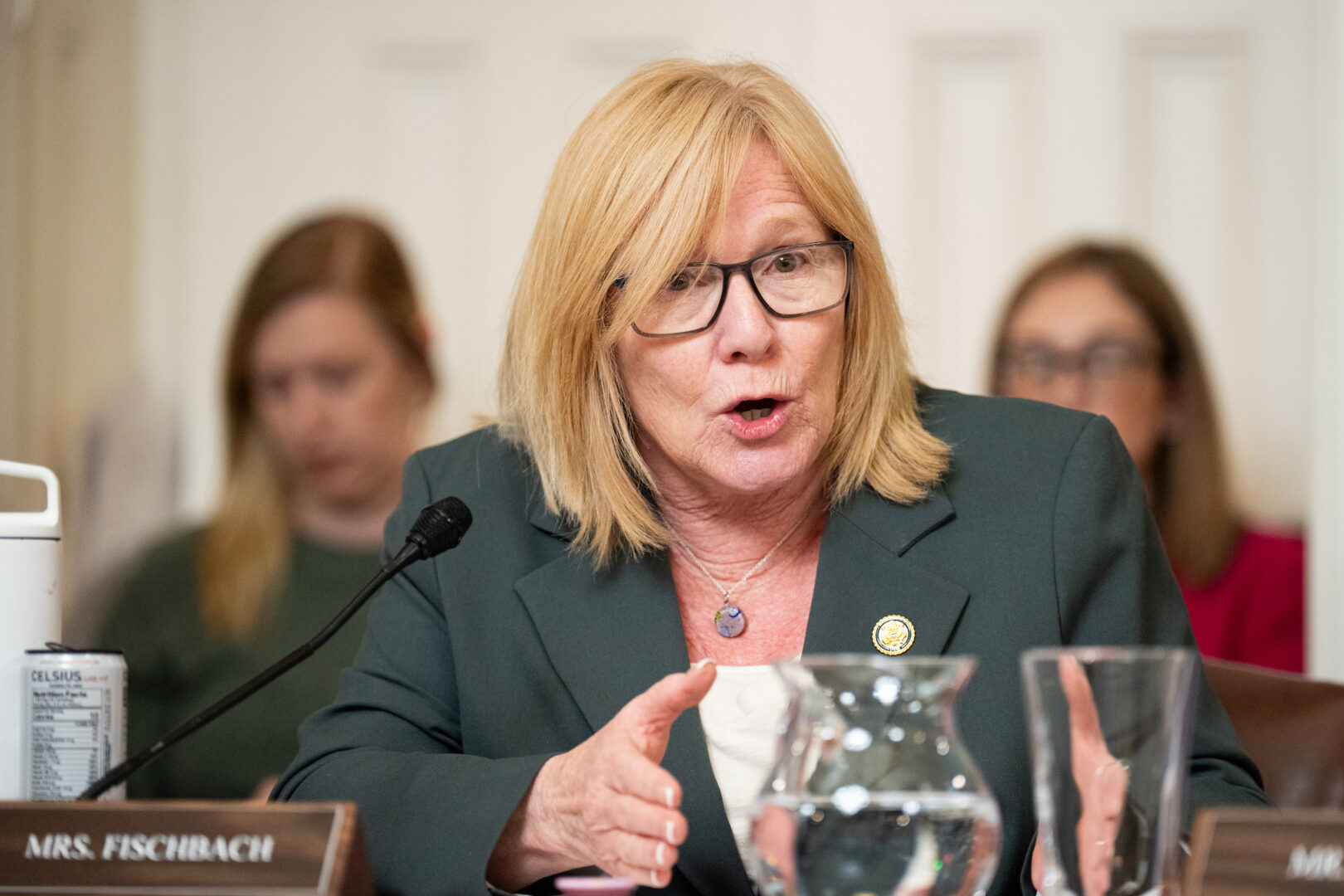
Image via Roll Call
Year-Round E15 Push Returns—Supporters See an Opening in the Farm Bill
Backers of year-round E15 gasoline sales—fuel blended with 15% ethanol—are looking to attach their goal to the broader farm bill debate, hoping an amendment can overcome the long-running seasonal restrictions that limit E15 in many markets. Rep. Michelle Fischbach (R-Minn.) and other supporters argue that consistent national rules would expand consumer choice, support corn growers, and potentially lower prices at the pump, depending on regional blending economics.
Opposition and caution persist. Some oil-state lawmakers and segments of the refining industry have pushed back on broader mandates or regulatory shifts, while others raise concerns about infrastructure compatibility and the uneven effects across states. Still, with the farm bill serving as one of the few legislative vehicles large enough to carry energy-adjacent provisions, E15 advocates believe the politics may be more favorable than in stand-alone fights—especially as both parties search for “kitchen-table” cost-of-living wins.
Read the full story at Roll Call →

Image via The Dispatch
Crypto’s Political Machine Reloads—Bigger Wallet, Messier Strategy for 2026
After an estimated $130 million spent in 2024, the crypto sector’s political operation is expected to remain a major force heading into the 2026 midterms—but more fractured in priorities and alliances. The basic trajectory is clear: crypto-linked donors and PAC networks want friendlier rules, clearer regulatory boundaries, and lawmakers who will resist what they view as enforcement-driven policymaking. But the coalition is no longer moving as one, with internal divides over which tokens, business models, and regulatory frameworks deserve protection.
That fragmentation could cut two ways. On one hand, it may reduce the industry’s ability to concentrate firepower and message discipline in key races. On the other, the sheer scale of available money—combined with lawmakers’ growing sensitivity to being targeted in primaries or well-funded general elections—may make “crossing crypto” politically costlier even without a single unified playbook. Expect spending to focus heavily on committee gatekeepers, swing-district incumbents, and candidates willing to back a narrower, more market-friendly regulatory approach.
Read the full story at The Dispatch →
Brief Updates — Facts first, context always.
— Brief Updates Editorial