Today’s Sponsor
Wall Street analysts are issuing rare downgrades and sell ratings on 20 stocks right now — do you own any of them? When top analysts consistently rate a stock "hold" or "sell," there's a serious problem, and the window to act may be closing fast.
MarketBeat has identified the 20 companies with the lowest analyst recommendations over the last 12 months and compiled them into a FREE report: "20 Stocks to Sell Now." For a limited time, you can claim your copy at no cost.
Get Your Free Report NowBy clicking the button above, you will receive this free report and a free subscription to MarketBeat's daily email newsletter. You are also agreeing to the terms of our privacy policy. Unsubscribe at any time.

Friday, November 13, 2026: Microsoft works through a major disruption, China pushes back on chip curbs, pack-ripping goes mainstream, U.S. authorities claw back stolen crypto tied to North Korea, and United draws a line on AI booking agents.

Image via The Hill
Microsoft says service is coming back after global Outlook and Teams outage
Microsoft says it is seeing "encouraging recovery progress" after a major global outage disrupted Outlook, Teams, and a range of Microsoft 365 services Thursday, with lingering issues still affecting users early Friday. The company has been restoring access in stages, while customers across regions reported problems sending email, joining meetings, and accessing cloud-based tools that many workplaces treat as mission-critical.
The immediate business impact isn’t just lost productivity; it’s also the reminder that a single vendor’s hiccup can cascade through supply chains, schools, hospitals, and government offices. The key question now is whether this was triggered by a software change, a configuration failure, a capacity event, or something more adversarial — and how quickly Microsoft provides a credible, technically specific postmortem that enterprises can act on.
✓ The Bottom Line: Cloud concentration is efficient until it isn’t, and this outage is another expensive proof point. Microsoft generally earns credit for resilience, but customers deserve clear root-cause disclosure and concrete prevention steps, not broad reassurances. If the incident traces back to change management, that’s fixable — but only if the fixes are measured and independently verifiable.
📎 The Hill
China warns Washington against tighter AI chip export controls
China is warning the United States against imposing additional export controls on advanced chips used for artificial intelligence, framing prospective curbs as an escalation that would damage global supply chains. The message follows years of tightening U.S. restrictions aimed at limiting China’s access to cutting-edge semiconductors and the equipment needed to produce them.
For Washington, the argument remains that certain high-end chips materially enhance military and surveillance capabilities, and that guardrails are a national-security necessity. For Beijing, the counterclaim is that the U.S. is weaponizing trade policy to slow a competitor’s growth. The practical reality is that each new control tends to push China to accelerate substitution and self-reliance — while increasing compliance costs and uncertainty for multinationals caught in the middle.
✓ The Bottom Line: Export controls can be justified when they are tightly targeted, enforceable, and paired with a serious domestic industrial strategy. But the U.S. should be honest about trade-offs: broader controls can harden blocs, encourage workarounds, and impose real costs on allied firms. The best case is a narrow, security-focused regime — and clear off-ramps tied to verifiable outcomes.
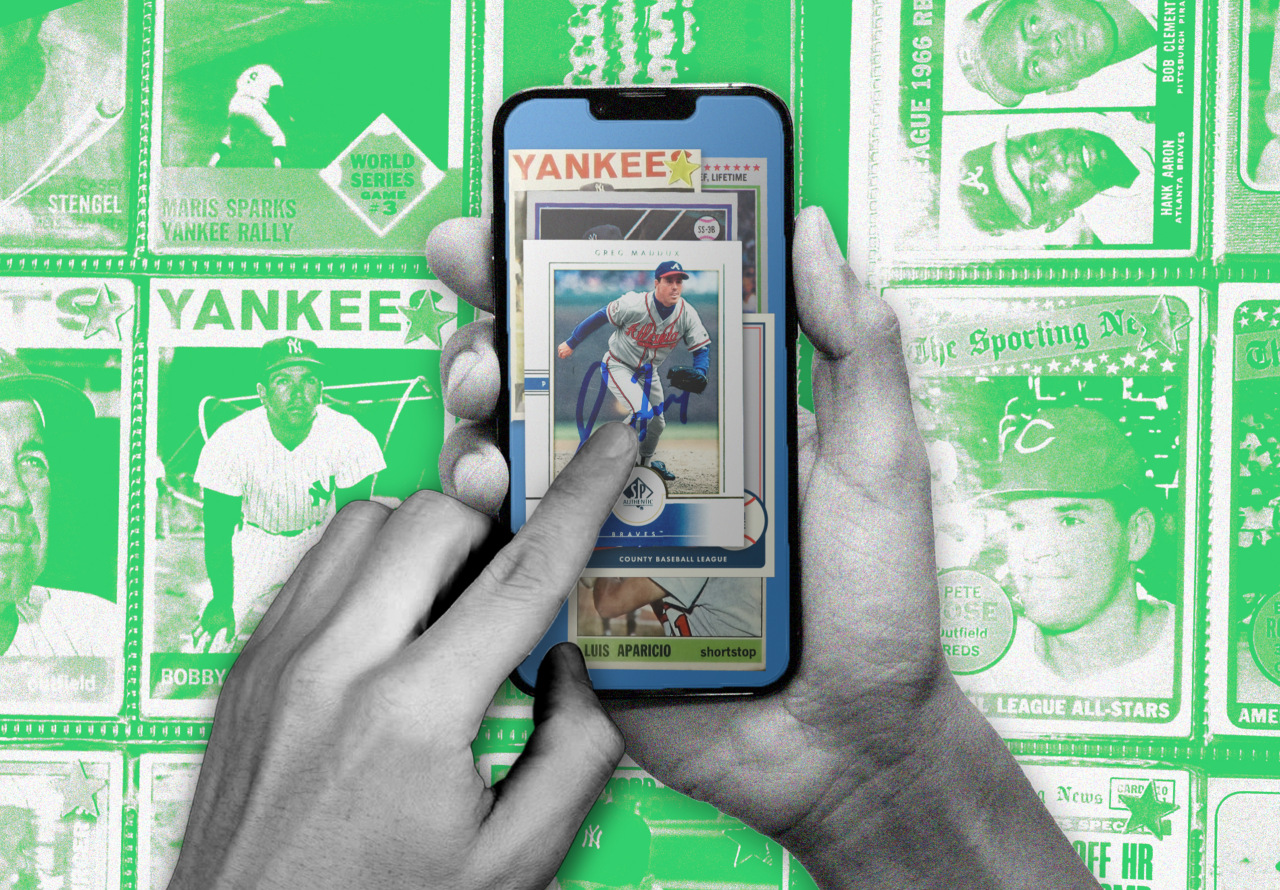
Image via MarketWatch
The $2 billion pack-opening boom turns trading cards into a digital casino-adjacent business
Opening trading-card packs — once a hobby conducted at a kitchen table — has grown into a roughly $2 billion market, increasingly driven by apps and platforms that let users buy, open, and trade packs in a digital environment. These services promise convenience and liquidity, turning pack-opening into a continuous, always-on experience rather than an occasional purchase at a store.
Analysts and critics warn that the appeal is not just nostalgia but the "slot-like payoff" of randomized rewards, amplified by flashy UX, social sharing, and instant resale. That raises familiar concerns about consumer protection, especially for younger users: unclear odds, impulse spending, and the psychological pull of near-misses. Meanwhile, the underlying market remains vulnerable to the usual collectible risks — hype cycles, grading disputes, and sudden repricing when tastes shift.
✓ The Bottom Line: There’s nothing wrong with collectibles, but digitizing the pack-opening ritual makes it easier to overspend and harder to recognize when fun becomes compulsion. If platforms are going to mimic gambling mechanics, they should expect gambling-level scrutiny: transparent odds, robust age gating, and clear guardrails against predatory design. The industry can either self-regulate now or get regulated later — and later tends to be messier.

Image via Fox Business
U.S. freezes billions in crypto tied to North Korea after Binance theft
U.S. authorities have frozen more than $2.7 billion in cryptocurrency linked to a theft from Binance that totaled roughly $6 billion, with reporting tying the broader hack to North Korean actors. The action underscores a recurring pattern: sophisticated state-backed groups stealing digital assets at scale and then working to launder proceeds through complex webs of wallets, mixers, and cross-chain swaps.
The freeze highlights both the promise and the limits of crypto tracing. Blockchains are transparent, but attribution and recovery depend on rapid coordination among exchanges, analytics firms, and law enforcement, plus jurisdictions willing to cooperate. The incident also renews pressure on major platforms to harden custody, reduce single points of failure, and strengthen controls that can detect illicit flows before assets disappear into harder-to-track channels.
✓ The Bottom Line: This is what crypto regulation is supposed to enable: faster interdiction and higher costs for state-backed theft. Freezing billions is a meaningful win, but it’s also an indictment of security practices when a single breach can reach this scale. If exchanges want to be treated like serious financial institutions, they need institution-grade controls — and they should stop treating that expectation as optional.

Image via ZeroHedge
United moves to block AI agents from booking flights for customers
United Airlines is moving to ban the use of AI agents that book flights on behalf of customers, a sign that airlines are growing wary of automated intermediaries that can scrape fares, create bookings at scale, or introduce higher error rates and customer-service disputes. The reported move points to a coming fight over who gets to automate commerce on the open internet — consumers and their tools, or platforms that want controlled access.
Airlines have practical concerns: fraudulent transactions, account takeovers, fare-rule violations, and the downstream cost of fixing mistakes when an automated agent misreads restrictions or misses critical prompts. But there is also a competitive layer: if AI agents become the front door for travel shopping, airlines risk losing pricing power, branding control, and the ability to upsell ancillaries. The policy choice will likely hinge on whether airlines can offer a secure API-based path for legitimate automation while blocking the abusive versions.
✓ The Bottom Line: Blanket bans are a blunt instrument, and they often end up punishing legitimate consumer convenience along with bad actors. United is right to protect customers and its systems, but the responsible path is clear standards: authenticated access, audited partners, and liability rules when an agent causes harm. If airlines simply slam the door, regulators and consumers will eventually ask whether that’s about security — or about control.
That’s the briefing for today. We’ll be watching for Microsoft’s post-incident details, any concrete U.S. chip-control language, and whether the AI booking crackdown turns into an industry-wide standard or a legal fight.
— Brief Updates Editorial