Today’s Sponsor
Tax season creates hidden market shifts that can mislead investors. Refunds hit accounts, portfolios get rebalanced, and positions move to cover obligations — creating liquidity changes that make small-cap moves appear more meaningful than they actually are.
Our 2026 Market Flow Briefing reveals how tax-season liquidity affects market action, why current moves seem disconnected from fundamentals, and exposes one profitable setup emerging under these exact conditions.
Get the Free Briefing*We encourage readers to perform their own research and due diligence on any information we provide. By clicking the link you will automatically be subscribed to the Stock Wire News Newsletter.

A key U.S. inflation measure accelerated, complicating the Fed’s path, while geopolitics, AI, and legal and security developments add fresh uncertainty across markets and policy.
Image via Associated Press
Inflation Gauge Heats Up Again, Squeezing Paychecks and Spending
A key U.S. inflation measure accelerated, a reminder that price pressures remain stubborn even as households have grown more sensitive to essentials like gas, food, and rent. The latest reading points to renewed erosion in real (inflation-adjusted) incomes—an unwelcome development for consumers who have increasingly leaned on credit and reduced savings to maintain spending.
The data complicates the Federal Reserve’s path. Sticky inflation can keep rate cuts on hold longer than markets want, raising the risk that borrowing costs stay elevated into the second half of the year. Policy uncertainty around tariffs and energy prices is also feeding volatility, making it harder for businesses to plan pricing and hiring and for families to budget.
Read the full story at Associated Press →
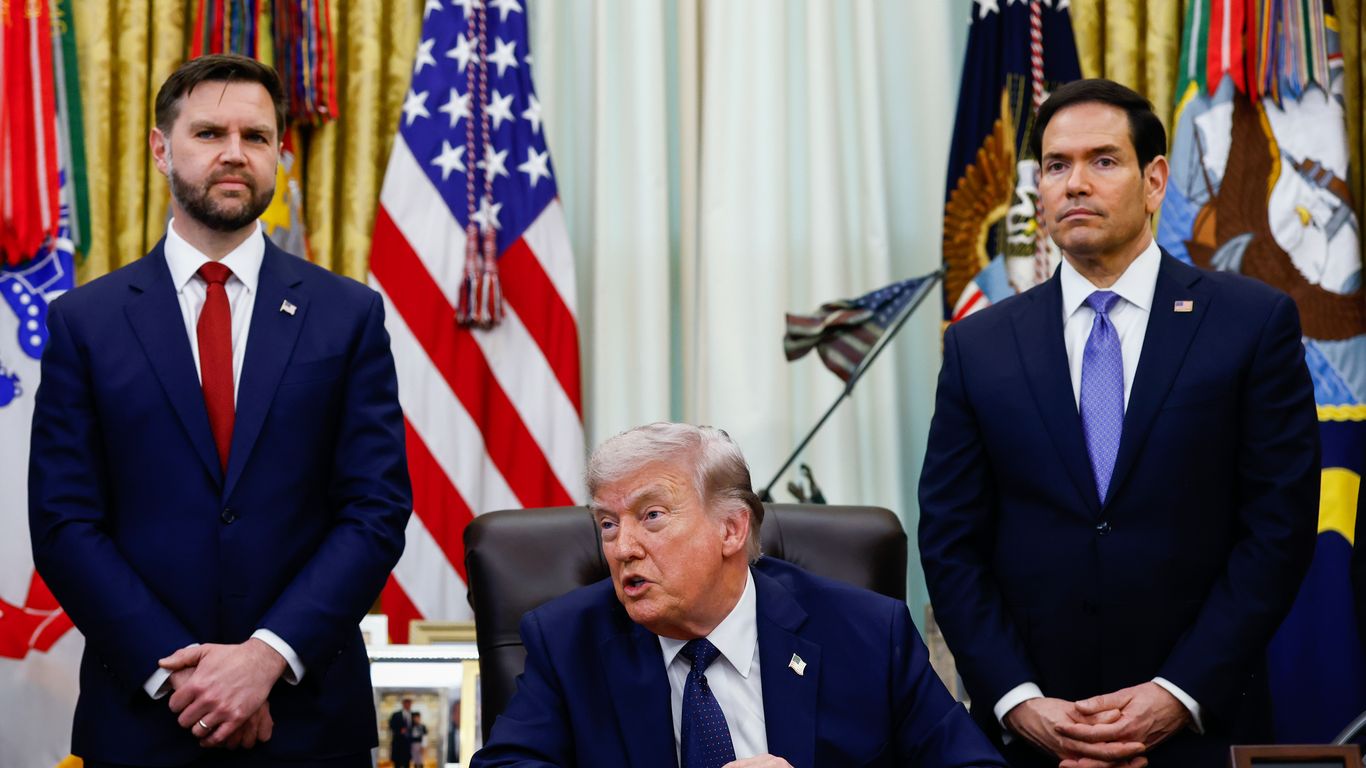
Image via Axios
U.S. and Iran Reach Draft 60-Day Understanding—Awaiting Trump’s Sign-Off
U.S. and Iranian negotiators have reportedly agreed to a 60-day memorandum of understanding intended to extend a ceasefire framework and open a new channel for talks on Iran’s nuclear program, according to officials familiar with the negotiations. The arrangement is not final and still requires President Trump’s approval, underscoring that the political decision-making in Washington could be as consequential as the technical terms.
Even a temporary memorandum would likely be framed as a bridge: buying time to negotiate verification, enrichment limits, and enforcement mechanisms while lowering near-term regional tensions. But the risks are familiar—critics argue interim deals can reduce pressure without locking in durable concessions, while supporters contend a short-term freeze can prevent escalation and create space for a more comprehensive agreement.
Read the full story at Axios →
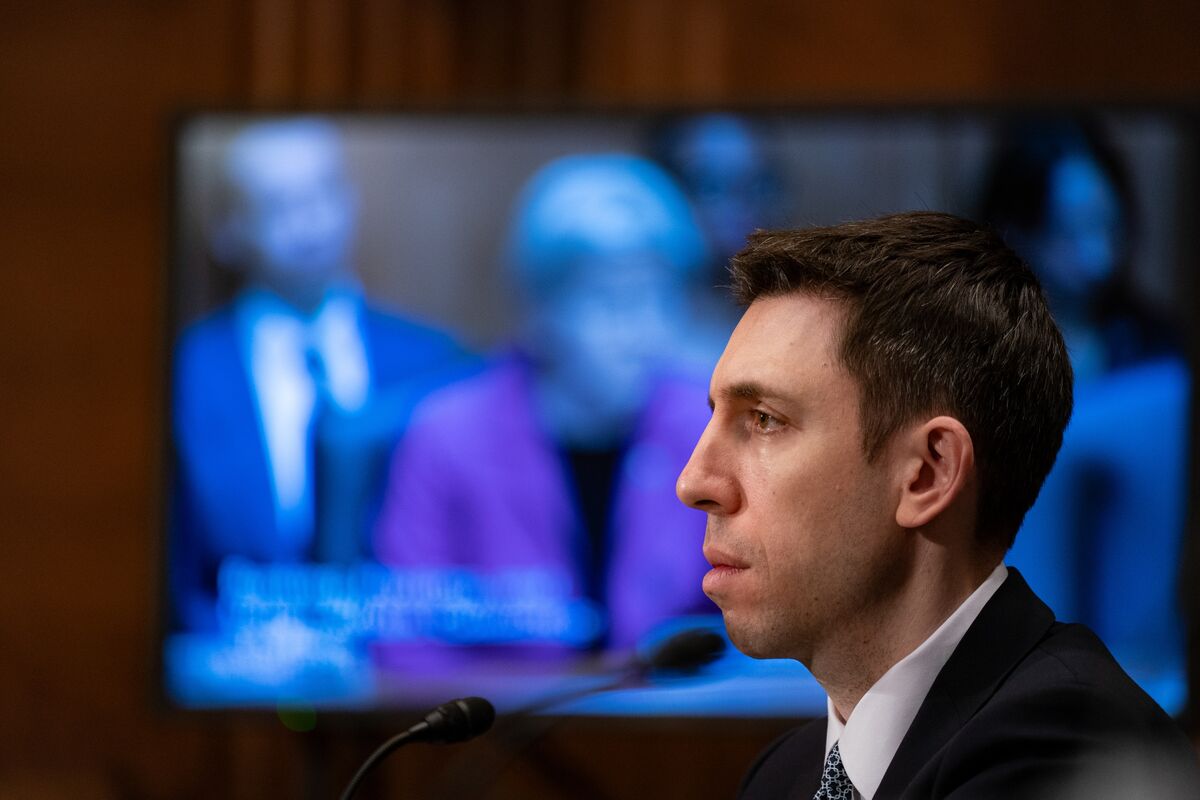
Image via Bloomberg
AI Muscles Into the C-Suite: From Pilot Projects to CEO Priority List
Artificial intelligence is increasingly reshaping executive agendas—sometimes faster than leaders intended—pushing beyond pilot programs into core decisions about productivity, staffing, cybersecurity, and competitive strategy. Companies that once treated AI as a “digital transformation” line item are now confronting demands for near-term ROI, governance frameworks, and clearer accountability when automated systems produce errors.
The shift is also changing boardroom conversations: how to protect proprietary data, what to do about AI-driven labor displacement, and how to manage regulatory exposure while rivals move quickly. For many firms, the pressure isn’t just to adopt AI tools, but to rework processes around them—making AI less a product choice and more an operating model change.
Read the full story at Bloomberg →

Image via NBC News
U.S. Denies Kyiv Embassy Pullback Rumors as Zelenskyy Sends Trump a Letter
The U.S. rejected claims that American diplomats have fled or meaningfully drawn down in Kyiv, saying personnel remain in place despite heightened Russian threats and warnings. The denial followed remarks attributed to a senior European Union official suggesting a U.S. pullback, which Washington called inaccurate.
The dispute comes as Ukraine’s President Volodymyr Zelenskyy sent a letter to President Trump, signaling a push to keep U.S. support steady and lines of communication open as battlefield pressures and diplomatic maneuvering intensify. Messaging around embassy posture matters: any perception of evacuation can rattle markets, influence allied decisions, and hand Russia an information victory even without a change in facts on the ground.
Read the full story at NBC News →

Image via NBC News
DOJ Opens Criminal Probe into E. Jean Carroll Over Alleged Perjury
The Justice Department has opened a criminal investigation into whether E. Jean Carroll committed perjury in testimony connected to her civil lawsuits involving sexual abuse allegations against President Trump, according to reporting. A criminal probe does not mean charges are imminent, but it elevates the matter from civil litigation fallout into potential criminal exposure.
The investigation lands in a politically combustible arena: Carroll is a central figure in a high-profile legal saga involving the president, and any DOJ action will be scrutinized for timing and motivation. Prosecutors will typically need to show not just inconsistency but knowingly false material statements under oath—an evidentiary bar that can be difficult to clear, especially when testimony disputes hinge on credibility and recollection.
Read the full story at NBC News →
Brief Updates — Facts first, context always.
— Brief Updates Editorial