Today’s Sponsor
Markets are shifting — and most investors are missing it. The free Market Shift Report + Real-Time Watchlist breaks down exactly what's moving right now: policy impacts on economic trends, the return of supply-chain concerns, and what mixed consumer signals mean for the next quarter.
This complimentary report is only available for a limited time while these patterns are still developing. Don't get caught flat-footed — access it now before it's gone.
Get the Free Market Shift ReportWe encourage readers to perform their own research and due diligence on any information provided. By clicking the link above, you will automatically be subscribed to the Market Crux Newsletter. Privacy Policy

New Zealand’s pandemic-era housing surge is unwinding fast, offering a case study in what happens when cheap money, constrained supply, and speculative demand collide—and then financing conditions normalize.

Image via Bloomberg
New Zealand’s Housing Boom-and-Bust Is a Warning Shot
New Zealand’s pandemic-era housing surge has turned into a painful unwind, with prices falling sharply from their peak after aggressive interest-rate hikes and a pullback in investor demand. Bloomberg frames it as a case study in what happens when cheap money, constrained supply, and speculative buying collide—and then financing conditions normalize quickly. The country’s experience is being watched by other high-priced markets that saw similarly stretched affordability.
The newsletter also points to parallel pressure points elsewhere: persistent sticker shock in San Francisco, consolidation among large landlords that could concentrate market power in already-tight rental markets, and rising community and political backlash against data centers as they compete for land, power, and water. The common thread is that housing isn’t just a “local” story anymore—capital flows, interest rates, and infrastructure constraints are increasingly global factors shaping outcomes.
Read the full story at Bloomberg →
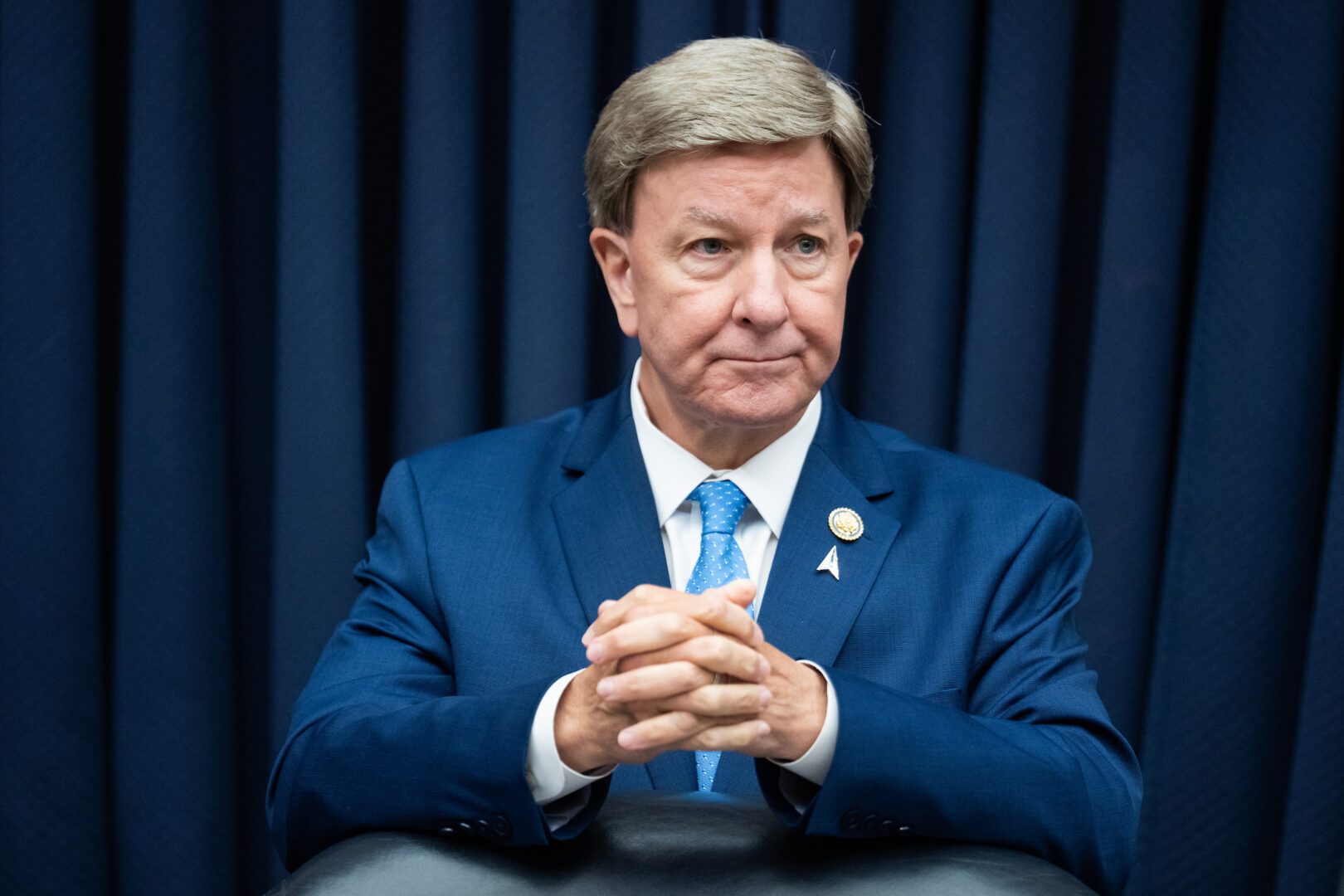
Image via Roll Call
House Armed Services GOP Unveils NDAA Draft, Setting Up Familiar Fights
House Armed Services Committee Chairman Mike D. Rogers (R-Ala.) released his version of the annual National Defense Authorization Act (NDAA), kicking off the House’s formal work on the must-pass defense policy bill. The chairman’s mark typically signals majority priorities and becomes the baseline for debate over Pentagon policy, procurement, personnel, and hot-button culture-war provisions that have become recurring flashpoints.
The rollout sets up negotiations not only with House Democrats, but also with the Senate, where the NDAA often moves on a different timetable and with different constraints. Even when Congress ultimately passes the NDAA—as it has for decades—final agreement can require stripping or narrowing controversial riders to avoid a veto threat or a late-year logjam tied to broader spending fights.
Read the full story at Roll Call →

Image via NBC News
Texas Democrats See Rare Incumbent Upset as Menefee Tops Al Green
Freshman Rep. Christian Menefee defeated longtime Rep. Al Green in the Democratic primary runoff in Texas’ 18th Congressional District, NBC News projects—an unusual result in a seat where the Democratic primary is effectively the election. Green, a well-known figure in the House and a veteran of national Democratic politics, becomes one of the rare incumbents to lose renomination this cycle, underscoring how intra-party dynamics and generational turnover are reshaping some deep-blue districts.
The outcome also highlights a broader pattern in safely Democratic urban seats: local networks, turnout dynamics in runoffs, and candidate identity can matter more than national partisanship. With the district firmly blue, attention now shifts to how the new nominee consolidates support and what the result signals about the direction of the local party coalition.
Read the full story at NBC News →
Oil Slides Below $90 on Report of Potential Hormuz De-Escalation Framework
U.S. crude fell roughly 5% Wednesday, dropping below $90 a barrel, after a report suggested Iran would restore shipping traffic through the Strait of Hormuz within a month under a framework agreement with the U.S. Markets treated the report as a near-term de-risking signal for one of the world’s most critical energy chokepoints, where disruptions can quickly ripple into global prices.
The move underscores how sensitive oil remains to geopolitical headlines: even the prospect of improved maritime security and predictable transit can loosen risk premiums that built up amid conflict fears. Traders will be watching for corroboration, details on enforcement and verification, and whether any arrangement is durable enough to change shipping behavior and insurance costs—not just the rhetoric.
Image via Associated Press
Israel Says It Killed Hamas’s New Military Leader in Gaza
Israel said it killed Hamas’s newly installed military leader in Gaza in an airstrike, as fighting continues and Palestinians reported additional casualties and destruction. The Associated Press reports mourners gathered for a funeral for Mohammad Odeh, whom Israel identified as a leader in Hamas’s Qassam Brigades, reflecting the ongoing cycle in which Israel targets militant leadership while Gaza’s civilian toll and humanitarian strain remain central international concerns.
If confirmed, the strike would mark another leadership loss for Hamas and could complicate the group’s command-and-control, at least temporarily. But past phases of the conflict have shown that decapitation strikes do not necessarily translate into a quick end to hostilities, particularly when political end-states and post-war governance remain unresolved and negotiations over cease-fires and hostages remain fragile.
Read the full story at Associated Press →
For Brief Updates, I’m keeping it factual—and watching what happens next.
— Brief Updates Editorial