Today’s Sponsor
Markets are shifting — and most investors are missing it. The free Market Shift Report + Real-Time Watchlist breaks down exactly what's moving right now: policy impacts on economic trends, the return of supply-chain concerns, and what mixed consumer signals mean for the next quarter.
This complimentary report is only available for a limited time while these patterns are still developing. Don't get caught flat-footed — access it now before it's gone.
Get the Free Market Shift ReportWe encourage readers to perform their own research and due diligence on any information provided. By clicking the link above, you will automatically be subscribed to the Market Crux Newsletter. Privacy Policy

Louisiana Gov. Jeff Landry postponed U.S. House primaries amid renewed uncertainty over the state’s congressional map, while other developments span war-related environmental damage, mortgage-rate volatility, emerging-market trading, and the end of a record DHS shutdown.
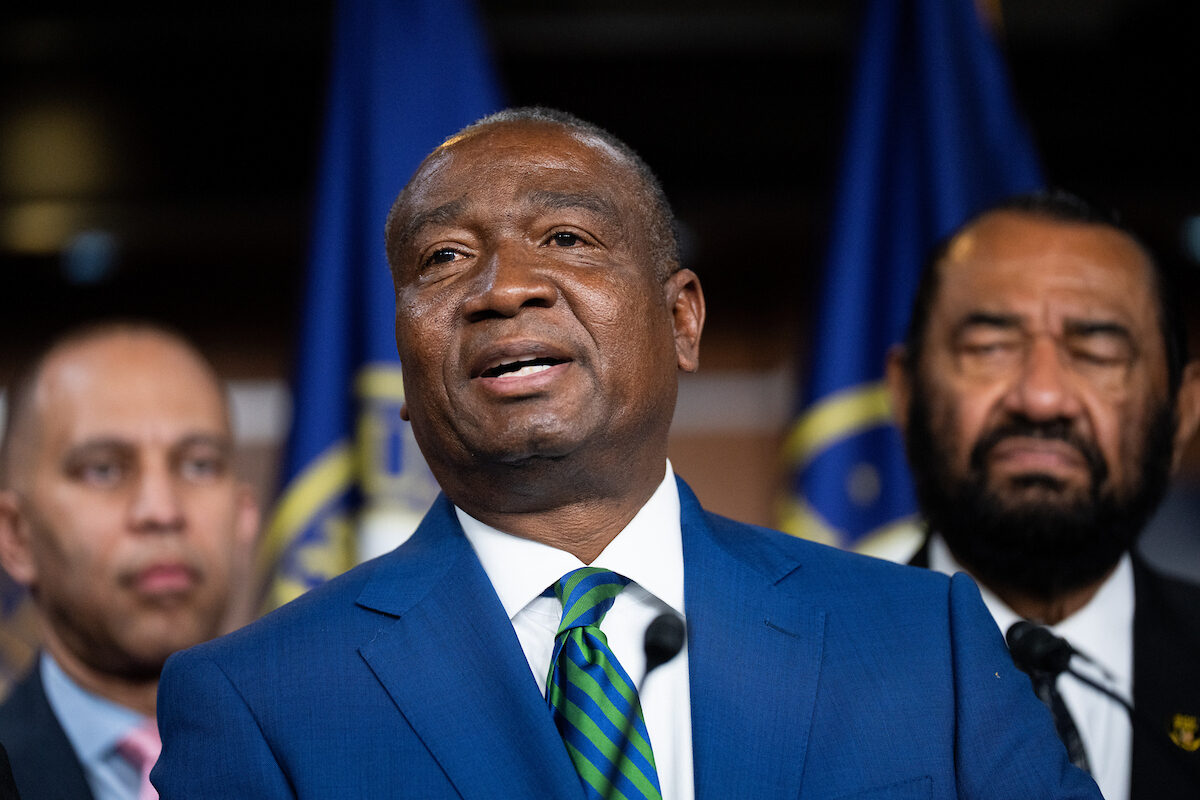
Image via Roll Call
Louisiana Governor Delays House Primaries After Supreme Court Redistricting Move
Louisiana Gov. Jeff Landry has postponed the state’s U.S. House primaries following a Supreme Court decision that injected fresh uncertainty into a closely watched redistricting fight. The delay effectively buys time for election administrators — and for litigants — as the boundaries for Louisiana’s congressional map remain in flux.
The dispute has centered on whether Louisiana must maintain a second majority-Black district, an issue that has bounced between federal courts and the Supreme Court amid broader national battles over the Voting Rights Act and race-conscious districting. Rep. Cleo Fields, whose political prospects are tied to the map, appeared with the Congressional Black Caucus to argue the stakes are about fair representation, while state Republicans say the lines should reflect neutral criteria and avoid racial sorting.
Read the full story at Roll Call →
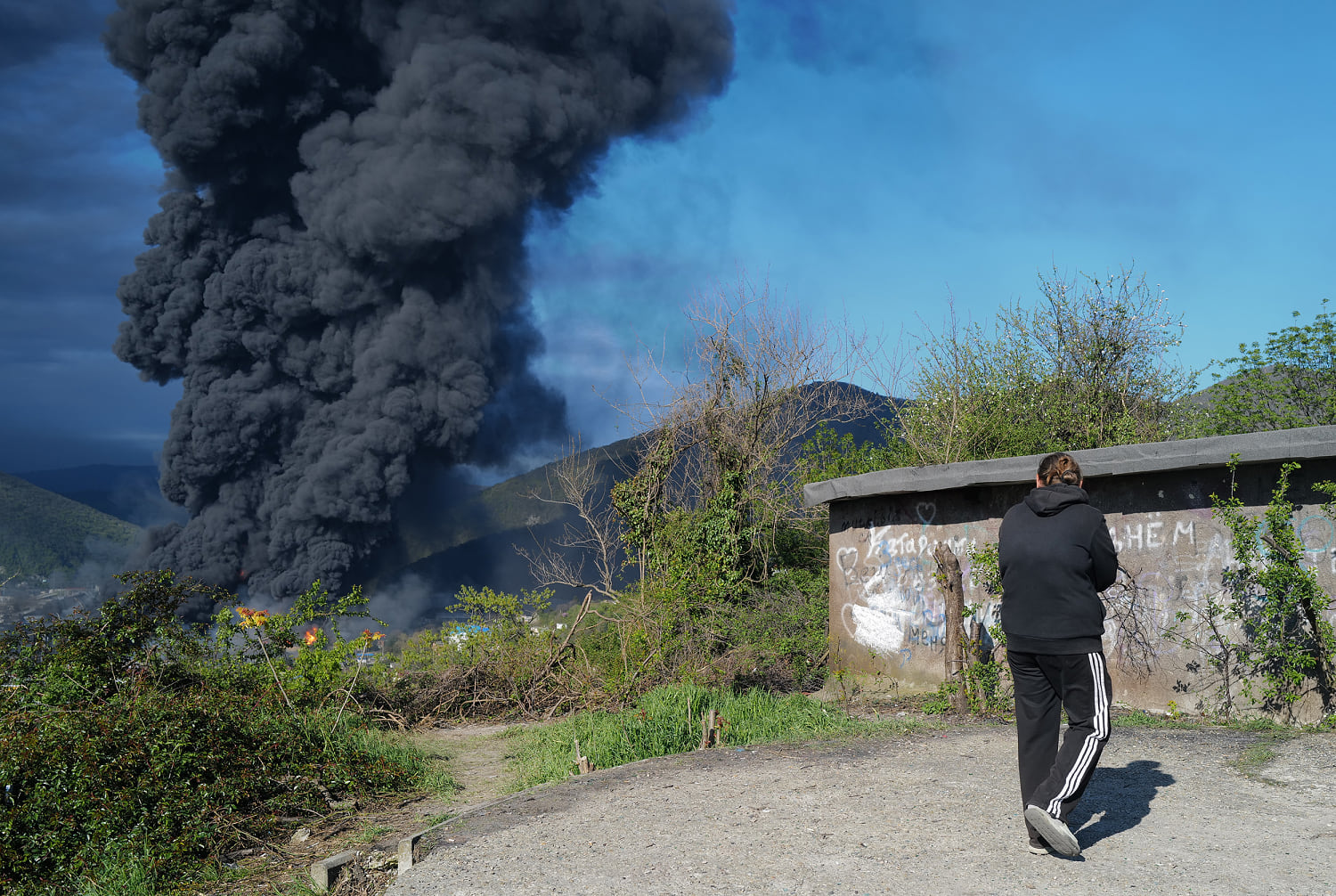
Image via NBC News
“Oil Rain” and Toxic Fumes: Black Sea Town Reports Widening Damage After Strikes
A Russian Black Sea town is facing what local residents and environmental observers describe as an escalating ecological crisis after Ukrainian strikes hit infrastructure tied to fuel and industrial operations. Residents reported oily residue, acrid air, and fears of long-term contamination as emergency crews worked around damaged sites.
The episode underscores a less-discussed consequence of the war: environmental harm that can outlast military gains. Ukraine has argued that strikes on logistics and energy nodes are legitimate targets in a defensive war, while Russia accuses Kyiv of endangering civilians and committing “terror” attacks. Independent verification remains difficult in contested areas, but the reported pollution risk — including fumes and coastal contamination — highlights how attacks near industrial facilities can create cascading hazards for public health and fisheries.
Read the full story at NBC News →
Mortgage Rates Today (May 1, 2026): Still the Biggest Variable for Buyers
Mortgage interest rates on Friday remained a central pressure point for homebuyers and refinancers, with daily quotes continuing to move with Treasury yields and expectations for Federal Reserve policy. Even small rate shifts matter: on a typical 30-year loan, a fraction of a percentage point can change monthly payments meaningfully, shaping what buyers can afford and how long listings sit.
CBS notes that borrowers shopping today should compare multiple lenders and focus on the annual percentage rate (APR), not just the headline rate, since fees and points can change the real cost of a loan. With affordability already strained in many markets, rate volatility is keeping demand uneven — and making “date the rate, marry the house” strategies riskier if refinancing windows don’t reopen quickly.
Read the full story at CBS News →
Emerging Markets Edge Higher as Holiday-Thin Trading Mutes Moves
Emerging-market assets eked out gains in subdued, holiday-thinned trading, with lighter volumes limiting conviction behind price moves. In markets like these, marginal flows can push indexes around more than usual — a dynamic investors watch closely for signs that a rally is broadening or merely drifting.
Bloomberg reported that the session’s modest advance came as investors weighed global rate expectations, the dollar’s direction, and commodity signals — all key drivers for developing economies that rely on external financing or exports. The bigger test typically comes when full liquidity returns, as positioning and risk appetite become clearer in normal volume conditions.
Read the full story at Bloomberg →

Image via The Hill
Trump Signs Bill Ending Record DHS Shutdown, Restoring Most Funding
President Trump signed legislation Thursday to end the record-long shutdown at the Department of Homeland Security, restoring funding for most agencies and allowing impacted operations to normalize. The measure reflected a bipartisan agreement to reopen core functions, though details of longer-term budget fights — including border security priorities and discretionary spending caps — remain unresolved.
The shutdown’s length amplified disruptions across DHS components, with knock-on effects for staffing, contracting, and backlogs. Supporters of the deal argued reopening was necessary to reduce operational risk and uncertainty, while critics warned that repeated brinkmanship is becoming a standard feature of federal budgeting, undermining agency planning and workforce morale.
Read the full story at The Hill →
Brief Updates — Facts first, context always.
— Brief Updates Editorial