Today’s Sponsor
With government debt soaring and inflation still biting, smart investors aren't waiting for volatility to hit — they're preparing now. The Gold Wealth Blueprint breaks down exactly how gold has historically shielded portfolios during periods of fiscal strain and market uncertainty.
Inside, you'll discover why gold moves differently than paper assets, how to use it as a practical hedge, and how to size your exposure without overcommitting. It's concise, actionable, and free — but don't sit on it.
Get the Free Gold Wealth BlueprintBy following the link above, you're choosing to opt in to receive insightful updates from Investor News + 2 free bonus subscriptions. Your privacy is important to us. You can unsubscribe anytime. See our privacy policy for details.

Thursday, July 23, 2026: Trump frames the Saudi nuclear pact as no-enrichment and normalization-for-deal; Democrats pick a nominee in a pivotal Arizona race; Houthi attacks raise Red Sea stakes; House passes a symbolic Pentagon renaming; investors scrutinize Alphabet and Tesla’s AI-era spending.
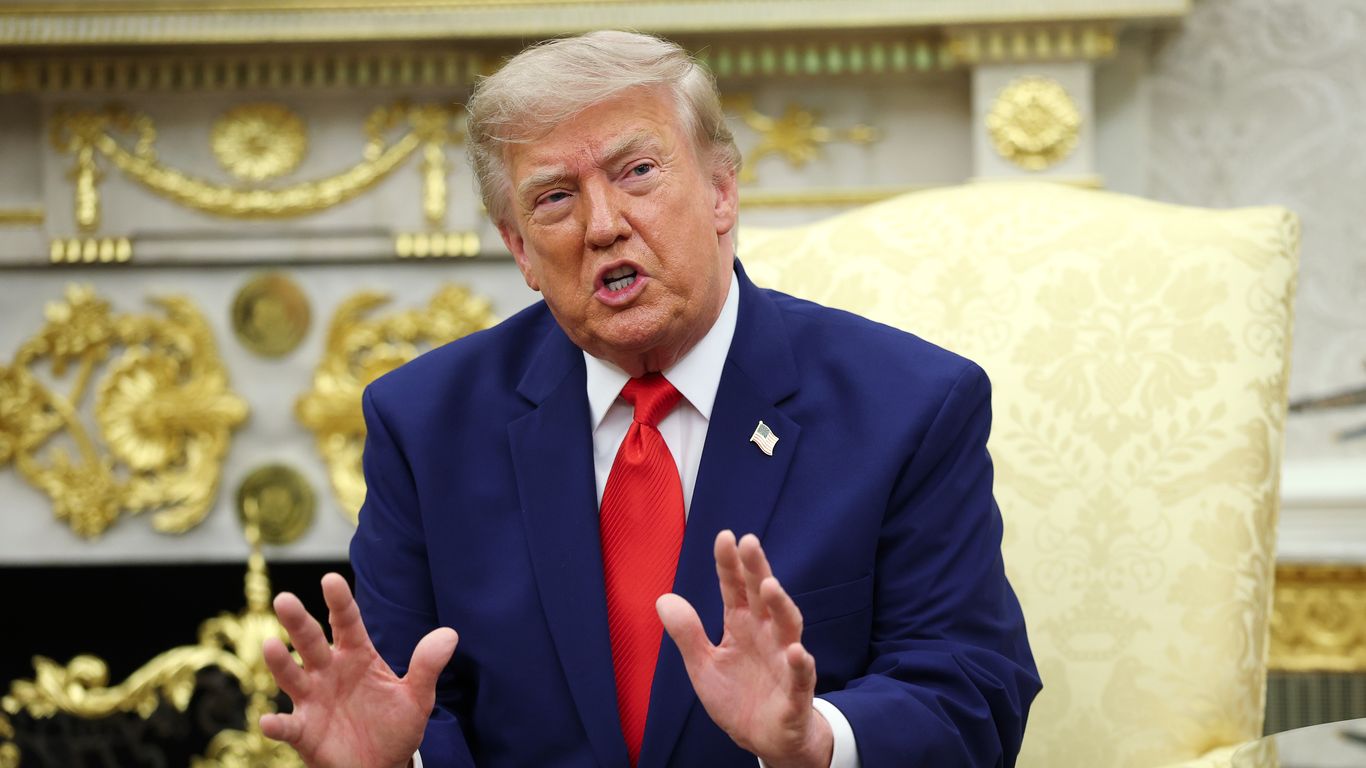
Image via Axios
Trump: Saudi nuclear pact blocks enrichment, ties deal to Israel normalization
President Trump said Thursday that the newly signed U.S.-Saudi nuclear agreement bars uranium enrichment on Saudi soil and conditions the broader package on Saudi normalization with Israel. If those terms hold in the final, binding text, they would align with a long-standing U.S. nonproliferation goal in the region: civilian nuclear cooperation without creating a domestic pathway to weapons-grade material.
The key question is enforcement and sequencing. Saudi leaders have repeatedly argued they should retain an enrichment option, especially if Iran continues advancing its program, while Israel and many in Congress have pushed for a “gold standard” deal that forswears enrichment and reprocessing. The normalization condition also matters: making diplomatic recognition a requirement could strengthen Israel’s regional integration, but it also increases the deal’s political vulnerability if Riyadh demands concessions tied to Gaza, security guarantees, or U.S. policy toward Iran.
For Washington, the agreement sits at the intersection of energy policy, arms and security commitments, and the credibility of nonproliferation rules. Expect intense scrutiny of side letters, inspection regimes, fuel-supply guarantees, and what happens if Saudi Arabia claims future “strategic necessity” to revisit the enrichment ban.
Source: Axios
Read the full story at Axios →
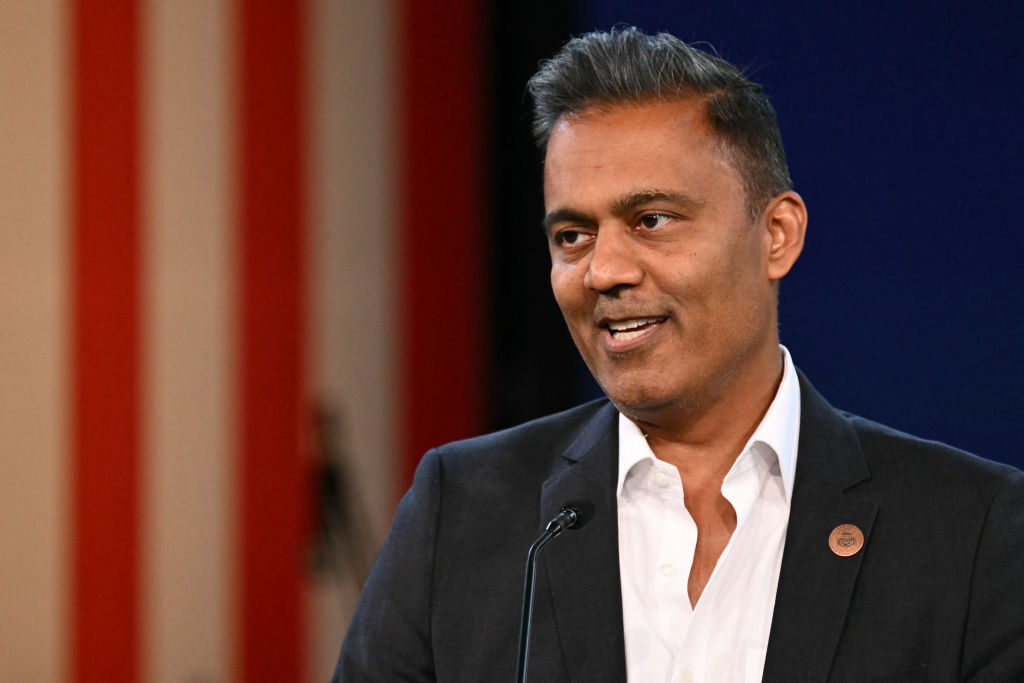
Image via Roll Call
Amish Shah wins Democratic primary in high-stakes Arizona House seat
Former Arizona state Rep. Amish Shah won the Democratic nomination for Arizona’s 1st Congressional District, defeating a rival backed by the Democratic Congressional Campaign Committee. The result is a reminder that national party committees can shape races, but they can’t always dictate them—especially in a state where candidates’ local profiles and coalition-building often matter as much as national branding.
Arizona’s 1st is a seat both parties view as central to the House battlefield. Shah’s primary win now shifts Democrats from intraparty messaging to the general-election fundamentals: turnout among core Democratic constituencies, persuasion among suburban independents, and the ability to keep the race anchored to cost-of-living, border management, and public safety rather than national caricatures.
For Republicans, the outcome likely prompts a recalibration on how to frame the Democrat: as an extension of national Democrats or as a district-specific candidate with a distinct record in Phoenix-area politics. Either way, with the general election ahead, outside money and national attention should intensify quickly.
Source: Roll Call
Read the full story at Roll Call →
Houthis hit Saudi-linked tankers in Red Sea, raising risk of a wider regional fight
Yemen’s Houthi movement attacked Saudi tankers in the Red Sea, the latest escalation threatening to pull more of the region’s maritime commerce into the growing Iran-linked conflict. The Red Sea corridor is already one of the world’s most sensitive trade chokepoints, and renewed strikes raise insurance costs, disrupt shipping schedules, and increase the odds of miscalculation among navies operating in close proximity.
The Houthis portray shipping attacks as retaliation tied to the broader regional war dynamics and as pressure on Gulf states. But the operational effect is straightforward: targeting energy transport and commercial vessels to create economic and political leverage. Saudi Arabia, which has tried to reduce direct exposure to the Yemen war in recent years, now faces a renewed threat environment—one that could force tougher security decisions even as it pursues large diplomatic and economic initiatives.
The United States and partners have typically responded with a mix of defensive interceptions, convoying, and strikes on launch sites, but each move carries escalation risks. If attacks persist or widen, markets will watch not only oil prices but also the durability of global shipping routes that underpin everything from fuel to consumer goods.
Source: Associated Press
Read the full story at Associated Press →

Image via The Hill
House votes to rename Defense Department as “Department of War” in defense bill
House lawmakers approved a provision in the annual defense policy bill to rename the Department of Defense as the “Department of War.” The change is largely symbolic at this stage—Congress routinely passes the National Defense Authorization Act with contentious add-ons that face a tougher path in the Senate and in conference negotiations.
Supporters argue the terminology is more candid about the department’s core function and could sharpen accountability when Congress authorizes force. Critics counter that the current name reflects a post-World War II emphasis on deterrence and alliance defense, and that rebranding risks projecting a more aggressive posture abroad while doing nothing to fix procurement delays, readiness gaps, or the real budget tradeoffs.
Practically, a formal rename would trigger sprawling implementation issues—statutory references, agency seals, forms, signage, and public-facing materials—costs that would be hard to justify absent operational benefits. The bigger story is political: the vote signals where some lawmakers want the national security conversation to go, even if the rename itself never becomes law.
Source: The Hill
Read the full story at The Hill →
Alphabet and Tesla spend big on AI, and investors want proof it pays off
Alphabet and Tesla tested Wall Street’s patience after earnings reports highlighted major spending increases tied to AI and infrastructure, with both stocks dipping as investors weighed capex and operating expense ramps against near-term growth. The market isn’t rejecting AI as a theme; it’s demanding credible timelines, unit economics, and clarity on what, exactly, the spending buys.
For Alphabet, the challenge is balancing search and advertising cash flow with the heavy lift of AI compute, custom chips, and data center expansion—while defending margins in a more competitive AI landscape. For Tesla, investors remain focused on whether AI spending supports tangible automotive and robotics revenue, or whether it becomes an open-ended cost center alongside cyclical demand, pricing pressure, and regulatory uncertainties.
The broader signal is that “AI leadership” is no longer a sufficient narrative by itself. In a higher-scrutiny environment, companies need to show measurable adoption, pricing power, and efficiency gains—not just bigger models and bigger budgets.
Source: CNBC
That’s the file for today. We’ll be watching how the Saudi nuclear terms are written into binding text, whether Red Sea risks force a new security posture, and which big AI bets start turning into real earnings.
— Brief Updates Editorial