Today’s Sponsor
Forget trendy tech — the biggest income opportunities right now are hiding in plain sight. Our newest research has uncovered three high-yield dividend powerhouses generating billions in free cash flow: an energy infrastructure leader paying a 7.3% yield, a tobacco giant delivering an 8.6% dividend, and a consumer-finance specialist posting a massive 9.2% yield — all with conservative payout ratios built to last.
These cash machines are built to thrive even when markets turn choppy — and smart income investors are positioning right now, before this report goes public. Don't miss your window.
Download Your Free Report NowBy clicking the link above you agree to receive emails from StockEarnings and our affiliates. You can opt out at any time. Privacy Policy.

A judge orders the White House to reopen access to outlets it banned, GOP midterm nerves reach trade policy, investigators flag $1.2B in suspected COVID-contract fraud, Netanyahu confronts isolation at the U.N., and oil climbs as Washington and Tehran trade threats.
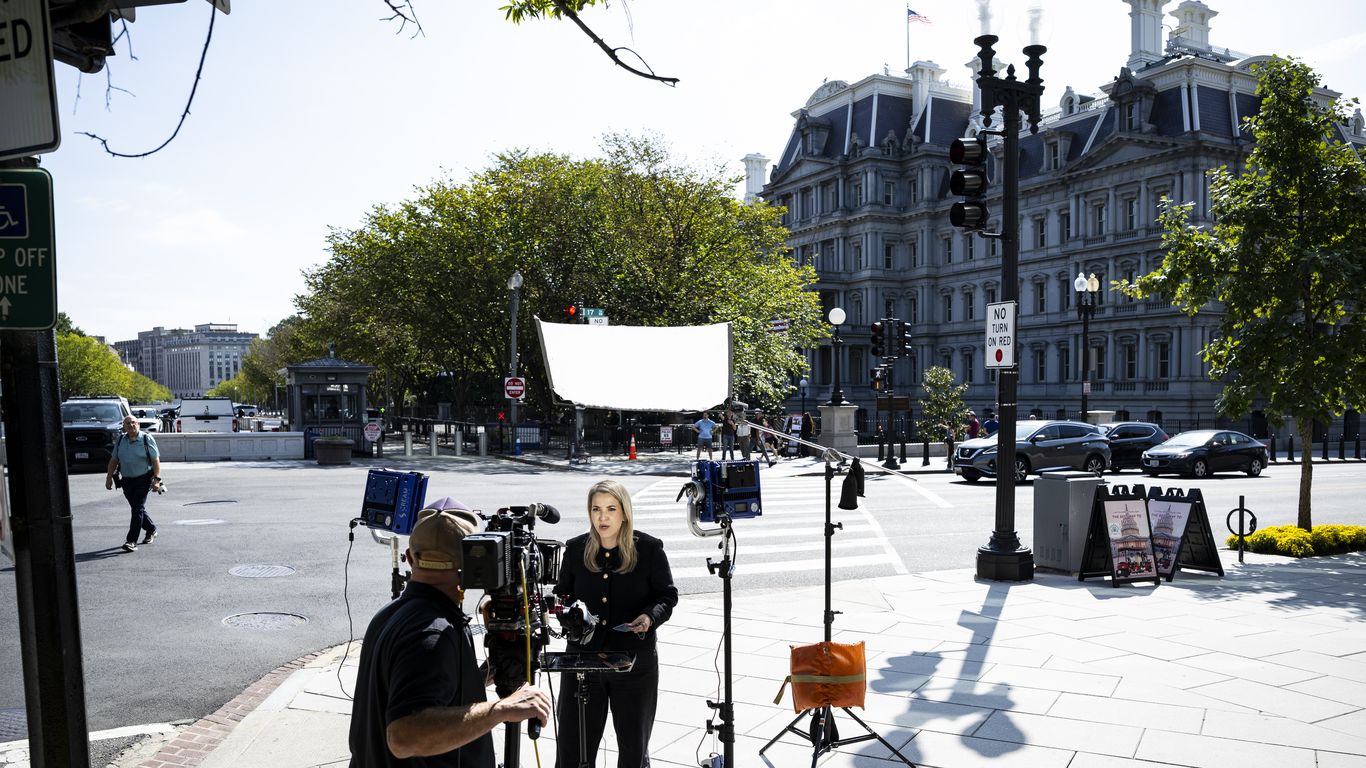
Image via Axios
Judge orders White House to restore access for CNN, MS NOW, and Politico
A federal district court judge ordered the White House to restore access to CNN, MS NOW, and Politico after finding their exclusion likely violated the Fifth Amendment. The ruling grants a temporary restraining order, signaling the court’s view that the administration’s process for banning the outlets did not meet constitutional standards.
Beyond the immediate credentialing fight, the decision lands in a broader debate over whether the executive branch can selectively restrict press access as retaliation for coverage or editorial posture. The order does not prevent the White House from enforcing neutral security rules, but it sharply limits viewpoint-based or procedurally arbitrary restrictions while the case proceeds.
✓ The Bottom Line: Presidents can set orderly access rules, but not pick winners and losers in the press corps because they dislike the coverage. If the White House wants restrictions to survive review, it needs clear, content-neutral standards and a process that looks like due process rather than punishment. The court’s intervention is a reminder that a free press is a structural check, not a perk granted by the communications shop.
📎 Axios

Image via Politico
White House rethinks beef import plan as farm-state Republicans warn of midterm blowback
Trump administration officials are weighing a pullback of a beef import plan amid growing concern from Republican lawmakers in battleground and agriculture-heavy states. The internal debate reflects a familiar election-year pressure point: trade and food policy that looks technocratic in Washington can become politically radioactive in rural counties.
Supporters of loosening import constraints typically argue that added supply can ease consumer prices and reduce inflation pressure, especially when grocery bills remain a top voter complaint. Critics counter that imports can undercut domestic producers and invite retaliation or market instability, and they want the White House to prioritize farm incomes and local industry ahead of November.
✓ The Bottom Line: If the policy’s economic upside is marginal but the political downside is obvious, rolling it back is rational politics, not panic. Still, the administration should level with voters: the real tradeoff is price relief versus producer protection, and you can’t maximize both at once. A clearer, durable framework beats last-minute whiplash that spooks markets and farmers alike.
📎 Politico
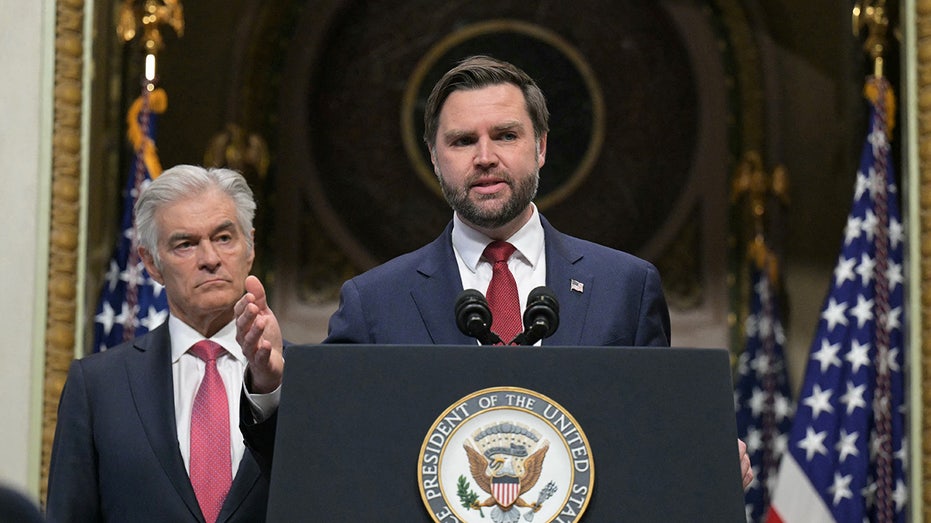
Image via Fox News
GSA flags $1.22B in suspected fraud tied to lingering COVID-era contracts
The General Services Administration says it uncovered $1.22 billion in suspected fraud across five Health and Human Services COVID-era contracts that continued beyond the height of the pandemic. The allegations center on questionable spending tied to programs initially justified as emergency measures.
The report arrives as both parties reassess how trillions in pandemic funding were deployed under compressed timelines and relaxed oversight. Investigators have repeatedly warned that emergency procurement, while sometimes necessary, created prime conditions for waste, fraud, and abuse when controls were sidelined to move money quickly.
✓ The Bottom Line: This is exactly why emergency spending should sunset automatically and trigger mandatory audits when the crisis phase passes. If the suspected fraud is real, prosecutions should be aggressive and public, regardless of which administration signed the paperwork. The bigger lesson is structural: Congress and agencies need faster relief tools that don’t also function as open-ended slush funds.
📎 Fox News
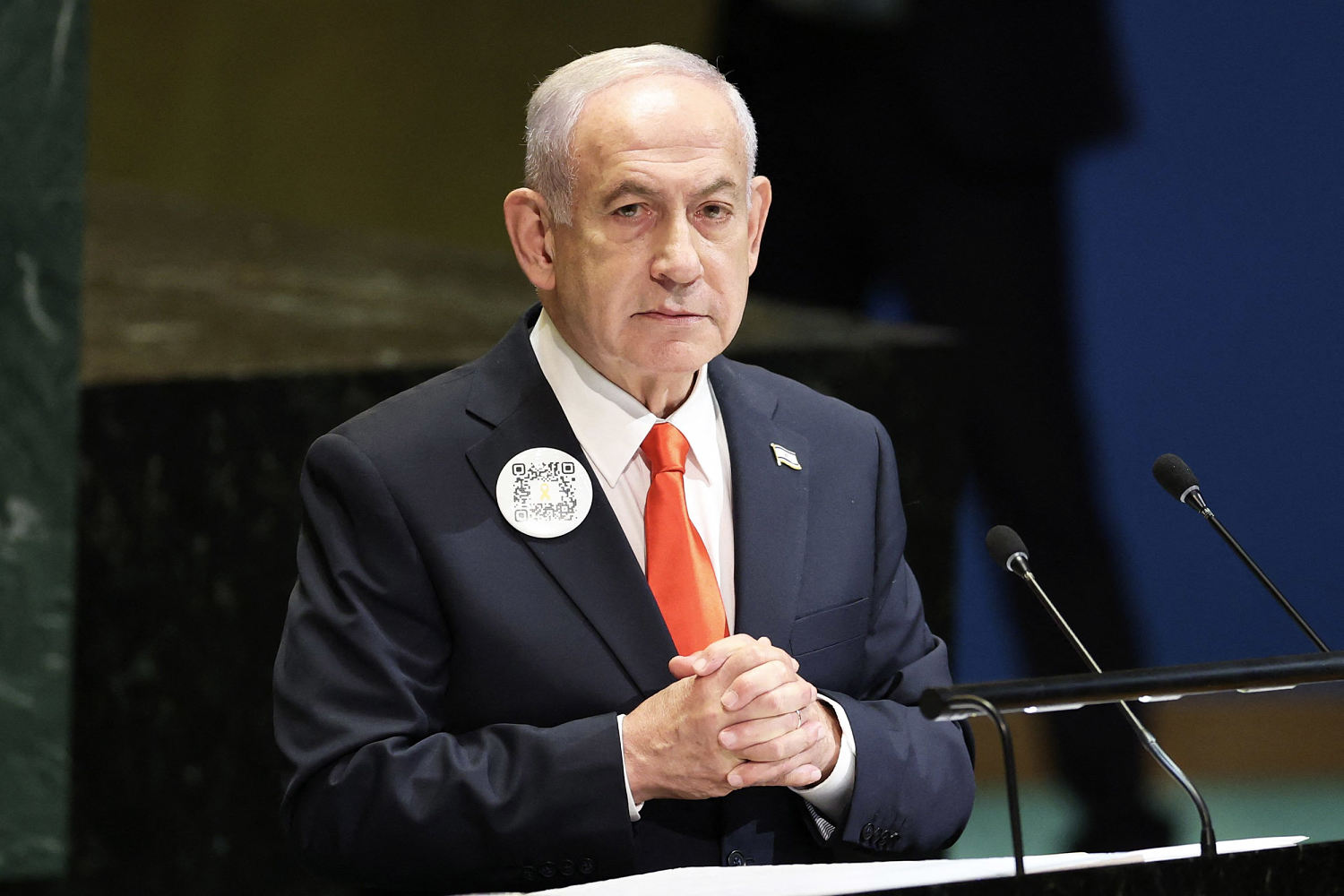
Image via NBC News
Netanyahu addresses U.N. with shrinking diplomatic room and a home audience in mind
Israeli Prime Minister Benjamin Netanyahu is taking the U.N. General Assembly stage amid growing global isolation and intensifying pressure over Israel’s military campaign and regional posture. While the formal setting is international, the political reality is domestic: Netanyahu’s most important audience is Israeli voters and the coalition dynamics that determine his political survival.
Many governments are pushing for tighter constraints on Israel’s operations and more credible pathways to de-escalation, while Israel and its supporters emphasize security imperatives and the continuing threat from militant groups and hostile regional actors. Netanyahu’s challenge is to defend Israel’s strategy abroad while persuading Israelis that international criticism will not translate into strategic vulnerability.
✓ The Bottom Line: Israel has a legitimate right to defend itself, but it is not cost-free diplomatically or strategically to treat global opinion as irrelevant. Netanyahu’s posture increasingly looks aimed at short-term coalition politics rather than building the international bandwidth Israel may need for deterrence, reconstruction, and any durable endgame. A serious plan for post-conflict governance and civilian protection would strengthen Israel’s case far more than speeches do.
📎 NBC News
Oil rises as U.S. and Iran trade threats and hint at widening a 7-month war
Oil prices are moving higher again as the United States and Iran exchange warnings about expanding a conflict now in its seventh month. President Trump has warned of catastrophic consequences, while Iranian officials have signaled the possibility of opening a "new front," stoking fears of broader regional disruption.
Markets are reacting to the classic risk factors: shipping lanes, infrastructure vulnerability, and the possibility of miscalculation as rhetoric hardens. Even if neither side wants a full-scale war, escalation ladders can form quickly when deterrence messages are public, maximalist, and politically hard to walk back.
✓ The Bottom Line: The most immediate damage from loose talk is economic: higher oil prices function like a tax on working families and a drag on growth. Deterrence matters, but credibility is stronger when paired with clear off-ramps and quiet channels that reduce the odds of an accidental spiral. If talks are resuming, Washington should use them to lock in verifiable limits and crisis-management mechanisms, not just headlines.
📎 CBS News
That’s the day’s signal over noise. We’ll be watching the court fight over press access, the farm-state politics behind trade policy, and whether Middle East rhetoric cools before it hits supply lines.
— Brief Updates Editorial