Today’s Sponsor
Markets are shifting — and most investors are missing it. The free Market Shift Report + Real-Time Watchlist breaks down exactly what's moving right now: policy impacts on economic trends, the return of supply-chain concerns, and what mixed consumer signals mean for the next quarter.
This complimentary report is only available for a limited time while these patterns are still developing. Don't get caught flat-footed — access it now before it's gone.
Get the Free Market Shift ReportWe encourage readers to perform their own research and due diligence on any information provided. By clicking the link above, you will automatically be subscribed to the Market Crux Newsletter. Privacy Policy

Tuesday, June 9, 2026 — A fair, well-rounded look at today’s news, with the context that matters and the spin left out.
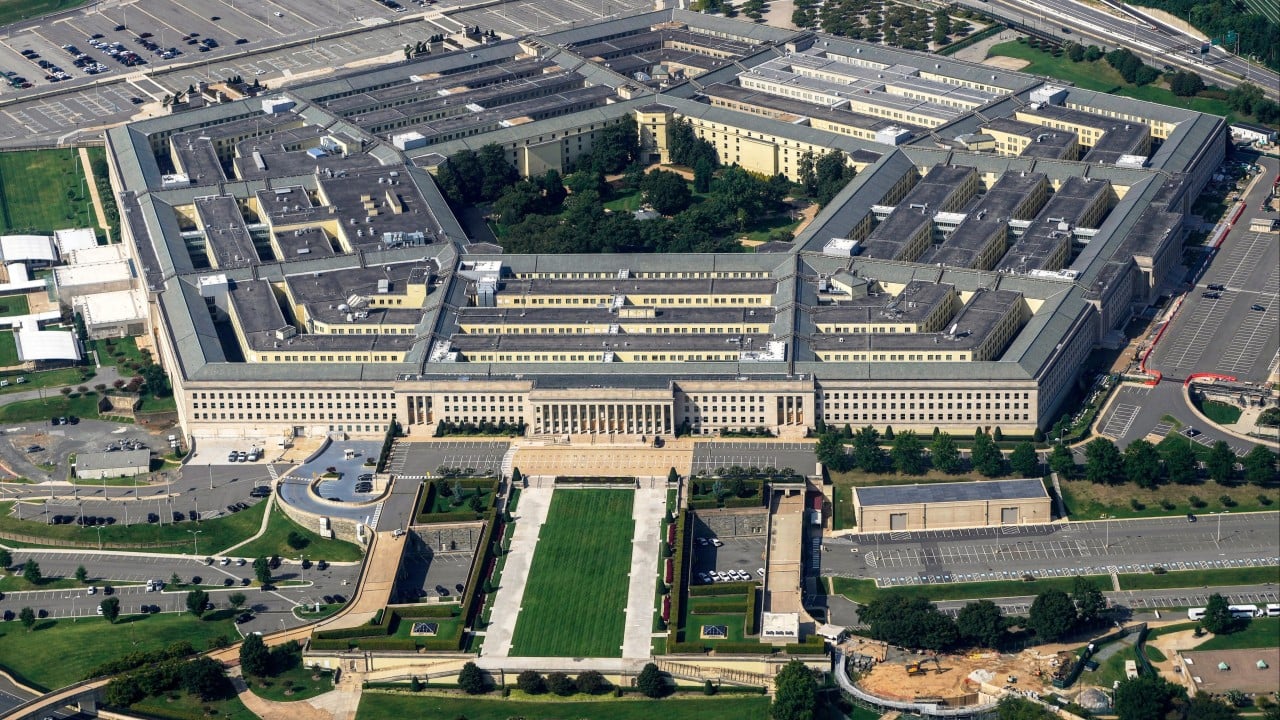
Image via South China Morning Post
Pentagon blacklist grows, putting Chinese tech names back in investors’ crosshairs
The Pentagon’s expanding list of Chinese companies it says have ties to China’s military is amplifying reputational and compliance risks for major Chinese technology firms, and it is reviving concerns that Washington could eventually pair the designations with tighter U.S. investment restrictions. Even when the list does not automatically trigger immediate sanctions, the practical effect can be similar: banks, index providers, asset managers, and corporate partners often reassess exposure when a firm is labeled as military-linked.
The larger backdrop is a widening U.S.-China tech and capital decoupling effort that has increasingly focused on not only export controls and supply chains, but also capital flows and portfolio investment. Any move from “naming and shaming” toward formal investment curbs would likely tighten funding conditions for affected firms, raise the cost of capital, and complicate global expansion plans—while also increasing compliance burdens for U.S. and allied investors trying to navigate overlapping U.S., European, and domestic Chinese rules.
Read the full story at South China Morning Post →

Image via Yahoo Finance
Chip stocks rebound again as Micron and Marvell lead a second-day bounce
Semiconductor shares extended a rebound for a second session, with Micron and Marvell among the leaders as investors rotated back into parts of the sector after a recent pullback. The move fits a familiar pattern for chips: sharp selloffs can be followed by equally sharp bounces when buyers decide expectations have reset enough to justify re-entry, particularly in names tied to AI infrastructure and data-center demand.
Still, two days of gains do not settle the bigger question hanging over the group—whether the next leg is driven by fundamentals (orders, margins, and guidance) or by positioning and sentiment. The sector remains sensitive to rates, any changes in AI capex expectations from hyperscalers, and Washington’s evolving approach to China-related chip restrictions, all of which can quickly swamp stock-specific stories.
Read the full story at Yahoo Finance →

Image via France 24
France bars Israel’s finance minister, citing remarks on Gaza ‘recolonisation’ and annexation
France says it is banning Israel’s Finance Minister Bezalel Smotrich from entering the country, sharply criticizing his rhetoric on Gaza and his past calls supporting annexation in the West Bank and expanded settlement activity. The move is a notable escalation in tone from a major European power at a moment when the Gaza war and the future governance of the territory remain central points of diplomatic strain.
Paris is signaling that inflammatory statements by senior officials can carry direct consequences—especially when they touch on annexation or permanent territorial changes, which most European governments view as incompatible with international law and a negotiated two-state outcome. Israel’s government and supporters are likely to argue that such bans are counterproductive and one-sided, while France and backers of the measure will frame it as a line-drawing exercise aimed at deterring ideas that would foreclose any political settlement.
Read the full story at France 24 →
Caracas streets fill with calls for free elections as opposition pressure builds
Crowds of Venezuelan workers, students, and opposition supporters marched in Caracas demanding free elections, with demonstrators moving toward the U.S. Embassy amid heightened political tension. The public turnout underscores both deep economic and political frustration and the opposition’s effort to project momentum in the face of state pressure and constraints on political competition.
For the Maduro government, large demonstrations are a familiar challenge that can be met with a mix of policing, legal tactics, and messaging that portrays opponents as foreign-backed. For the opposition, street mobilization can draw attention and energize supporters, but it does not by itself guarantee institutional change—especially in an environment where electoral rules, media access, and security forces remain heavily tilted toward incumbents.
Read the full story at Al Jazeera →

Image via ABC News
Iran conflict updates: rescue at sea as U.S. widens role with major strikes
Iran-related hostilities continued to generate rapid developments, including a reported rescue of helicopter pilots by an unmanned boat, according to an official cited in live updates. The episode highlights how quickly the conflict has expanded across domains—air, sea, and unmanned systems—with tactical incidents now carrying strategic messaging value on both sides.
The broader escalation remains centered on Washington’s decision to launch “major combat operations” against Iran beginning Feb. 28, alongside large-scale joint U.S.-Israeli strikes, as described by President Donald Trump. The immediate implications are heightened regional risk, potential disruptions to shipping and energy markets, and a narrowing diplomatic off-ramp; even limited incidents can become accelerants when both sides are operating at higher tempo and lower trust.
Read the full story at ABC News →
That’s the day’s brief: big-power pressure on capital and tech, markets trying to find their footing, and geopolitical decisions that keep raising the temperature.
— Brief Updates Editorial