Today’s Sponsor
The biggest AI wins come from companies you don't hear about every day. Like the database provider now embedded into all three major cloud platforms with access to 90% of the market, or the chip giant holding 80% of the AI data center market.
Our 10 Best AI Stocks to Own in 2026 reveals these hidden winners plus a plucky challenger with 28% revenue growth forecasts, a multi-cloud operator with analyst targets near $440, and 6 other AI stocks set to explode. Get the complete list while it's still free.
Get the Free ReportBy clicking the link, you agree to join MarketBeat emails and unlock complimentary insights from select partners. Privacy Policy

A suspected hantavirus outbreak on an Atlantic cruise ship has killed three and sickened others, while U.S. politics, UAP transparency demands, EU climate policy shifts, and renewed tariff threats highlight today’s broader risk and governance landscape.
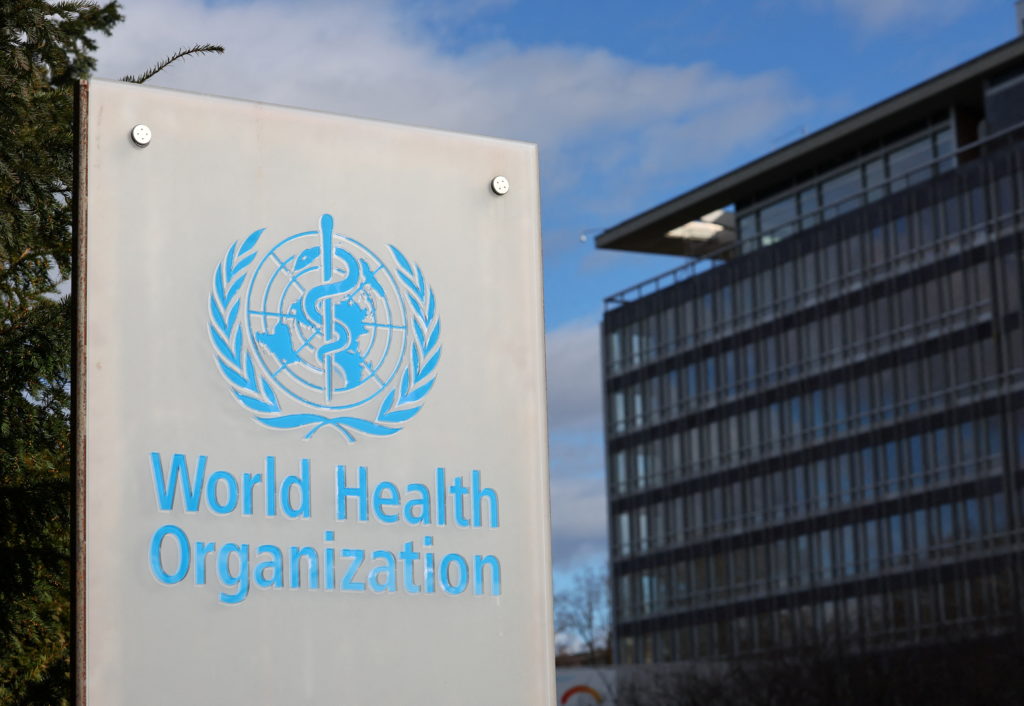
Image via PBS NewsHour
Suspected Hantavirus Outbreak on Atlantic Cruise Ship Leaves 3 Dead, WHO Says
A suspected outbreak of hantavirus infection aboard a cruise ship in the Atlantic has killed three people and sickened at least three others, according to the World Health Organization. Hantavirus is rare and typically linked to exposure to infected rodent droppings or urine; it is not commonly associated with outbreaks on ships, which is why health authorities are treating the situation as unusual and potentially serious.
WHO said the cases are “suspected,” signaling that investigations and lab confirmations may still be underway. If the source is environmental contamination on the vessel (food storage areas, ventilation spaces, cargo, or port-side exposure), the immediate implications are for shipboard sanitation, pest control, and isolation protocols—along with passenger notification and contact tracing coordinated across jurisdictions.
Read the full story at PBS NewsHour →

Image via Roll Call
Democrats Expand “Red to Blue” List as They Hunt for House Pickup Opportunities
House Democrats’ campaign arm added eight more seats to its “Red to Blue” program, a sign the party sees a wider map of competitive districts heading into November. The program typically directs fundraising help, field support, and national attention to candidates viewed as credible contenders—sometimes in seats that require strong recruits, favorable turnout, or a national environment that breaks their way.
Among the newly named candidates is Tejano singer Bobby Pulido, running in Texas’ 15th District, underscoring Democrats’ continued focus on candidate recruitment and Latino outreach in South Texas. Republicans, for their part, argue the expanded list is more about signaling momentum to donors than reflecting true battlegrounds—especially given the GOP’s structural advantages in many districts and the tendency for “wish-list” races to fade late in the cycle.
Read the full story at Roll Call →

Image via Fox News
UFO Commentator Presses Pentagon to Release Videos, Claims Craft Outmaneuver U.S. Forces
Journalist Jeremy Corbell warned on Fox News that unidentified aerial phenomena (UAP) are operating in restricted airspace and “outmaneuvering” U.S. military capabilities, while urging the Pentagon to release 46 classified videos he says could clarify what service members have encountered. His comments tap into a growing public appetite for transparency, fueled by prior Navy videos and congressional interest in improving reporting channels for pilots and operators.
The key challenge is separating verified data from speculation. The Pentagon has acknowledged some incidents remain unresolved, but that does not automatically imply exotic technology; misidentification, sensor artifacts, classified U.S. programs, or foreign drones can explain some sightings. Still, the underlying policy issue is real: persistent incursions into restricted airspace—whatever the objects are—represent a security and counterintelligence problem that demands better detection, attribution, and disclosure standards.
Read the full story at Fox News →
EU Looks to Expand Free Carbon Permits for Industry Amid Competitiveness Concerns
The European Union is planning to allocate more free carbon permits to industry, a shift aimed at limiting “carbon leakage” as manufacturers face higher energy and compliance costs. The move reflects mounting political pressure to protect industrial output and jobs while the bloc continues its broader push toward emissions reductions under its climate framework.
More free allowances can cushion near-term costs for steel, cement, chemicals, and other energy-intensive sectors, but it also risks diluting price signals intended to drive decarbonization. The policy debate now centers on how to balance competitiveness with credibility—especially as the EU rolls out its carbon border adjustment mechanism and tries to ensure domestic firms aren’t simply subsidized without measurable progress.
Read the full story at Bloomberg →
Trump Threatens 25% Tariff on EU Autos, Citing Alleged Noncompliance With Trade Terms
Former President Donald Trump said he would impose a 25% tariff on autos from the European Union, accusing the bloc of failing to comply with a trade deal. The threat revives a familiar playbook: using tariff leverage to force concessions and to signal a tougher posture on trade deficits and industrial policy—particularly in politically salient sectors like autos and parts.
The economic stakes are significant. Tariffs of this size can raise vehicle prices, disrupt supply chains that span the Atlantic, and invite retaliation against U.S. exporters—especially agriculture and manufactured goods. Even before any formal action, the threat itself can change corporate planning and investment decisions, and it adds uncertainty for markets already watching for a renewed cycle of U.S.-EU trade friction.
Read the full story at AP News →
Brief Updates — clear facts, sharper context, no wasted words.
— Brief Updates Editorial