Today’s Sponsor
With government debt soaring and inflation still biting, smart investors aren't waiting for volatility to hit — they're preparing now. The Gold Wealth Blueprint breaks down exactly how gold has historically shielded portfolios during periods of fiscal strain and market uncertainty.
Inside, you'll discover why gold moves differently than paper assets, how to use it as a practical hedge, and how to size your exposure without overcommitting. It's concise, actionable, and free — but don't sit on it.
Get the Free Gold Wealth BlueprintBy following the link above, you're choosing to opt in to receive insightful updates from Investor News + 2 free bonus subscriptions. Your privacy is important to us. You can unsubscribe anytime. See our privacy policy for details.

Five developments to watch: Russia escalates strikes on Ukraine’s capital, Washington’s fiscal math breaks new ground, Beijing’s enforcement push rattles wealthy families, GOP donor politics heats up, and a diplomatic rift widens over aid worker deaths.

Image via ABC News
Kyiv reels after a major Russian missile-and-drone barrage, Zelenskyy says at least 15 killed
Ukraine’s President Volodymyr Zelenskyy said a “massive” Russian strike hit Kyiv Wednesday night, killing at least 15 people and injuring more than 40. The attack combined missiles and drones, continuing a pattern of large, mixed-salvo strikes designed to saturate air defenses and hit multiple targets in a short window.
The latest death toll underscores the strategic logic Moscow has leaned on throughout the war: inflict steady civilian pressure, degrade infrastructure, and force Ukraine to spend scarce interceptors. For Kyiv, the political message is also clear. Ukraine is pressing allies for additional air-defense systems and munitions, arguing that protecting cities is inseparable from holding the front lines.
Even as Russia claims military objectives, repeated strikes producing high civilian casualties keep tightening the moral and diplomatic vise on Moscow. The immediate implication for the West is familiar but still unresolved: whether partners can increase deliveries quickly enough to match the tempo of attacks, and whether stockpiles and production can keep up through another winter cycle.
Source: ABC News
Read the full story at ABC News →
US national debt tops $40 trillion, putting interest costs front and center
The U.S. national debt has surpassed $40 trillion, another record that highlights how structurally imbalanced federal finances have become. The milestone arrives as Washington continues to run large deficits even outside recession conditions, with mandatory spending and debt-service costs consuming a growing share of the budget.
The number itself is a blunt instrument, but the trend line matters: higher interest rates over the past few years mean refinancing and new borrowing are substantially more expensive than in the near-zero era. That creates a budget squeeze even before Congress debates any new initiatives, and it limits flexibility in a downturn or a national-security emergency.
Politically, the debt mark will fuel familiar arguments. Democrats typically emphasize revenue and protecting major benefit programs; Republicans stress spending restraint and long-term reforms. The harder reality is arithmetic: absent changes to taxes, benefits, and discretionary spending, debt service will keep crowding out priorities—whether that’s defense, infrastructure, or basic government operations.
Source: AP
China’s tax enforcement push puts offshore trusts under fresh scrutiny for wealthy families
China’s tightening tax crackdown is prompting wealthy investors to re-examine offshore trust structures, as authorities expand enforcement tools and signal a tougher stance on cross-border wealth planning. The focus is not new—Beijing has long criticized perceived loopholes—but the intensifying compliance pressure is pushing advisers and families to reassess risk, documentation, and potential exposure.
Offshore trusts and similar vehicles have been used across Asia for estate planning, asset protection, and confidentiality. China’s message appears to be that what once sat in a gray zone may now be treated more aggressively, especially if authorities believe income or gains should have been reported domestically. That raises the prospect of penalties, back taxes, and a broader chill around moving capital through complex structures.
The broader implication is confidence: when enforcement sharpens without transparent, predictable rules, it can make high-net-worth investors more cautious about deploying capital—at home and abroad. For Beijing, stronger collection and perceived fairness are political wins, but overreach risks accelerating the very behaviors China says it wants to curb, including capital flight and reduced private-sector risk-taking.
Source: Reuters
Read the full story at Reuters →
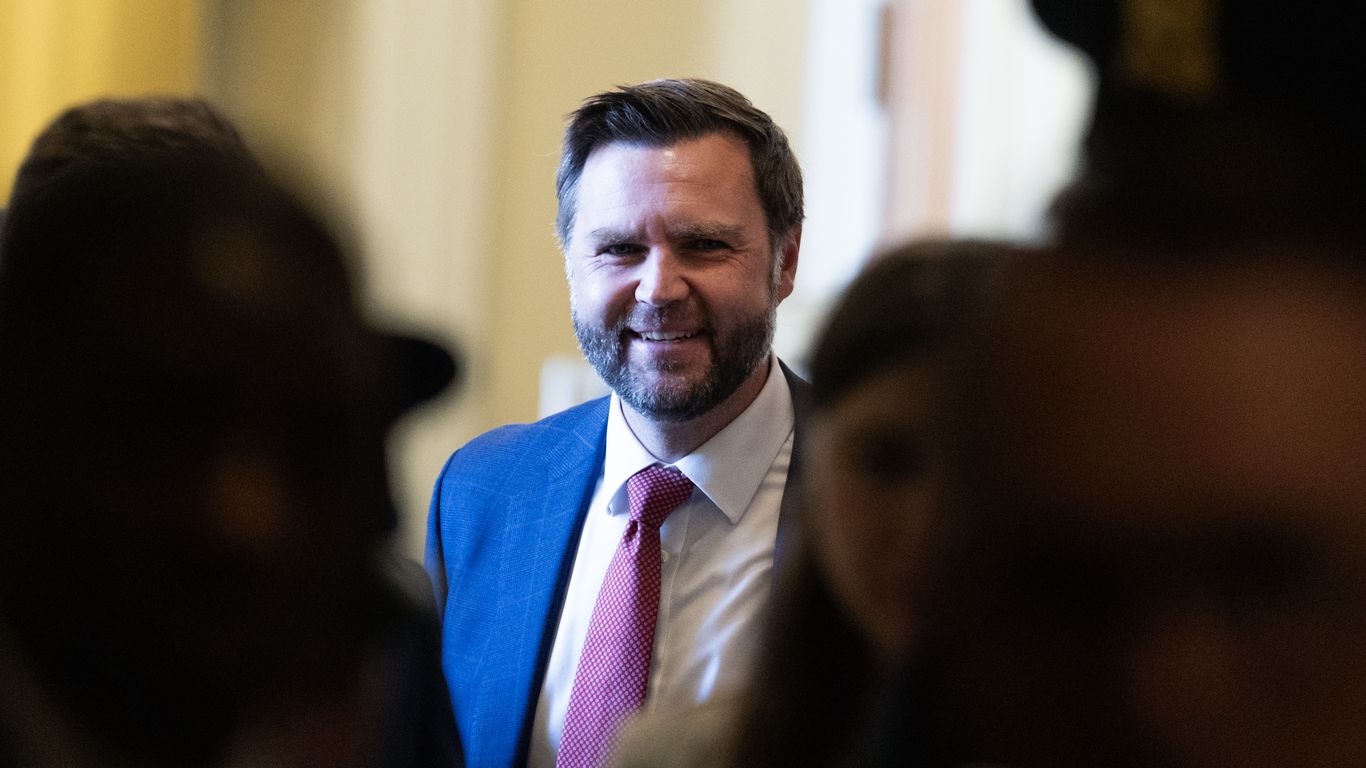
Image via Axios
Vance headlines Hamptons fundraiser, bringing in over $5 million from young GOP donors
Vice President J.D. Vance hosted a Wednesday evening fundraiser in Southampton, New York, that raised more than $5 million from young Republican donors, according to Axios. The event highlights how the White House is investing in donor cultivation beyond traditional finance and energy circles, with an emphasis on next-generation networks and high-dollar bundling.
Fundraisers like this serve two purposes: they replenish campaign and allied political accounts, and they reinforce status and access within the party. For Vance personally, it also sharpens his profile as both an administration standard-bearer and a connector to newer donor factions—particularly in tech-adjacent and entrepreneurial circles that have been more politically fluid in recent cycles.
The underlying takeaway is organizational. Money doesn’t guarantee persuasion, but it buys time, staffing, data, and rapid response—especially in an environment where legal challenges, ballot fights, and messaging wars are constant. Republicans are clearly signaling they want to lock in financial advantages early, while Democrats will be watching whether this donor lane becomes a durable part of the GOP coalition.
Source: Axios
Read the full story at Axios →

Image via France 24
Australia says it’s “outraged” after Israel closes probe into killings of aid workers, diplomat says ties are “difficult”
Australia’s Foreign Minister Penny Wong said Canberra was “outraged” and that relations with Israel were “difficult” after Israel decided to close a probe into the killings of aid workers, including Australian aid worker Lalzawmi “Zomi” Frankcom. The remarks reflect a sharpening diplomatic dispute over accountability, transparency, and the rules governing military operations in conflict zones.
The deaths of humanitarian workers have become a flashpoint in allied capitals because they strike at a core expectation: that militaries operating in dense environments take extraordinary care to deconflict and protect clearly identified aid movements. When investigations end without outcomes that satisfy partner governments, the political costs often fall not only on bilateral ties but also on broader coalition support.
Israel has argued in similar cases that it investigates incidents and that combat conditions are complex, while critics—including humanitarian groups and some allied officials—say internal processes often lack independence and deterrent effect. For Australia, the immediate issue is accountability for an Australian citizen; the broader issue is whether partners can sustain political support for Israel’s operations when confidence in oversight erodes.
Source: France 24
Read the full story at France 24 →
That’s Brief Updates for Thursday. We’ll be watching for follow-through: air-defense deliveries for Ukraine, a real fiscal reform conversation in Washington, Beijing’s next enforcement steps, and whether the Australia-Israel rift widens into policy changes.
— Brief Updates Editorial