Today’s Sponsor
The AI revolution is here—and I've identified 9 powerhouse companies with real US operations, proven revenue growth, and deep AI integration that are primed to dominate. From a hidden chip maker set to power domestic AI manufacturing to a cloud provider ready for explosive growth, these aren't the tired "AI hype" stocks everyone's talking about.
The smart money is already watching, and once they move, these stocks could soar. Don't be the last to catch this wave—get the complete details on all 9 game-changing companies in my FREE report before opportunity passes you by.
Get the Free ReportBy clicking this link you agree to receive emails from StockEarnings and our affiliates. You can opt out at any time. Privacy Policy.

Oil jumps on heightened geopolitical risk, while U.S. politics, Gulf oil strategy, the Israel-Lebanon border campaign, and an OpenAI courtroom battle reshape key narratives.
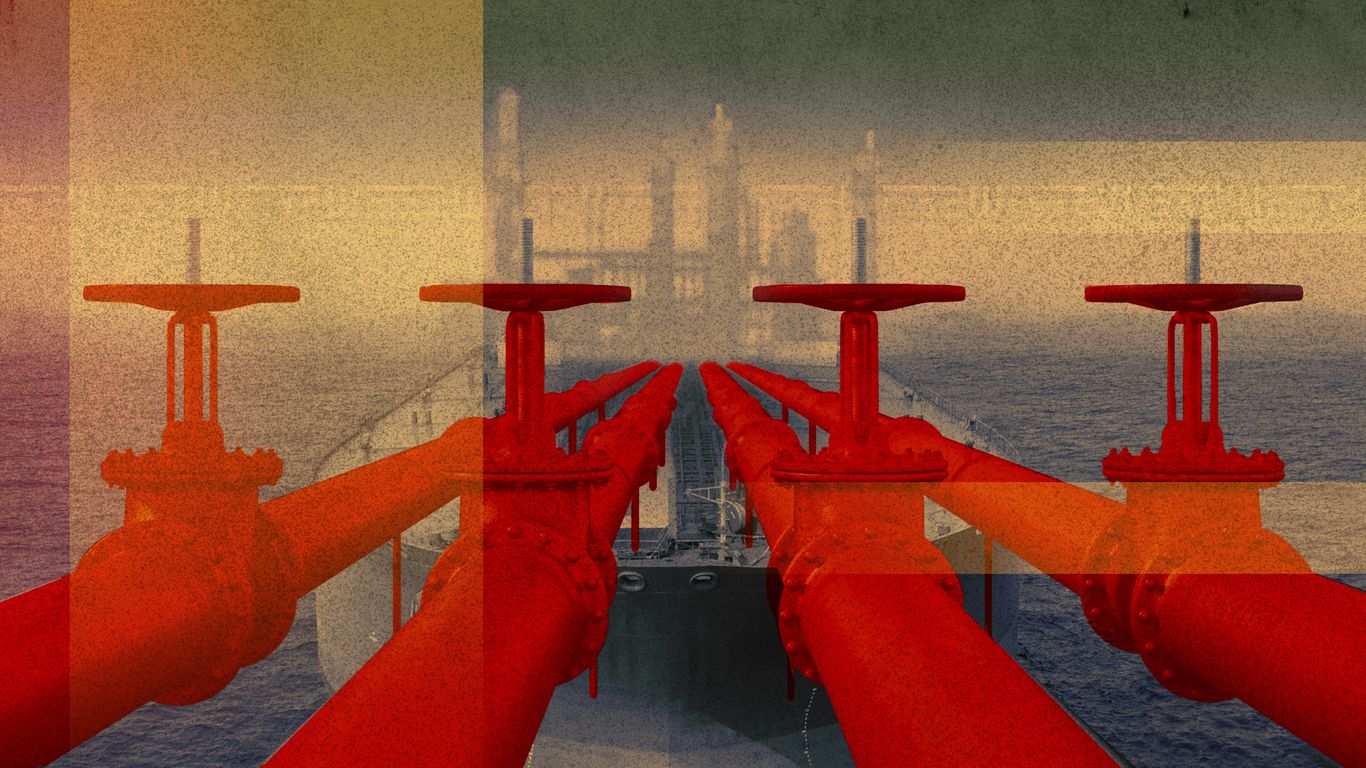
Image via Axios
Oil Spikes to War-Era Highs as Traders Price in Supply Risk
Oil prices hit their highest levels overnight since the Iran war began, with Brent crude briefly topping $126 a barrel before easing Thursday morning. The jump underscores how quickly markets reprice geopolitical risk when shipping routes, production facilities, or sanctions enforcement look more threatened—even if no major supply disruption has yet been confirmed.
The move matters well beyond energy traders. Higher crude typically filters into gasoline and diesel with a lag, raising transportation and input costs across the economy and complicating the outlook for inflation and interest rates. For U.S. and allied policymakers, the price spike also increases pressure to coordinate releases from strategic reserves, tighten maritime security, or adjust sanctions policy—steps that can carry their own political and diplomatic costs.
Read the full story at Axios →

Image via The Hill
Maine Gov. Janet Mills Suspends Senate Bid, Reshaping a Key Race
Gov. Janet Mills (D) announced Thursday that she is suspending her campaign for the U.S. Senate, a significant shake-up in a state where retail politics and candidate brand matter. Mills has been one of Maine Democrats’ most recognizable figures, and her exit introduces immediate uncertainty about who can consolidate support and fundraising.
The decision also changes the strategic map for both parties. Democrats will weigh whether to rally quickly around an alternative to avoid a protracted primary, while Republicans will watch for an opening to frame the race around national issues such as inflation, border enforcement, and public safety—messages that can travel even in a state with an independent streak.
Read the full story at The Hill →
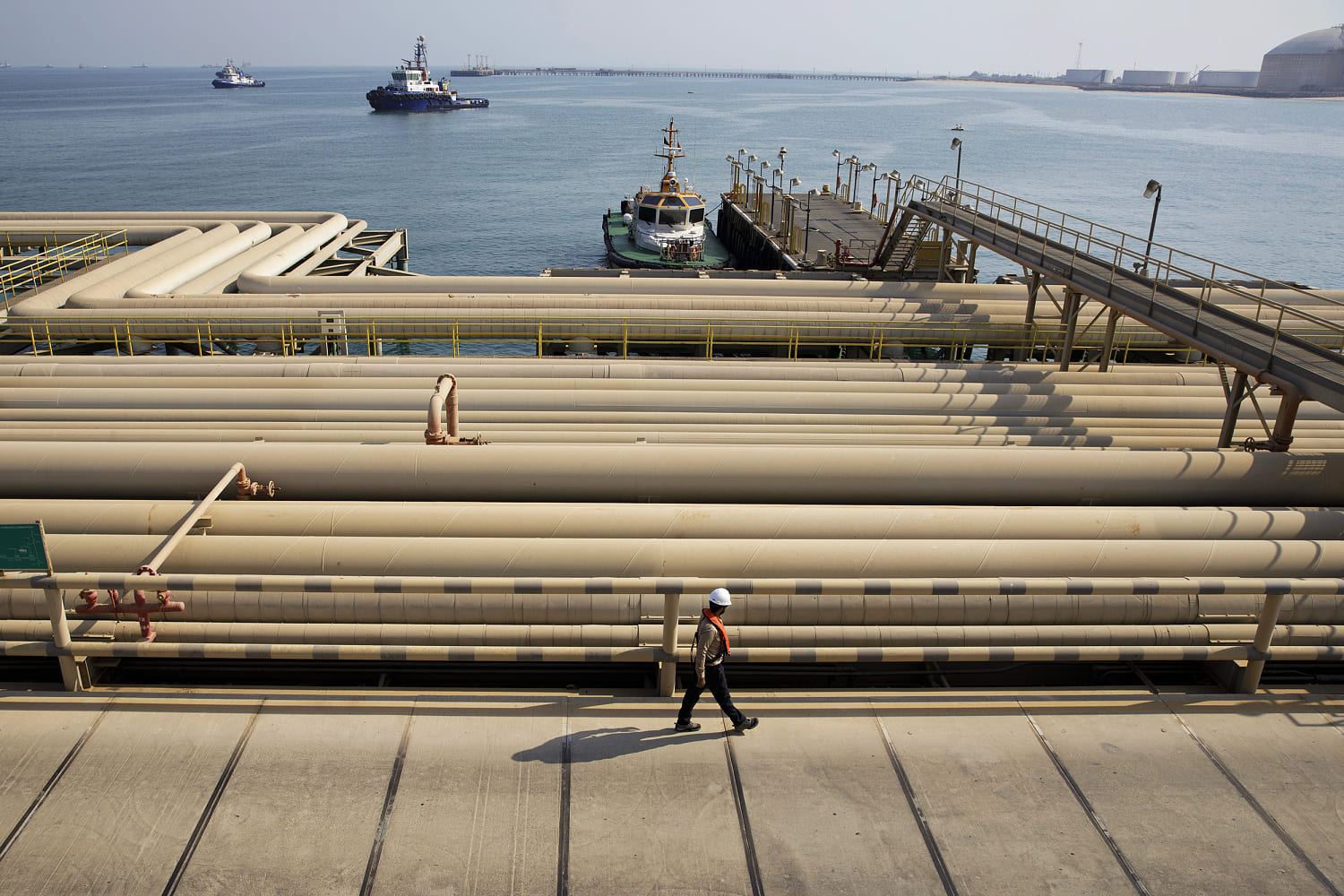
Image via NBC News
“Little Sparta” and the UAE’s Independent Oil Play Rattle Gulf Assumptions
The United Arab Emirates has earned a reputation among some U.S. officials as “Little Sparta”—a nod to its muscular, independent approach to regional security and statecraft. Now that independence is increasingly visible in energy policy as well, where the UAE has shown a willingness to pursue its own oil strategy rather than reflexively hew to Gulf consensus.
The practical effect is more complexity for Washington and for global markets. The UAE’s capacity investments and production choices can influence OPEC+ cohesion, price volatility, and the leverage that major producers wield during crises. For the Gulf, it’s another sign that alliances and coordination—especially on oil—are becoming more transactional than automatic.
Read the full story at NBC News →
Southern Lebanon Towns Lie in Ruins as Israel Expands Destructive Border Campaign
Towns and villages in southern Lebanon near the Israeli border have been largely destroyed by Israeli strikes and demolitions, according to reporting from the area. Israel says it is targeting Hezbollah infrastructure and positions, arguing that the armed group’s presence near the border requires sustained operations to push threats away from Israeli communities.
The destruction echoes patterns seen in Gaza—large-scale damage to civilian areas amid a campaign focused on militant networks embedded in populated zones. The humanitarian and political fallout is likely to intensify international scrutiny, while the security reality on the ground raises the risk of deeper escalation between Israel and Hezbollah, a conflict that could draw in Iran and further destabilize energy markets and regional diplomacy.
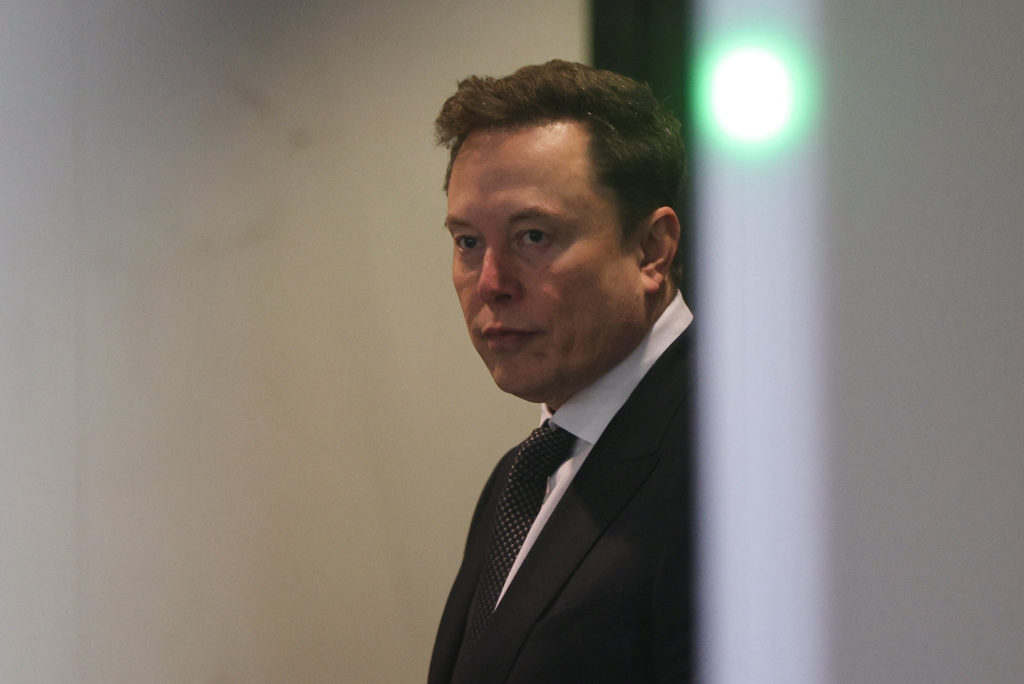
Image via PBS NewsHour
Musk Testifies in OpenAI Trial, Deepening Scrutiny of Tech’s Most Powerful Lab
Elon Musk testified for a second day in a closely watched trial centered on OpenAI’s origins and its evolution into a commercial powerhouse. Musk, an early OpenAI co-founder, is pressing claims that the organization departed from its founding mission, setting up a direct legal and reputational clash with CEO Sam Altman.
Beyond the personalities, the case is a stress test for how courts interpret nonprofit governance, founder intent, and fiduciary duties when world-changing technology collides with enormous capital needs. The trial is also likely to shape how future AI ventures structure control, partnerships, and accountability—especially as policymakers push for clearer guardrails on advanced models.
Read the full story at PBS NewsHour →
Brief Updates — Back tomorrow with a fair, well-rounded look at what matters.
— Brief Updates Editorial