Today’s Sponsor
Policy is already moving markets in 2026 — trade enforcement, regulatory shifts, and tax positioning are redirecting capital right now. Institutions reposition before the headlines catch up, and the window to act early is closing fast.
Our analysts identified 5 stocks showing real momentum tied directly to current administration policy themes — including the sectors benefiting most from domestic investment trends and regulatory tailwinds. Don't get left behind.
Get the Free Report Now(By following any of the links above, you're choosing to opt in to receive insightful updates from The Investment News Daily + 2 free bonus subscriptions! Your privacy is important to us. You can unsubscribe anytime. See our privacy policy for details.)

Stocks tick up on easing war fears, but Tehran rejects Washington’s timeline for talks. Meanwhile, an internal DOJ funding fight and stalled Venezuela plans raise fresh questions about governance and energy strategy.

Image via Yahoo Finance
Futures Rise as Trump Calls Off Iran Strike and Oil Cools
U.S. stock index futures moved higher early Monday as investors priced in a lower risk of near-term military escalation after President Trump said he called off a planned attack on Iran. The shift eased some of the worst-case fears that had been hanging over markets, particularly around potential disruptions to global energy supply routes.
The relief rally was helped by falling crude prices, which can act like a tax cut for consumers and businesses when sustained. Even so, traders are likely to treat this as a headline-driven market: any renewed signals of escalation, shipping risk, or retaliatory threats could quickly reintroduce volatility across energy, defense, and travel-sensitive names.
Source: Yahoo Finance
Read the full story at Yahoo Finance →
Iran Rejects Trump’s Claim That U.S.-Iran Talks Start Today
Iran said Monday it has no plans to hold direct negotiations with the United States, undercutting President Trump’s assertion that talks would begin today and that a “deal is imminent.” Tehran’s denial adds uncertainty to what markets and allies are trying to understand: whether the White House is signaling real diplomatic movement or attempting to shape expectations after stepping back from military action.
The dispute matters because the practical risk picture depends less on rhetoric than on verifiable steps, such as confirmed channels, agreed agendas, and de-escalation measures on the ground. Until those details are publicly corroborated, investors and regional partners will likely assume the situation remains fluid, with a persistent chance of miscalculation even if both sides claim to prefer restraint.
Source: CBS News
Read the full story at CBS News →
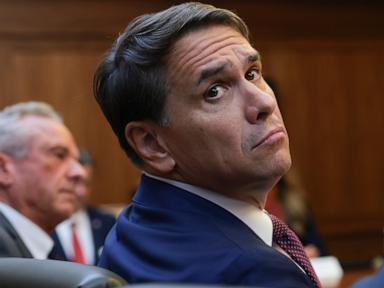
Image via ABC News
Blanche Pulls ‘Anti-Weaponization Fund’ as Confirmation Fight Intensifies
ABC News reports that Blanche rescinded President Trump’s “Anti-Weaponization Fund” amid pressure tied to the attorney general confirmation process. The move appears designed to reduce friction with key Senate Republicans whose support is needed to advance the nomination and stabilize leadership at the Justice Department.
The episode highlights a recurring tension for administrations of either party: how to credibly promise reforms at DOJ without creating parallel funding or structures that look like political workarounds. Supporters of the fund framed it as a check on perceived politicization, while critics argued it risked politicizing the department further by hardwiring a partisan narrative into budgeting and operations.
Source: ABC News
Read the full story at ABC News →
Oil Drops Sharply After Trump Says He Halted Iran Strike
Oil prices fell Monday as traders pared back a geopolitical risk premium that had built on fears of U.S.-Iran conflict and potential disruption in the Middle East. After President Trump said he called off a planned attack on Iran, the market response was immediate: reduced probability of near-term supply shocks, lower insurance and shipping risk assumptions, and less urgency to hedge against worst-case scenarios.
Still, the underlying sensitivity remains high because the region’s key chokepoints and production infrastructure can move prices quickly on limited new information. If the diplomatic picture stays ambiguous or if proxy activity escalates, crude could rebound just as fast as it fell, particularly if shipping lanes or export capacity are threatened.
Source: CNBC
Image via Axios
Energy Department Faces Heat Over Slow-Moving Venezuela Oil Plans
The Energy Department is drawing criticism for the slow pace of progress on Venezuela-related oil arrangements, according to Axios, nearly eight months after President Trump predicted U.S. companies would rapidly help rebuild the country’s dilapidated oil industry and boost production. The lack of new petroleum deals so far undercuts a central premise of the plan: that faster investment and technical support could translate into meaningful new barrels on a politically useful timeline.
There are practical obstacles beyond rhetoric, including sanctions architecture, contractual risk, security concerns, and the simple reality that aging infrastructure takes time and capital to restore. The political complication is that Venezuela policy tends to collide with competing U.S. priorities: energy affordability, human-rights concerns, and regional diplomacy. Critics say the administration oversold speed and underestimated friction; defenders argue careful sequencing is necessary to avoid legal and reputational blowback.
Source: Axios
Read the full story at Axios →
That’s the state of play this Monday: calmer market pricing, murkier diplomacy, and energy policy running into real-world constraints. We’ll be watching for confirmation of any U.S.-Iran channel and for whether oil’s pullback holds once the next round of official statements hits the tape.
— Brief Updates Editorial