Today’s Sponsor
Oil markets are shifting as Venezuela's disruption removes critical barrels while spare capacity shrinks. Supply pressure is building before headlines catch up — and smart traders are positioning now.
Our exclusive briefing reveals three energy stocks emerging from this supply shock, plus the key signals to monitor as this setup evolves. This is about preparation, not prediction.
Get the Free Oil Trading ReportBy following the links above, you're opting in to receive valuable updates from Wealthiest Investor News plus 2 bonus subscriptions. Your privacy is important to us. You can unsubscribe anytime. See our privacy policy for details.

Monday, June 22, 2026 — The U.S. says Iran will let UN inspectors back in; Britain braces for a leadership handoff; Alan Greenspan’s long shadow over monetary policy returns to the spotlight; Andrew Cuomo joins a high-profile crypto-market venture; and AbbVie makes a $10.9B bet on an experimental eczema drug.
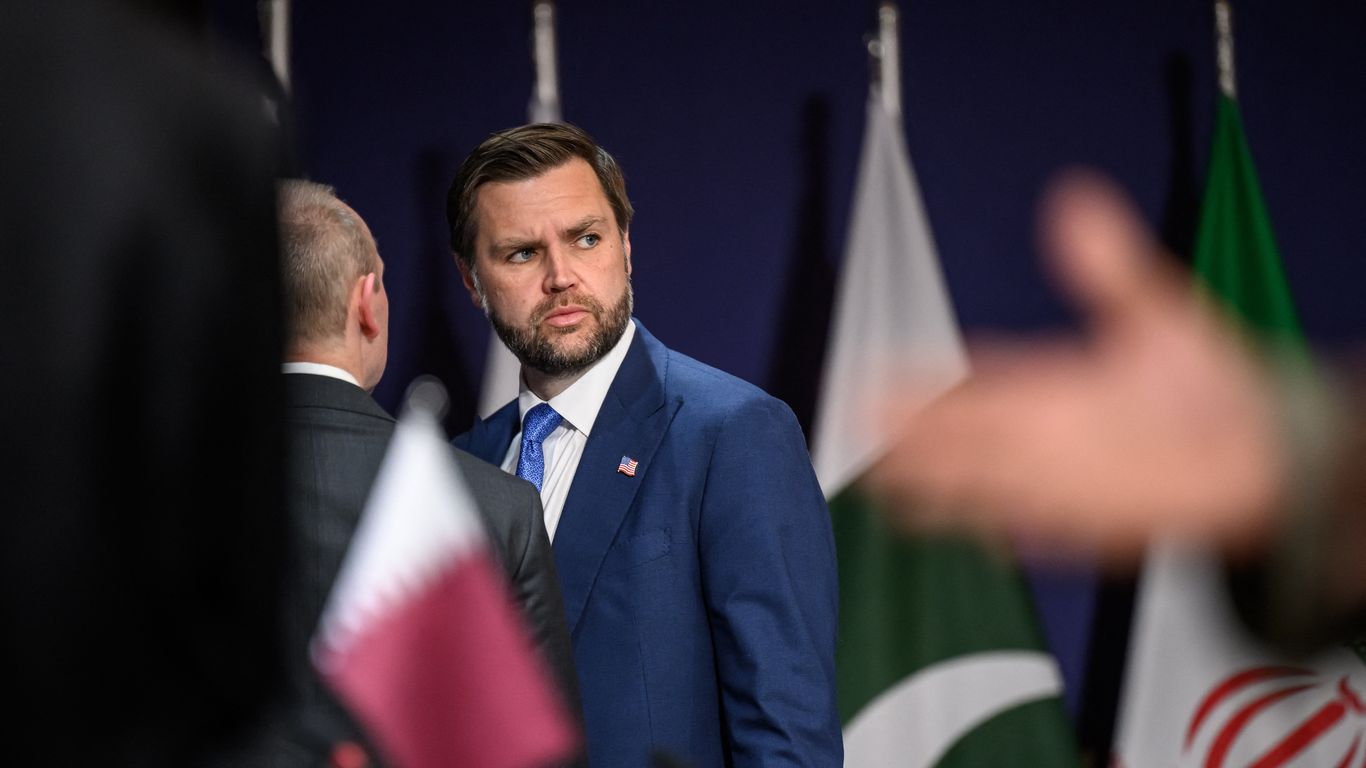
Image via Axios
U.S. says Iran will allow UN nuclear inspectors back in after first round of talks
Iran has agreed to invite International Atomic Energy Agency (IAEA) inspectors back into the country, Vice President JD Vance said Monday following the first round of renewed U.S.–Iran nuclear talks. The announcement, if implemented as described, would mark a meaningful shift from the recent pattern of restricted access and heightened uncertainty around Iran’s nuclear activities.
The immediate question is scope: when inspectors return, what sites will be accessible, under what terms, and how quickly the IAEA can verify inventories, enrichment levels, and the status of monitoring equipment. In past standoffs, agreements have sometimes produced partial access or delayed compliance that bought time politically without fully restoring transparency. Still, re-opening the inspection channel is typically a prerequisite for any durable diplomatic arrangement—and for reducing miscalculation risk in a region where intelligence gaps can turn into rapid escalation.
Markets and allies will also watch what comes next in the negotiating sequence: whether the talks move toward caps on enrichment and stockpiles, how sanctions relief is framed (if at all), and whether the U.S. is pursuing an interim confidence-building step or a broader framework. For now, the headline is verification: inspectors are only as valuable as their ability to see, measure, and report without obstruction.
Read the full story at Axios →
Starmer set to resign, opening a volatile succession fight in Britain
British Prime Minister Keir Starmer is expected to step down, setting off an immediate contest over the next leader and the direction of the government, according to live updates from Reuters. Manchester Mayor Andy Burnham has put himself forward as a potential successor, an early sign that the leadership race could become both ideological and regional—pitting Westminster power-brokers against figures with strong mandates outside London.
A resignation at the top typically triggers not just a personality swap but a policy reset, and the timing matters. Britain has been navigating stubborn cost-of-living pressures, strained public services, and a still-fractured political landscape after years of churn. A leadership change can bring fresh momentum, but it can also freeze decision-making as factions position for influence and markets reassess fiscal credibility.
What to watch: the speed of the leadership process, whether a clear favorite emerges, and how contenders talk about taxes, spending restraint, and growth strategy. Investors and allies will be listening for a signal that the next government—whoever leads it—can maintain coherence on budgets, regulation, and foreign policy rather than returning to the short-termism that has periodically rattled the UK in recent years.
Read the full story at Reuters →

Image via TODAY
Alan Greenspan dies at 100, leaving a contested legacy over modern central banking
Alan Greenspan, the former Federal Reserve chair who shaped U.S. monetary policy for nearly two decades, has died at 100, according to NBC’s TODAY. Greenspan led the Fed through the late Cold War era into the boom years of the 1990s and the early 2000s, becoming one of the most influential—and scrutinized—economic policymakers of the modern age.
Supporters credit Greenspan with helping deliver long expansions and taming inflation expectations, using a mix of rate policy and an almost theatrical style of communication that markets treated as a signal in itself. Critics argue his tenure also helped normalize a faith in self-correcting markets and light-touch oversight, contributing to excess risk-taking that later amplified financial instability. The debate isn’t merely historical: it still informs how officials think about asset bubbles, regulation, and the limits of central bankers’ predictive power.
Greenspan’s death is a moment to revisit how the Fed’s role evolved—from inflation-fighting to crisis response to today’s balancing act between price stability and labor-market strength. His era also helped cement the expectation that the central bank can and should cushion shocks, a belief that has shaped politics and markets ever since.
Read the full story at TODAY →
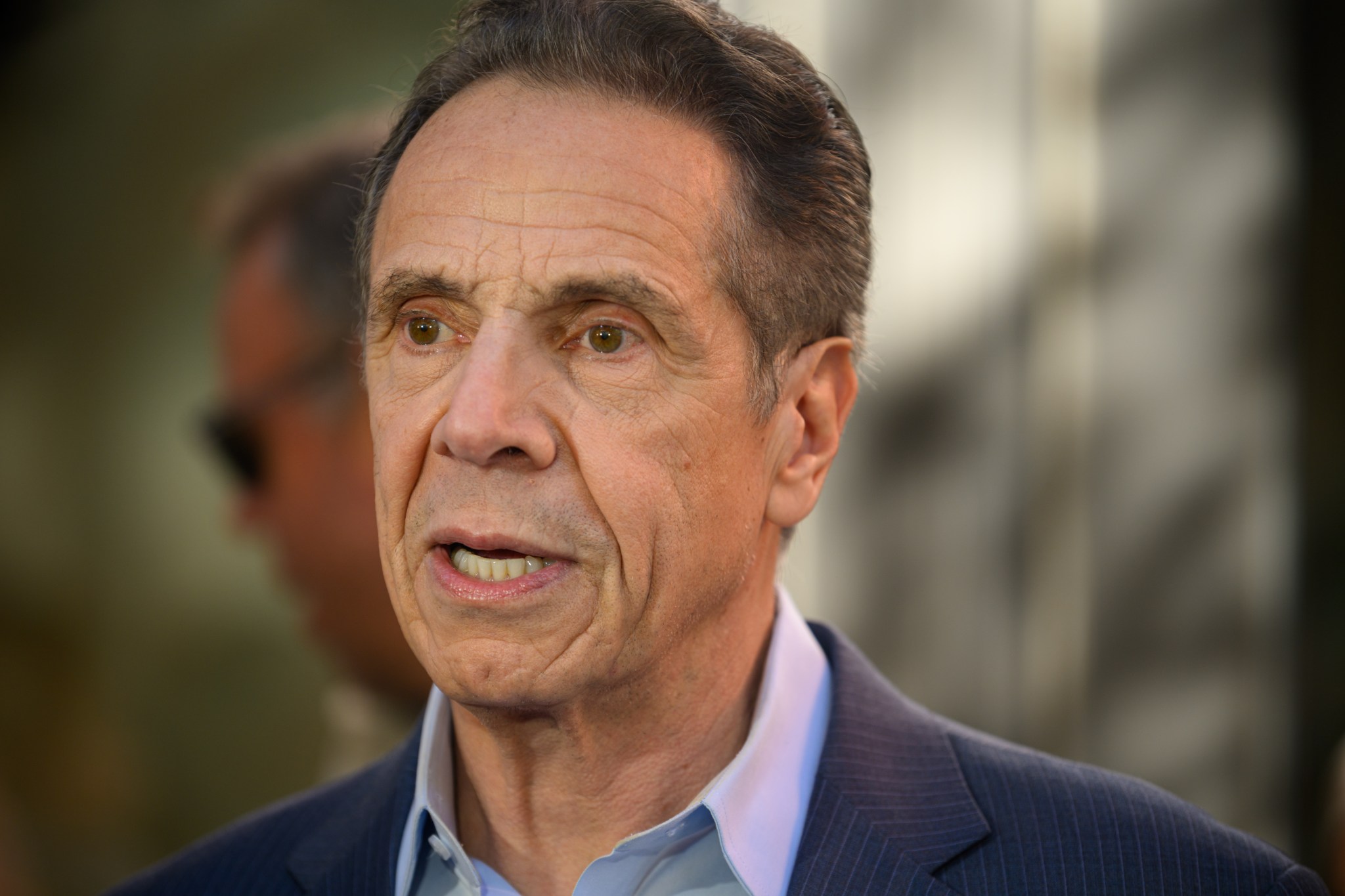
Image via Fortune
Cuomo joins NYSE-owner/OKX venture, testing whether crypto can look more like Wall Street
Former New York Governor Andrew Cuomo will co-chair a joint venture involving Intercontinental Exchange (ICE), the owner of the New York Stock Exchange, and crypto exchange OKX, Fortune reports. Cuomo has advised OKX since 2023 and is now taking a more visible role as traditional market infrastructure and major crypto platforms search for a scalable, regulator-friendly model.
The strategic logic is straightforward: ICE brings a brand associated with institutional trust, compliance processes, and market plumbing; OKX brings crypto liquidity, technology, and global reach. The harder part is execution in a sector still coping with reputational damage from prior blowups, uneven global standards, and U.S. regulatory ambiguity over what qualifies as a security, a commodity, or something else entirely.
Cuomo’s involvement is notable because it highlights crypto’s continued push to recruit political and regulatory heavyweights—both to open doors and to signal seriousness to counterparties. But the success of any such venture will hinge less on the names attached and more on concrete guardrails: custody, surveillance, disclosure, and enforceable rules that reduce the perception (and reality) of insider advantage and market manipulation.
Read the full story at Fortune →
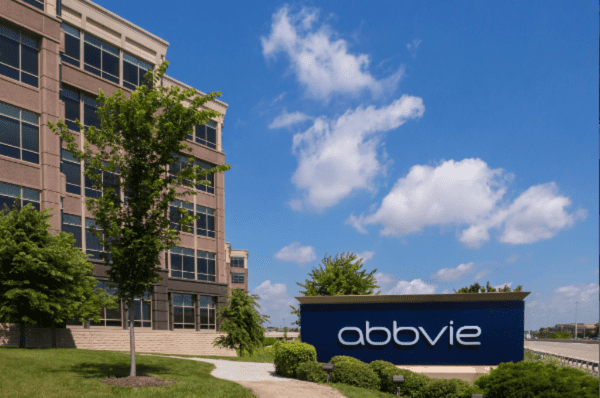
Image via MarketWatch
AbbVie’s $10.9B eczema bet signals pharma’s continued hunger for pipeline assets
AbbVie is buying a biotech company working on an experimental eczema treatment for $10.9 billion, MarketWatch reports, in a deal centered on Apogee Therapeutics’ atopic dermatitis program. Eczema remains a large and competitive market, and big pharma has been willing to pay up for differentiated therapies that can win on efficacy, dosing convenience, safety profile, or durability.
The acquisition fits a broader pattern: major drugmakers, facing patent cliffs and pressure to sustain growth, are increasingly shopping for mid-to-late-stage assets that can be scaled through established commercial and regulatory operations. For AbbVie, investors will likely read the move through two lenses—pipeline diversification beyond its legacy franchises and the implied confidence that Apogee’s approach can compete against existing biologics and newer entrants.
The key uncertainties are the usual ones in biotech M&A: clinical performance in larger populations, real-world safety, payer willingness to reimburse at premium prices, and how quickly the drug can reach market. A $10.9B price tag suggests AbbVie believes the science is more than a lottery ticket—and that the commercial runway in dermatology still offers room for a new leader.
Read the full story at MarketWatch →
That’s the day’s file. We’ll be watching for hard details on IAEA access in Iran, the timetable for Britain’s leadership transition, and whether these big-ticket corporate bets hold up under regulatory and clinical scrutiny.
— Brief Updates Editorial