Today’s Sponsor
While the crowd chases the same tired names, RushTheStreet is tracking the stocks that could move before the headlines hit — small caps on the verge of a breakout, AI plays building momentum, biotech approaching major milestones, gold & silver explorers, and companies with market-moving catalysts on the horizon.
October volatility creates opportunity — but only if you're watching the right names first. Don't let the next big mover disappear into the shadows before you even knew it existed.
Sign Up for RushTheStreet FreeBy clicking the link above, you agree to receive emails from rushthestreet.com. You can opt out at any time. — Privacy Policy

Wednesday, October 21, 2026: A major AI distribution move lands on Google Cloud, a new read on the youth vote, federal fraud charges tied to SNAP, SpaceX’s latest surge and merger chatter, and a high-profile Russia release tied to Trump’s envoy diplomacy.

Image via Axios
OpenAI takes frontier models to Google Cloud, widening its distribution power
OpenAI is bringing its frontier AI models and Codex coding tools to Google Cloud, adding Google’s enterprise customer base to the channels it already has through Microsoft Azure and other major platforms. The move underscores how OpenAI is positioning itself less like a single-vendor add-on and more like a ubiquitous model supplier that can meet customers wherever their infrastructure already lives.
For Google Cloud, the upside is straightforward: customers get access to a marquee model provider without needing to switch clouds, and Google can keep workloads (and spend) from drifting to rivals. For OpenAI, it’s about reach, redundancy, and leverage; the more clouds it runs on, the less any one platform can dictate pricing, capacity, or go-to-market terms.
The bigger context: as AI spending shifts from experimentation to production, CIOs are increasingly allergic to lock-in. Multi-cloud and model-optional architectures are becoming the default, which makes partnerships like this feel less like an odd rivalry and more like the market’s natural end state.
✓ The Bottom Line: This is a rational, pro-customer step: multi-cloud access reduces single-point dependency and makes it easier for enterprises to standardize on tools rather than vendors. It also quietly signals that the AI platform wars are moving from exclusive alliances to distribution scale and reliability. Google gains credibility with pragmatic buyers, but it also concedes that “our models only” isn’t enough to win the next wave of enterprise adoption.
📎 Axios

Image via The Hill
A warning shot from Gen Z: Democrats regain ground as Republicans lose traction
An analysis argues Gen Z is drifting away from Republicans and giving Democrats a second chance, after years in which both parties treated younger voters as either a demographic inevitability or a temporary fad. The thesis is that Republicans are now absorbing the cost of that complacency, especially as cultural fights and abortion politics collide with younger voters’ priorities.
The underlying reality is more complicated than any single-cycle swing. Gen Z is economically anxious, skeptical of institutions, and unusually sensitive to authenticity; they’ll reward parties that speak plainly on cost of living, jobs, and housing, and punish those that sound like they’re performing for cable news. Republicans have made gains with some younger men and working-class voters, but the party’s brand with many young voters remains defined by social issues and a tone that often reads as dismissive.
For Democrats, this isn’t a permanent realignment so much as a fresh opportunity. If the party’s answer is simply “we’re not them,” it will fade fast; Gen Z has shown it can disengage when it senses it’s being used as turnout fuel rather than treated as a constituency with concrete demands.
✓ The Bottom Line: Republicans shouldn’t assume Gen Z will “grow conservative” on schedule; the data now shows meaningful risk of a durable image problem. Democrats shouldn’t confuse a rebound with loyalty, because younger voters are transactional and turnout-sensitive. The party that pairs cultural restraint with credible, measurable economics will have the advantage—and right now Republicans look like they’re making it harder on themselves than necessary.
📎 The Hill
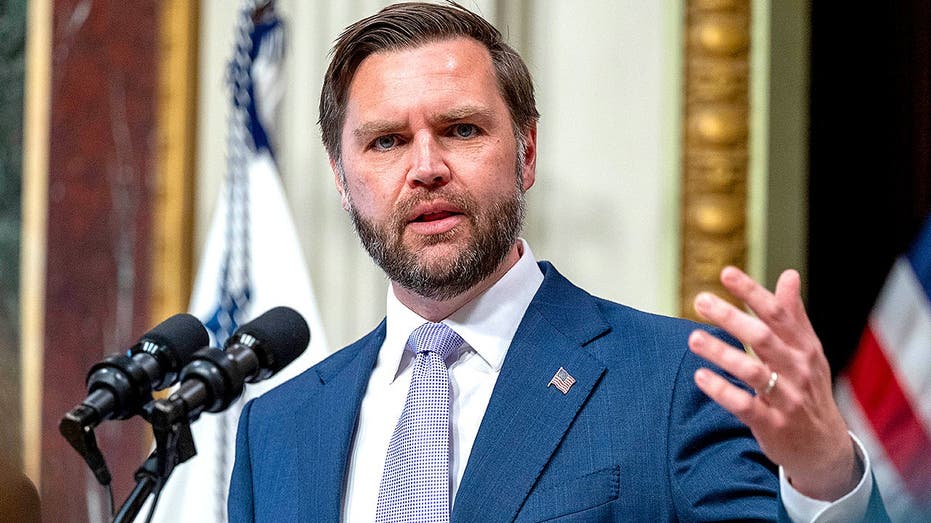
Image via Fox News
Vance-led task force to announce charges in alleged $40M SNAP fraud scheme
A task force led by Vice President J.D. Vance is expected to unveil criminal charges against more than 40 defendants tied to an alleged $40 million fraud scheme involving the Supplemental Nutrition Assistance Program (SNAP). The case, as previewed, centers on allegations of coordinated theft and abuse of benefits intended for low-income households.
SNAP fraud is politically combustible because it lands at the intersection of real need and taxpayer trust. Most recipients use benefits legitimately, but large, organized schemes can be financially significant and erode public confidence in safety-net programs. The question policymakers will immediately face is how to tighten controls without making it harder for eligible families to access food assistance.
Expect competing narratives: Republicans will cite the case as evidence for tougher oversight and enforcement; Democrats will emphasize that the program broadly works and that enforcement should target criminals, not recipients. Operationally, the best outcomes typically come from better fraud analytics, stronger vendor controls, and faster coordination with state agencies—rather than broad eligibility crackdowns that risk higher administrative burdens.
✓ The Bottom Line: Go after the fraud aggressively and publicly, but do it in a way that preserves the program’s legitimacy for honest beneficiaries. The fastest way to weaken public support for SNAP is to look indifferent to large-scale theft; the fastest way to harm families is to respond with blunt restrictions that treat everyone as suspect. The right answer is targeted prosecution plus modernized controls, not performative cuts.
📎 Fox News
SpaceX shares surge after earnings beat; Musk floats a Tesla tie-up
SpaceX shares jumped in premarket trading after the company reported stronger-than-expected third-quarter results, with revenue growth outperforming expectations. Investors also reacted to comments from Elon Musk that suggested a potential SpaceX-Tesla tie-up, reviving questions about how closely Musk’s companies might be linked financially and operationally.
The earnings beat reinforces what markets have been pricing in: SpaceX has evolved from a capital-intensive moonshot into a cash-generating infrastructure business, with launch services and satellite operations providing recurring revenue dynamics. That said, the merger talk introduces a different set of considerations—governance, valuation, regulatory scrutiny, and the risk of cross-company complexity at a moment when each enterprise already has massive execution demands.
A deal could create strategic synergies in engineering talent, manufacturing, and long-term technology bets, but it could also amplify concentration risk for shareholders and raise conflict-of-interest questions. Investors will watch for specifics: what structure, what rationale beyond headlines, and how any combined entity would handle debt, cash flow priorities, and operational accountability.
✓ The Bottom Line: The earnings strength is the real story; merger hints are cheap until they come with numbers and governance safeguards. A SpaceX-Tesla tie-up could unlock efficiencies, but it would also compound key-man risk and invite regulators to look harder at market power and capital flows. If Musk wants the market to take it seriously, he’ll need a clear strategic case that improves execution rather than simply rearranging the empire.
📎 CNBC

Image via ABC News
After Russia release, Stephen Hubbard’s sister credits Trump as envoy lands for talks
Stephen Hubbard’s sister publicly thanked President Donald Trump after Hubbard’s release from Russia, describing Trump as the “hand of God,” as Trump’s special envoy Steve Witkoff arrived in St. Petersburg for discussions, according to reporting. A Kremlin aide confirmed the envoy’s arrival, signaling an active diplomatic channel at a moment of high tension in U.S.-Russia relations.
Hostage and detainee diplomacy often blends private negotiation, prisoner swaps, and strategic signaling. The families’ relief and gratitude is understandable, while governments typically frame releases as validation of their approach. The complicating factor is that Russia has repeatedly been accused by U.S. officials and allies of using detentions for leverage, which creates an incentive problem: each successful negotiation can raise hopes for future releases while also encouraging the behavior.
Politically, the White House will tout results and competence; critics will ask what was conceded, if anything, and whether the strategy deters or rewards coercive detentions. In the near term, the key indicators will be transparency about terms where possible, consistency across cases, and whether the diplomatic engagement yields broader de-escalatory steps beyond a single humanitarian outcome.
✓ The Bottom Line: It’s good news when Americans come home, and families are right to focus on results, not process. But the U.S. should be careful not to normalize a pattern where detentions become a reliable bargaining chip for Moscow. The administration owes the public as much clarity as it can provide about principles and guardrails—because the incentive effects here are real.
📎 ABC News
That’s the file for today. We’ll be watching whether OpenAI’s multi-cloud strategy becomes the industry norm, and whether enforcement-heavy headlines translate into smarter policy rather than louder politics.
— Brief Updates Editorial