Today’s Sponsor
The Fed held rates, inflation is still above target, and uncertainty is rising — that means the "buy anything AI" trade is over. Smart money is rotating fast toward the companies actually building AI infrastructure: chips, cloud capacity, and mission-critical data tools. Big Tech alone is projected to spend $635B–$665B on AI in 2026 — and not all of it is going where most investors are looking.
We've identified 9 AI stocks worth watching right now — including a lesser-known chip name tied to U.S. AI infrastructure, a cloud player with improving setup, and a data analytics company with government exposure. This isn't hype. It's about following where capital is actually being deployed.
Get the Free Report NowBy clicking the link above, you will receive this free report and a free subscription to the StockEarnings daily email newsletter. You are also agreeing to the terms of our Privacy Policy. Unsubscribe at any time.

Thursday, August 27, 2026. Five developments worth your time: a deadly Himalayan disaster with Americans unaccounted for; lawmakers arguing a Meta settlement doesn’t solve youth harms; CrowdStrike’s breakout quarter; Alibaba planting AI infrastructure in Brazil; and Wall Street’s read on Bessent’s plan to stare down market “vigilantes.”

Image via ABC News
Nepal-Tibet flash floods: At least 63 Americans still missing as death toll climbs
Rescue teams searching the Nepal-Tibet border region said at least 63 Americans remain missing after severe flash flooding and landslides tore through river valleys and mountain communities. Officials have confirmed at least 358 deaths so far, with expectations that the toll could rise as crews reach isolated areas and as families report missing relatives.
The geography is working against responders: steep terrain, washed-out roads and bridges, unstable slopes, and limited communications. Even when aircraft can fly, heavy weather and narrow valleys restrict access. The U.S. State Department has historically urged Americans in remote Himalayan areas to register travel and to carry satellite-capable communication; in mass-casualty events like this, identifying who is missing often takes days, not hours.
Beyond the immediate tragedy, the floods again spotlight how quickly extreme rainfall can turn mountain rivers into destructive torrents. Local officials in Nepal and across the Tibetan plateau have been warning about intensified monsoon bursts and glacial melt impacts, but adaptation is expensive and slow in rugged regions where basic infrastructure is fragile.
Source: ABC News
Read the full story at ABC News →

Image via Roll Call
Lawmakers say a Meta settlement won’t fix kids’ online safety gaps; KOSA-style fight returns
Backers of major children’s online-safety legislation are pressing Congress to act even after a high-profile settlement involving Meta, arguing that case-by-case enforcement can’t substitute for clear, nationwide rules. The push is renewing familiar debates on Capitol Hill: what platforms should be required to do to protect minors, how to verify age without creating new privacy problems, and whether liability changes would meaningfully shift incentives.
Supporters say the status quo leaves families relying on litigation and state attorneys general to police sprawling, fast-changing products. They argue that design choices such as algorithmic recommendations, endless scroll features, and engagement-driven notifications can be tuned to reduce harm, but only if the law forces companies to prioritize youth safety and transparently assess risks.
Critics, including civil-liberties and some tech-policy groups, counter that broad “duty of care” standards can invite censorship-by-litigation, pushing platforms to restrict lawful content or limit access for minors in ways that harm speech and innovation. Expect the next round to hinge on narrow drafting: clear definitions, tailored remedies, and whether Congress can balance parental expectations with the real-world tradeoffs of enforcement and privacy.
Source: Roll Call
Read the full story at Roll Call →

Image via MarketWatch
CrowdStrike surges after record results; Wall Street raises targets as cyber demand stays hot
CrowdStrike shares jumped after the company posted record-breaking earnings, prompting a wave of bullish notes from Wall Street firms that lifted price targets. Analysts pointed to strong demand for endpoint security and platform consolidation, with customers increasingly opting for bundled tools rather than managing sprawling collections of point solutions.
The upbeat reaction is also about narrative: investors are rewarding companies that can show durable subscription growth, expanding margins, and a credible path to sustained free cash flow. In cybersecurity, spending tends to be “must-have” even when other IT budgets tighten, and recent high-profile breaches across multiple industries have kept boardrooms focused on prevention and detection.
Still, the enthusiasm brings scrutiny. At these valuations, the market is pricing in continued execution, low churn, and the ability to out-innovate both legacy vendors and well-funded rivals. Any signs of slower seat expansion, pricing pressure, or heightened competition in cloud workloads could quickly test the new optimism.
Source: MarketWatch
Read the full story at MarketWatch →
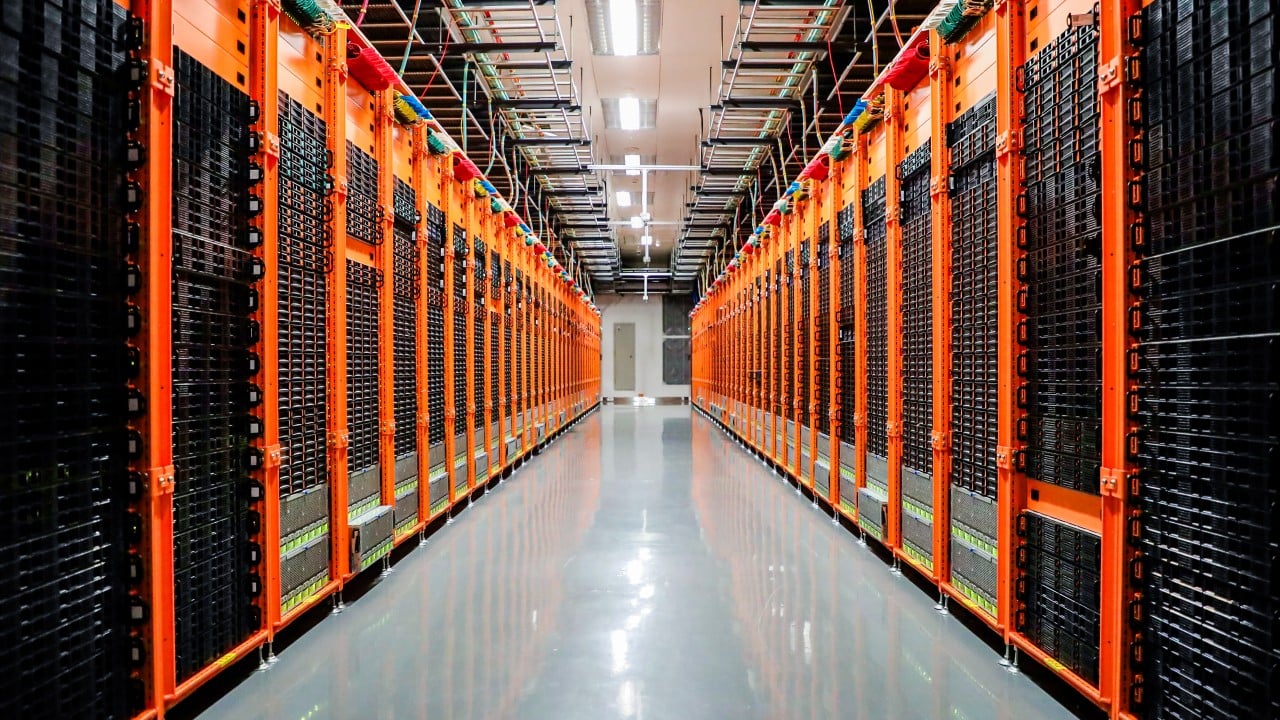
Image via South China Morning Post
Alibaba opens Brazil data centers, eyeing South America’s AI buildout and sovereign cloud demand
Alibaba has launched its first data centers in South America, starting in Brazil, as it expands infrastructure designed to support artificial-intelligence computing and cloud services in emerging markets. The move positions Alibaba to offer lower-latency services to regional customers and to compete for enterprise and government workloads that increasingly prefer data to remain within national borders.
Brazil is a logical beachhead: it is the region’s largest economy, a major internet and fintech market, and a magnet for industrial and energy investment that increasingly relies on analytics and AI. For customers, a local cloud footprint can help with performance and compliance, especially as regulators worldwide tighten expectations around data handling, critical infrastructure, and cross-border transfers.
The broader implication is geopolitical as much as commercial. U.S. and Chinese tech ecosystems are competing not just on software, but on who builds the physical backbone of AI: data centers, chips supply chains, and cloud regions. In South America, where capital needs are large and digital adoption is rapid, governments may welcome investment while also weighing security concerns and dependency risks.
Source: South China Morning Post
Read the full story at South China Morning Post →

Image via RealClearMarkets
Bessent vs. the bond “vigilantes”: a preview of the next big test for fiscal credibility
A RealClearMarkets column describes how financier Scott Bessent is preparing to confront “vigilantes,” Wall Street shorthand for traders who pressure policymakers by selling government bonds and driving up borrowing costs. The piece argues Bessent is focused on the risk that markets will “pile into” trades that punish fiscal drift, especially if deficits remain elevated and investors start demanding higher term premiums.
The basic mechanics are straightforward: if buyers become less confident in long-run budget discipline, they can demand higher yields to hold Treasuries, which then raises government interest expense and can spill into mortgage and corporate borrowing rates. Policymakers can respond with credible fiscal signals, clearer issuance strategy, and communications that reassure investors the U.S. will maintain price stability and a sustainable debt path.
The hard part is that credibility isn’t built with press releases. It’s built with arithmetic: a believable plan that aligns spending, taxes, and growth assumptions without magical thinking. If Bessent’s approach leans on market outreach and technical debt-management tweaks but avoids the political fight over entitlements and structural deficits, traders may not be persuaded for long.
Source: RealClearMarkets
Read the full story at RealClearMarkets →
That’s Brief Updates for Thursday. We’ll be watching whether Washington can write precise rules for kids online, and whether markets force a sharper conversation about fiscal reality sooner than politicians want.
— Brief Updates Editorial