Today’s Sponsor
One CEO just put $19 million of his own money into his company's stock — on the open market, reported to the SEC, fully verifiable. He's not alone. While most investors watched headlines, a handful of CEOs were quietly making seven-figure bets on their own companies. We dug through SEC Form 4 filings and verified the largest CEO stock purchases of 2026 — real names, real dollar amounts, real dates, every one linked to the actual filing so you can check it yourself.
The free report includes six confirmed purchases, the CEO who bought his own stock five separate times this year, and the small-cap insider buying aggressively while his stock was getting crushed. No rumors. No vague teasers. Just the paper trail insiders are legally required to leave behind — and what it could mean for your next trade.
Get the Free Report Now →Clicking the link above subscribes you to future messages from Equiscreen, LLC and provides instant access to two additional bonus subscriptions from our marketing partners. Unsubscribe anytime. View Privacy Policy.

Happy Labor Day to readers getting a breather today. We have a big, consequential lineup: the Iran war’s growing hit to U.S. energy bills, early evidence of an AI-driven hiring upswing, renewed political pressure on the Fed as rate-hike odds rise, Nike’s slide spilling into index status, and why the Supreme Court could be staring at a heavy Second Amendment caseload.
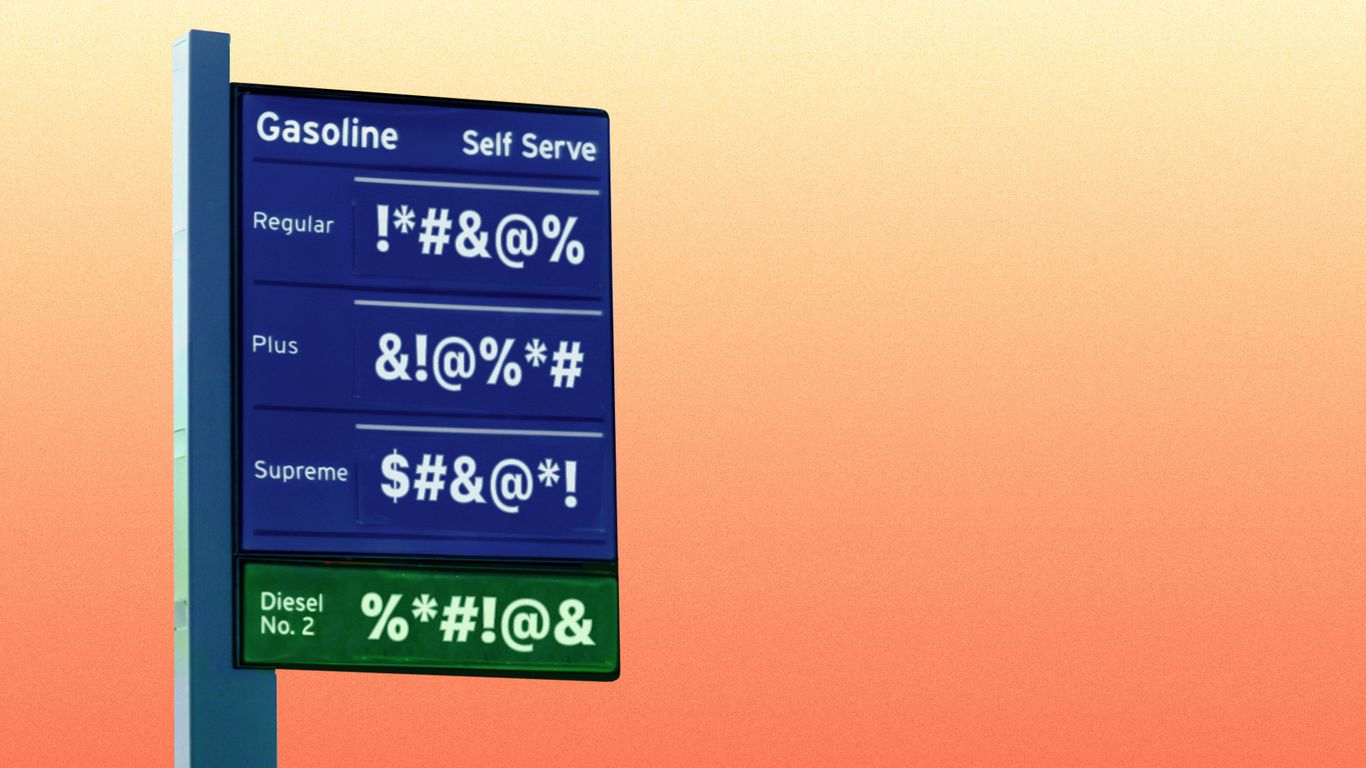
Image via Axios
Iran war adds a $100 billion energy tab for U.S. consumers — and rising
Higher gasoline, diesel, and broader energy-linked costs tied to the war in Iran have now added up to roughly $100 billion for U.S. consumers, according to a real-time tracker cited in the report. The estimate underscores how quickly geopolitical shocks transmit into household budgets, with knock-on effects that reach well beyond the pump: shipping, air travel, groceries, and most goods that move by truck all inherit some portion of the increase.
The policy bind is familiar and uncomfortable. The U.S. produces a lot of oil, but it does not set global prices, and price spikes behave like a regressive tax that hits lower-income households hardest. Washington can try to soften the blow with releases from the Strategic Petroleum Reserve, diplomacy aimed at stabilizing supply routes, and incremental regulatory flexibility, but the big lever is still global risk perception — and that is hard to manage in a shooting war.
The political fallout is also predictable: pressure on the administration to “do something” rises as prices climb, while the Fed watches energy-driven inflation expectations for signs that a supply shock could become a broader inflation problem. If households and firms start assuming permanently higher energy costs, wage and price-setting behavior can change in ways that keep inflation sticky even after crude prices cool.
✓ The Bottom Line: A $100 billion hit is not just an energy story; it’s a cost-of-living story with real distributional damage. The least-worst approach is to prioritize de-escalation and supply stability while avoiding gimmicks that distort markets and backfire later. If policymakers want durable relief, it comes from resilience: production capacity, infrastructure, and clearer rules — not temporary political theater.
📎 Axios
The AI jobs “apocalypse” isn’t here — hiring demand is, and it’s broadening
Early labor-market data suggest artificial intelligence is not (yet) producing the mass job destruction many predicted. Instead, companies are hiring for AI-adjacent roles at a fast clip, with demand spreading beyond a narrow band of elite research jobs into applied engineering, product, compliance, cybersecurity, and operations. The near-term pattern looks more like task reallocation than workforce elimination: firms want people who can deploy tools, supervise outputs, and integrate AI into workflows.
That doesn’t mean disruption is imaginary. The report notes that technology’s first-order impact often shows up as productivity gains and new job categories before it shows up as shrinkage in legacy roles — and the pain, when it comes, can be concentrated. Workers without portable credentials or employer-sponsored training are most exposed, especially in clerical, routine content, and certain back-office functions where AI can scale quickly.
The economic implication is a race between adoption and adaptation. If training, credentialing, and mobility keep up, AI can lift wages in complementary roles and raise overall output. If they don’t, you get a split economy: high earners who can leverage AI, and a larger tier of workers whose bargaining power erodes.
✓ The Bottom Line: The evidence so far points to a transition, not a cliff — but transitions still create winners and losers. The smart policy focus is practical: skills pipelines, apprenticeship-style on-ramps, and credential transparency that lets workers move across firms. Treating AI as either a miracle or a catastrophe is lazy; it’s a tool, and incentives will determine whether it broadens prosperity or concentrates it.
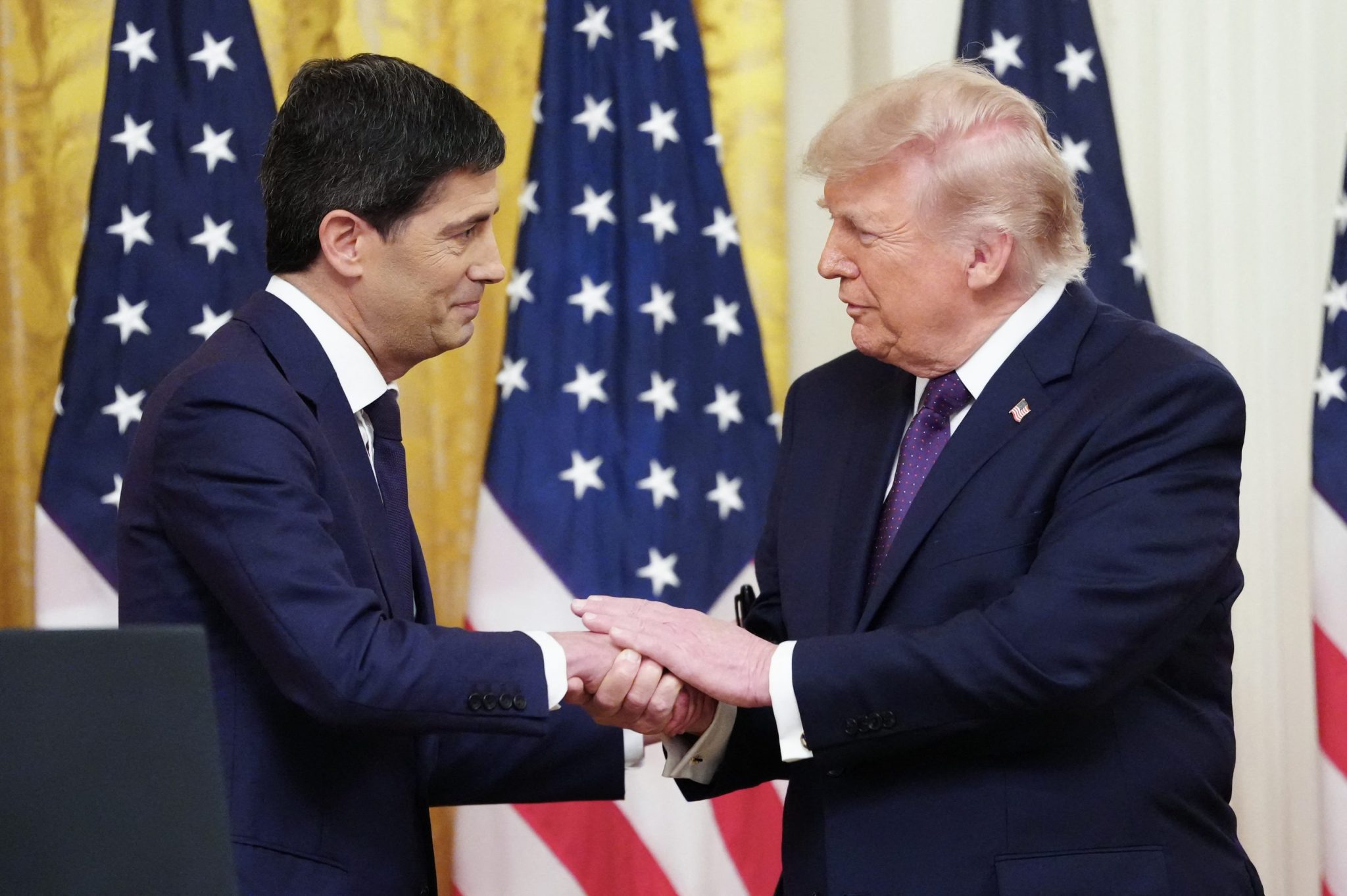
Image via Fortune
Markets lean toward a Fed hike as the White House turns up the volume on Warsh
Wall Street expectations have shifted toward a possible Federal Reserve rate hike, and the White House is amplifying its criticism of high rates. The report highlights President Trump’s public comments arguing that elevated borrowing costs disadvantage the U.S., a line that resonates politically as voters feel financing pain in mortgages, auto loans, and credit cards.
The backdrop is a familiar tension: the central bank’s inflation and stability mandate versus elected officials’ desire for faster growth and cheaper credit. When markets think a hike is back on the table, it typically reflects either hotter inflation data, stickier services inflation, stronger-than-expected demand, or concerns that easing too soon would re-ignite price pressures. Public pressure campaigns can add noise, and noise can matter when expectations are fragile.
What’s at stake is credibility. A Fed seen as politically steerable risks higher inflation expectations and higher long-term rates — the opposite of what politicians want. The central bank’s job is not to be popular; it is to be predictable, data-driven, and focused on its legal mandate.
✓ The Bottom Line: Presidents complain about interest rates; that part is normal. What’s not normal is trying to box in monetary policy with public threats and constant messaging, because it can raise risk premiums and make borrowing more expensive. If the data justify a hike, the Fed should hike — and if they don’t, it shouldn’t — regardless of who is yelling.
📎 Fortune
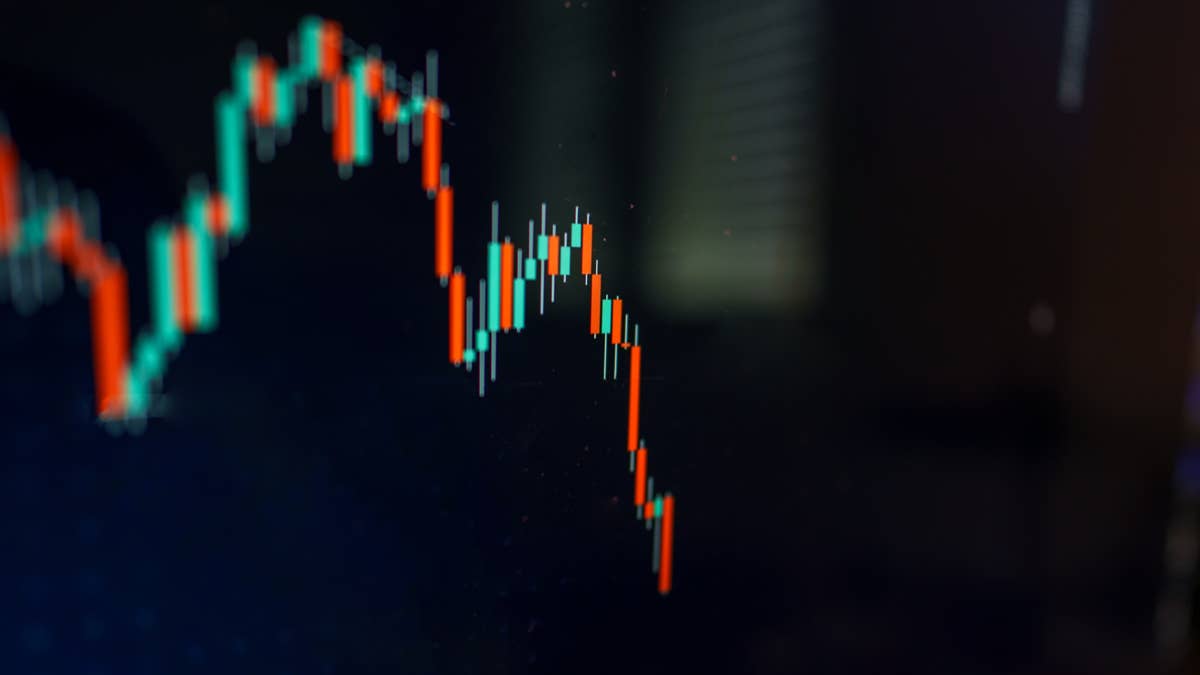
Image via TheStreet
Nike’s stumble goes beyond the stock chart: it loses its seat in a top index
Nike’s share-price decline has now triggered a tangible status change: removal from the S&P 100, an index built to represent large, highly liquid U.S. blue chips. Index membership matters because it can influence passive-fund ownership and trading flows; when a company is dropped, some funds sell by rule, and that can add pressure at the margin.
The deeper issue is what the demotion signals about market confidence. Nike remains a major global brand, but investors have been repricing the business amid competitive pressure, shifting consumer demand, and execution questions around product cycles and distribution strategy. In today’s retail environment, strong branding is necessary but not sufficient; inventory discipline, supply-chain agility, and consistent innovation matter more than ever.
The near-term market effect of index changes can be overhyped, but the reputational and capital-markets effect is real: it’s another data point that the market sees Nike as less “must-own” than it once was. For management, it’s a reminder that public markets measure results, not legacy.
✓ The Bottom Line: Being kicked out of an elite index isn’t the cause of Nike’s problems; it’s a symptom. The company can recover, but it needs crisp execution and fewer strategy zigzags — investors will forgive a tough cycle, not a fuzzy plan. If Nike wants the market’s trust back, it has to earn it the old-fashioned way: better numbers and clearer priorities.

Image via Daily Caller
The Supreme Court could face a crowded Second Amendment pipeline
A growing number of gun-related legal disputes are poised to move toward the Supreme Court, raising the prospect of a heavy Second Amendment docket in the coming term(s). The report frames this as a function of post-Bruen litigation: lower courts are grappling with how to apply the history-and-tradition test to modern regulations, and inconsistent rulings across jurisdictions increase the odds the justices step in to clarify standards.
The practical consequence is uncertainty for states, gun owners, manufacturers, and law enforcement. When appellate courts disagree, the rules can vary sharply by region, and compliance becomes complicated. More Supreme Court intervention could bring clarity, but it could also accelerate legal change, depending on the questions presented — from carry restrictions to sensitive places, to licensing regimes, to weapon and accessory regulations.
A packed caseload would also test the Court’s appetite for incrementalism. The justices can resolve narrow circuit splits without rewriting the entire doctrine, but the volume of cases increases pressure to address foundational issues: what counts as a historical analogue, how much deference courts should give legislatures, and how to treat public-safety rationales under the current framework.
✓ The Bottom Line: After Bruen, the Court owes the country clearer rules, because “history-and-tradition” without consistent methodology invites chaos. But clarity should come through careful, bounded holdings that resolve real conflicts, not maximalist opinions that turn every regulation into an existential fight. The goal should be a stable, knowable standard that protects rights while giving lawmakers a workable lane for genuine public-safety measures.
That’s Brief Updates for Monday, September 7, 2026. Thanks for spending part of your Labor Day with us — we’ll be back with the next cycle of what matters, what’s true, and what it means.
— Brief Updates Editorial