Today’s Sponsor
The biggest market moves rarely start with headlines — they start with early signals. Market Maven Insights has identified a developing trend tied to artificial intelligence, next-gen infrastructure, and shifting market leadership heading into 2026, and their brand-new research briefing breaks it all down. For a limited time, digital copies are available free.
Inside, you'll discover why analysts believe a new wave of market leadership may already be forming, how AI-driven growth themes are reshaping Wall Street, and how to spot momentum opportunities before they go mainstream. Once the headlines catch up — the early positioning window is already closed.
Download Your Free Research BriefingWe encourage readers to perform their own research and due diligence on any information provided. By clicking the link above, you will automatically be subscribed to the Market Mavens Newsletter. Privacy Policy.

Capitol Hill budget grilling for Rubio and Blanche; Europe hardens its migration toolkit; U.S. jobs data watch; a cautious China-UK reset; and a warning sign in oil shipping through Hormuz.

Image via The Hill
Rubio, Blanche head to the Hill as budgets and oversight collide
Secretary of State Marco Rubio and Acting Attorney General Todd Blanche are set to face congressional panels Tuesday morning, with lawmakers expected to press for specifics on spending plans, priorities, and how the administration is using its authority at State and Justice. While these hearings are formally about budgets, they routinely become proxy battles over foreign policy and law enforcement choices—especially in an election year atmosphere.
Rubio is likely to field questions spanning diplomatic posture, security assistance, and how State plans to resource embassies and regional initiatives under tight fiscal scrutiny. Blanche, meanwhile, can expect sharper lines of questioning about Justice Department independence, prosecutorial discretion, and internal guardrails—areas where members will look for commitments that outlast any single political moment.
Source: The Hill
Read the full story at The Hill →
Image via The Associated Press
EU backs tougher migration measures, including offshore detention options
European Union governments have struck a migration deal that would expand the bloc’s ability to detain migrants and accelerate deportations, including by exploring detention centers outside EU territory. The push reflects mounting political pressure across Europe to show control at the borders as irregular arrivals persist and as far-right parties continue to gain ground in several member states.
Supporters argue the package is a necessary update to an overstretched system—deterring dangerous crossings, reducing the incentive for smuggling networks, and easing the burden on frontline countries. Critics counter that offshore detention risks weaker legal protections, opaque accountability, and arrangements that depend on cooperation from third countries with uneven human-rights records. The deal’s practical impact will hinge on implementation: which partner countries participate, what judicial review looks like, and whether the EU can actually execute removals at scale.
Source: The Associated Press
Read the full story at The Associated Press →

Image via Yahoo Finance
Jobs report watch: Signs of a thaw as economists wait on fresh labor data
Markets and policymakers are bracing for the next round of U.S. labor-market data, with recent indicators suggesting hiring may be stabilizing after a period of cooling. Investors are watching for confirmation that the job market is neither overheating nor sliding into a sharper slowdown—an outcome that would shape expectations for the Federal Reserve’s next moves on interest rates.
Economists are parsing a familiar mix of signals: payroll growth versus wage pressures, labor-force participation, and whether job openings are falling in a healthy normalization or in a way that foreshadows broader weakness. Even a modest shift can move expectations, because the Fed has been balancing inflation progress against the risk of over-tightening. For households and businesses, the key question is whether the “soft landing” narrative remains intact—steady job creation, easing wage inflation, and no sudden spike in unemployment.
Source: Yahoo Finance
Read the full story at Yahoo Finance →
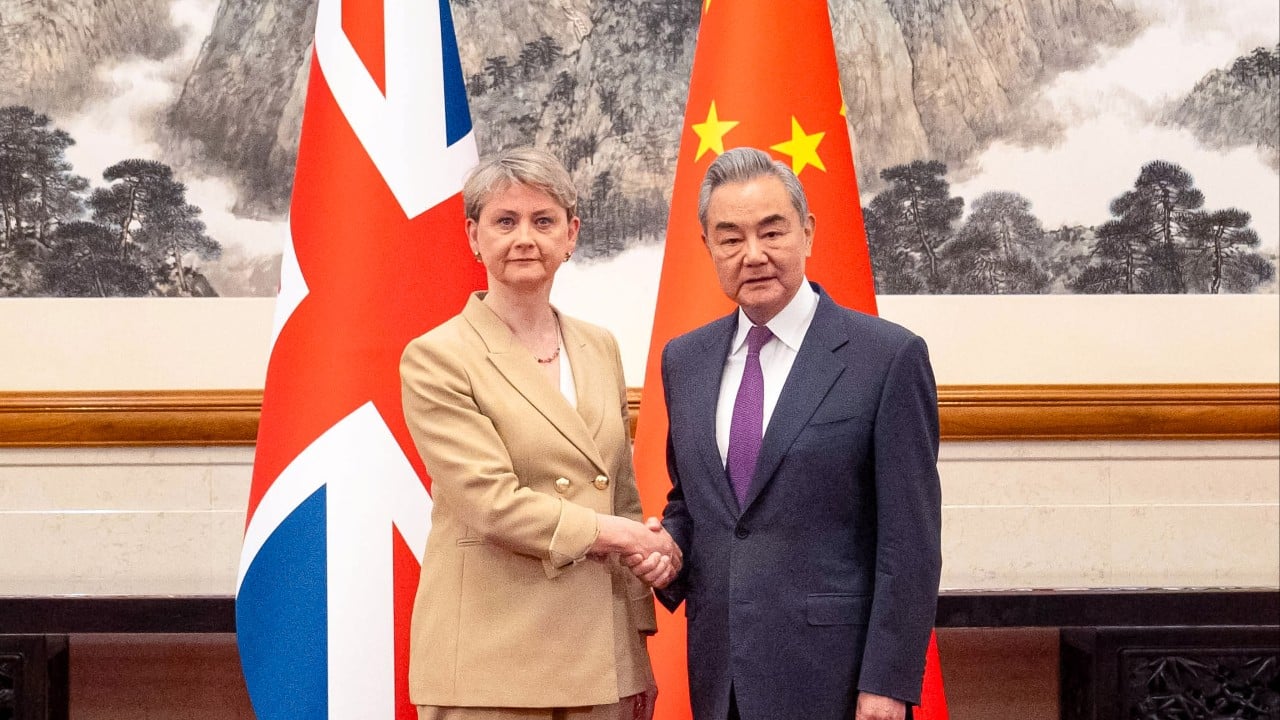
Image via South China Morning Post
China and UK talk up a reset, but strategic friction remains
China and the United Kingdom signaled a cautious thaw in relations after a meeting in Beijing between senior diplomats, with China’s foreign minister Wang Yi urging both sides to “further communicate and align our positions.” The language points to an effort to restore regular high-level engagement and expand cooperation in areas where interests overlap, including trade and global issues.
Still, any reset comes with hard constraints. London has tightened its posture on security and influence risks in recent years, while Beijing has pushed back against Western restrictions and criticism on sensitive topics. The near-term test will be whether dialogue produces durable working channels—on business access, technology and research safeguards, and geopolitical flashpoints—or whether the relationship reverts to episodic engagement punctuated by disputes.
Source: South China Morning Post
Read the full story at South China Morning Post →

Image via MarketWatch
Tankers snarl in the Strait of Hormuz raises questions about future crude flows
A significant number of large oil tankers remain stuck in and around the Strait of Hormuz, underscoring how vulnerable global energy logistics are to disruption at key chokepoints. Beyond the immediate bottleneck, analysts are raising a longer-term concern: even once vessels break free, some shipping operators may rethink how often they send the biggest tankers back into the Gulf.
If that caution persists, the consequences could ripple—higher shipping costs, changed routing, and greater reliance on smaller vessels or alternative logistics. The Strait is central to global oil trade, and risk pricing tends to rise quickly when insurers, charterers, or crews perceive elevated danger or uncertainty. For consumers, that doesn’t automatically mean a sustained spike at the pump, but it does increase the odds of volatility—especially if geopolitical tensions remain unresolved.
Source: MarketWatch
Read the full story at MarketWatch →
That’s the file for today. We’ll be watching the Hill hearings, Europe’s migration follow-through, and the jobs print for what actually changes policy—and what’s just positioning.
— Brief Updates Editorial