Today’s Sponsor
Global tensions are quietly reshaping the market — and Street Ideas has identified three under-the-radar small-cap stocks tied to defense infrastructure, energy security, and next-generation technology that are already starting to move.
These shifts don't wait. Our free Market Themes Report breaks down exactly what's happening, why these sectors are heating up, and which three small-caps are appearing on our radar right now — before the crowd catches on.
Get the Free Market Themes Report*We encourage readers to perform their own research and due diligence on any information we provide. By clicking the link you will automatically be subscribed to the Street Ideas Newsletter.

Berkshire makes its first big move under Greg Abel, U.S. forces hit another alleged drug-smuggling vessel, Senate Democrats target Trump’s new enforcement-style fund, Ebola caseload climbs in Congo, and Iran signals talks are off as the war widens.
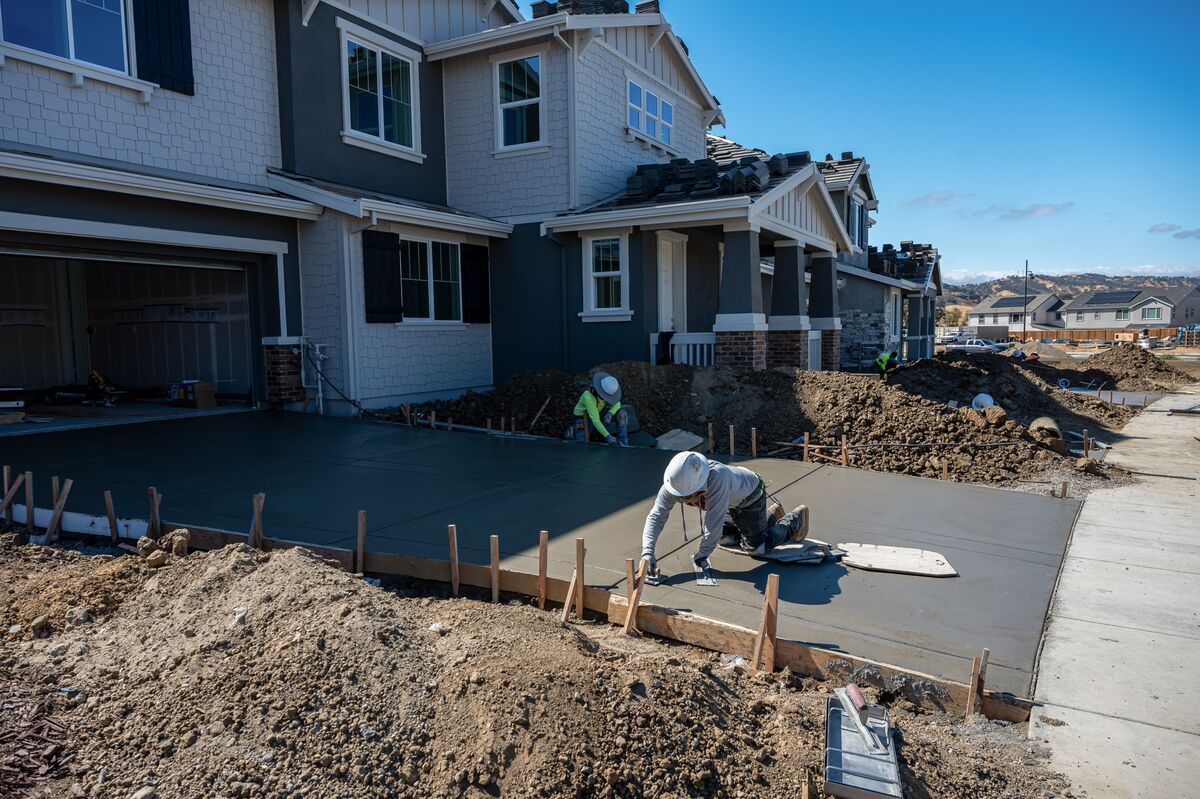
Image via Bloomberg
Berkshire Strikes $6.8B Deal for Taylor Morrison, Signaling Abel’s First Big Swing
Berkshire Hathaway has agreed to buy homebuilder Taylor Morrison in an all-cash deal valued at about $6.8 billion, marking the first major acquisition under CEO Greg Abel and putting a fresh Berkshire stamp on a cyclical but structurally undersupplied U.S. housing market. The transaction is positioned as a long-term bet on household formation and housing demand, even as higher-for-longer interest rates have constrained affordability and kept sales choppy.
For Berkshire, the logic is familiar: buy a cash-generative business with tangible assets at a moment when public markets are uncertain about the cycle. Homebuilding is volatile, but it also offers Berkshire a direct channel into a sector where its existing businesses—building products, insurance, and housing-related services—already have meaningful exposure.
Investors will likely scrutinize the price paid and the timing. Bulls will argue Berkshire can ride out down-cycles better than most and benefit from scale and patient capital. Skeptics will point to the risk of buying near a demand plateau if rates stay elevated or if employment softens.
Source: Bloomberg
Read the full story at Bloomberg →
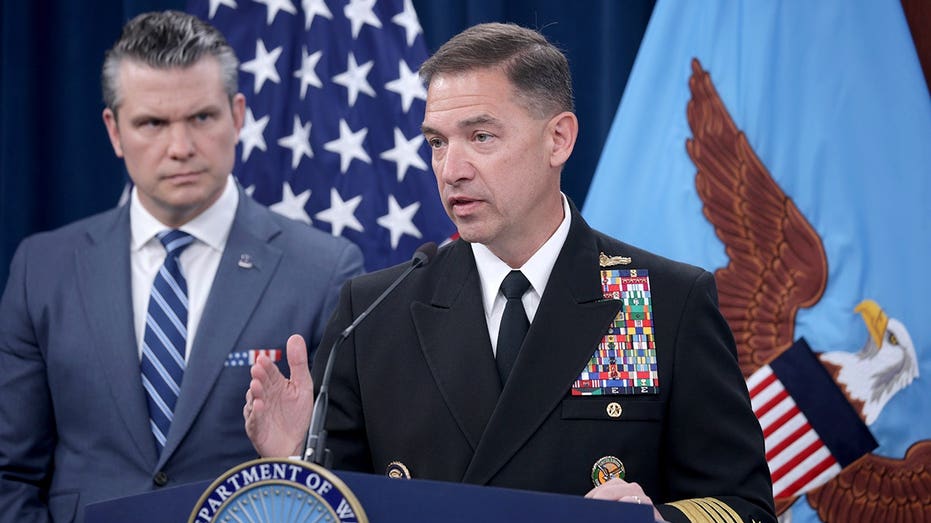
Image via Fox News
U.S. Reports Fourth Drug-Boat Strike in a Week, Raising Legal and Escalation Questions
U.S. Southern Command reported another strike on a vessel tied to narcotics trafficking, saying three alleged “narco-terrorists” were killed—its fourth such action in roughly a week. The announcement reflects an intensifying U.S. posture in maritime interdiction, with officials framing the targets as part of armed networks that blend drug trafficking with militant tactics.
Supporters of the stepped-up approach argue it disrupts supply chains earlier—before drugs reach Central America, Mexico, and the U.S.—and imposes real costs on groups that operate like hybrid criminal-insurgent organizations. They also note the U.S. has long treated transnational trafficking as a national security concern, not merely a law-enforcement issue.
Critics, however, tend to focus on transparency and proportionality: what intelligence standards are being used, what rules of engagement apply, and how civilian harm is assessed at sea. The use of the “narco-terrorist” label also signals a tougher doctrine that could widen the scope of permissible targeting and invite retaliation.
Source: Fox News
Read the full story at Fox News →
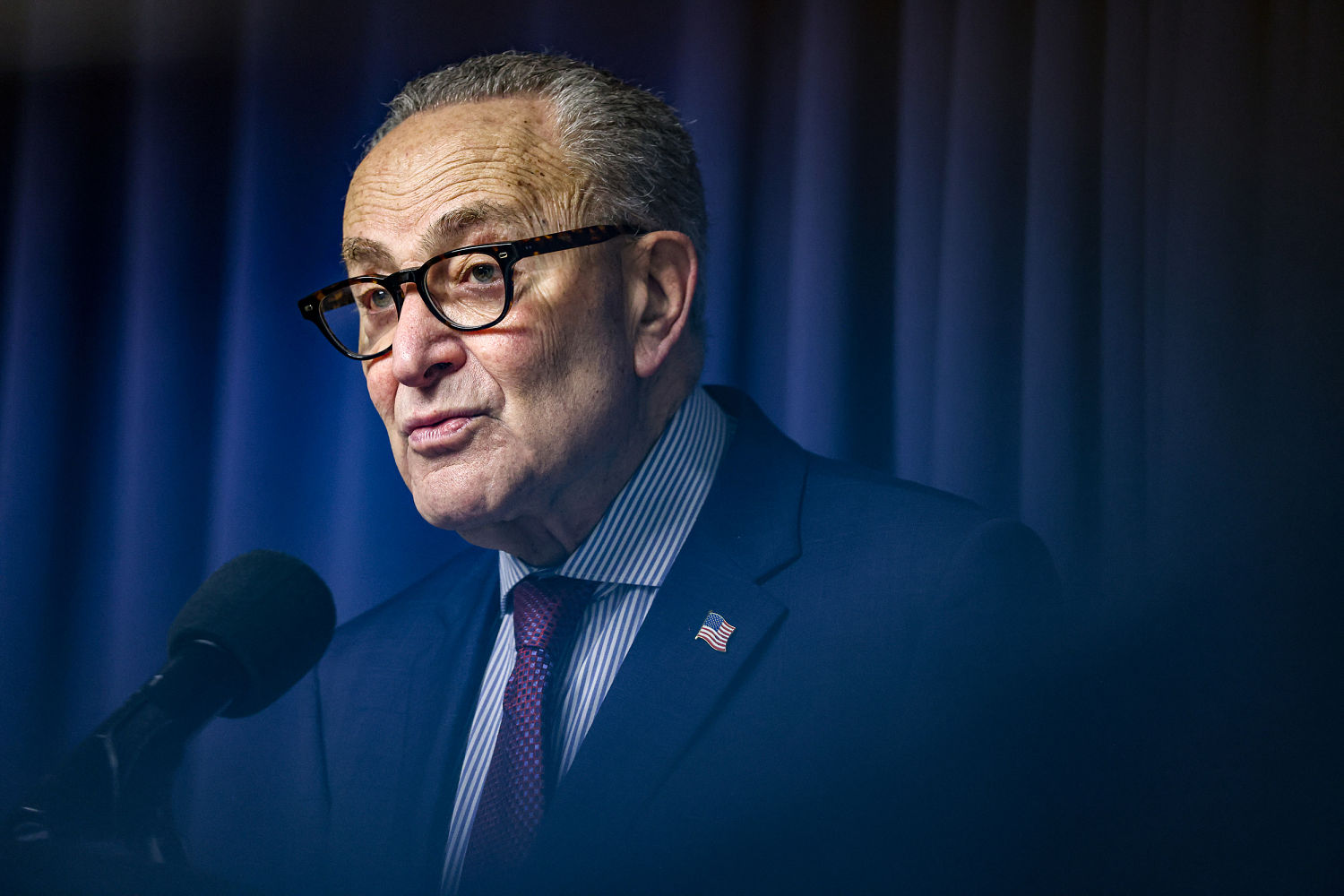
Image via NBC News
Schumer Targets Trump’s ‘Anti-Weaponization’ Fund, Forcing a Senate Test Vote
Senate Minority Leader Chuck Schumer said Democrats plan to use Senate procedure to try to block President Donald Trump’s proposed $1.8 billion “anti-weaponization” fund, a White House-backed initiative billed as a response to alleged political misuse of federal law enforcement and regulatory power. Schumer’s strategy is designed to force Republicans to take a recorded vote, turning the funding fight into a clear accountability moment rather than a quiet line item in a broader package.
Republicans argue the fund is necessary to deter politicized investigations and restore public trust after years of institutional controversy. Democrats counter that the concept is a pretext for pressuring independent agencies, shifting enforcement priorities, and potentially shielding allies under the banner of “reform.” The clash sits atop a deeper disagreement: whether recent high-profile investigations reflect politicization or ordinary accountability applied to powerful actors.
Procedurally, Schumer’s approach underscores how minority parties try to shape outcomes even without control of the floor. Substantively, it also signals that “weaponization” will remain a central theme in the 2026 governing debate—less about abstract governance and more about who controls investigative and prosecutorial leverage.
Source: NBC News
Read the full story at NBC News →
Congo’s Ebola Toll Climbs to 282 Confirmed Cases as Survivors Describe the Long Recovery
Confirmed Ebola cases in Congo have reached 282, according to reporting that also includes firsthand accounts from survivors describing the physical and psychological aftermath of infection. Public health officials are working to contain spread while maintaining community trust—often the determining factor in whether people report symptoms, isolate, and cooperate with contact tracing.
Survivor stories underscore a key reality about Ebola response: the crisis doesn’t end at discharge. Many patients face prolonged weakness, stigma, and economic hardship, while caregivers and families grapple with trauma and loss. Those long-tail impacts can complicate containment if communities perceive treatment centers as places people go to die rather than recover.
Containment typically hinges on rapid testing, isolation, safe burials, and targeted vaccination strategies where feasible, but each tool depends on security and access. Outbreak management can also be disrupted by misinformation, local conflict dynamics, and resource constraints, making steady international support and clear risk communication essential.
Source: NPR
Iran Says U.S. Talks Are Halted as It Warns ‘Other Fronts’ Are Opening in the War
Iranian state media said talks with the U.S. are halted and warned that “other fronts” in the war are opening, even as President Trump said the Iranian regime “really wants to make a deal.” The conflicting signals reflect a familiar pattern in high-stakes conflict diplomacy: public messaging aimed at domestic audiences and deterrence, paired with intermittent probing for off-ramps.
The reference to “other fronts” points to the risk of widening confrontation across the region—through allied militias, maritime disruption, cyber operations, or attacks on U.S. partners—especially if Tehran believes direct channels are closed. U.S. and Israeli officials, meanwhile, have tended to frame pressure as necessary to degrade capabilities and compel negotiation, arguing that diplomacy without leverage invites delay and escalation on Iran’s timeline.
What’s immediately at stake is whether the parties can reestablish a credible negotiating track while fighting continues, or whether the conflict expands into a multi-theater contest with harder-to-control proxies and miscalculation risks. Markets and regional governments will be watching for signs of escalation beyond the current battle space—and for any shift from maximalist rhetoric to actionable terms.
Source: CBS News
Read the full story at CBS News →
That’s the file for this morning. We’ll be watching for deal details at Berkshire, Senate floor timing on the Schumer maneuver, and any concrete indicators that the Iran channel is reopening—or the war is broadening.
— Brief Updates Editorial