Today’s Sponsor
🎃 The market has its own tricks — and October is full of them. Sudden momentum, unusual activity, and stocks making big moves before anyone else notices. Don't get caught off guard.
GuyStocks delivers real-time momentum alerts 🕷️, flags unusual stock activity 👻, and gives you clear, actionable insights ⚡🔎 — so you're ahead of the move, not chasing it. And it's 100% free to join 🆓.
Join GuyStocks Free TodayBy clicking the button above, you agree to receive emails from GuyStocks.com. You can opt out at any time. — Privacy Policy

Friday, October 2, 2026: Fresh voter-file numbers show Democrats stabilizing in key states, Iran says it has a U.S. response as Washington exits Iraq, Kyiv reels from strikes and traffic chaos, Nike’s stock tracks toward a record-worst year, and Trump touts a U.S.-South Korea energy-linked deal.
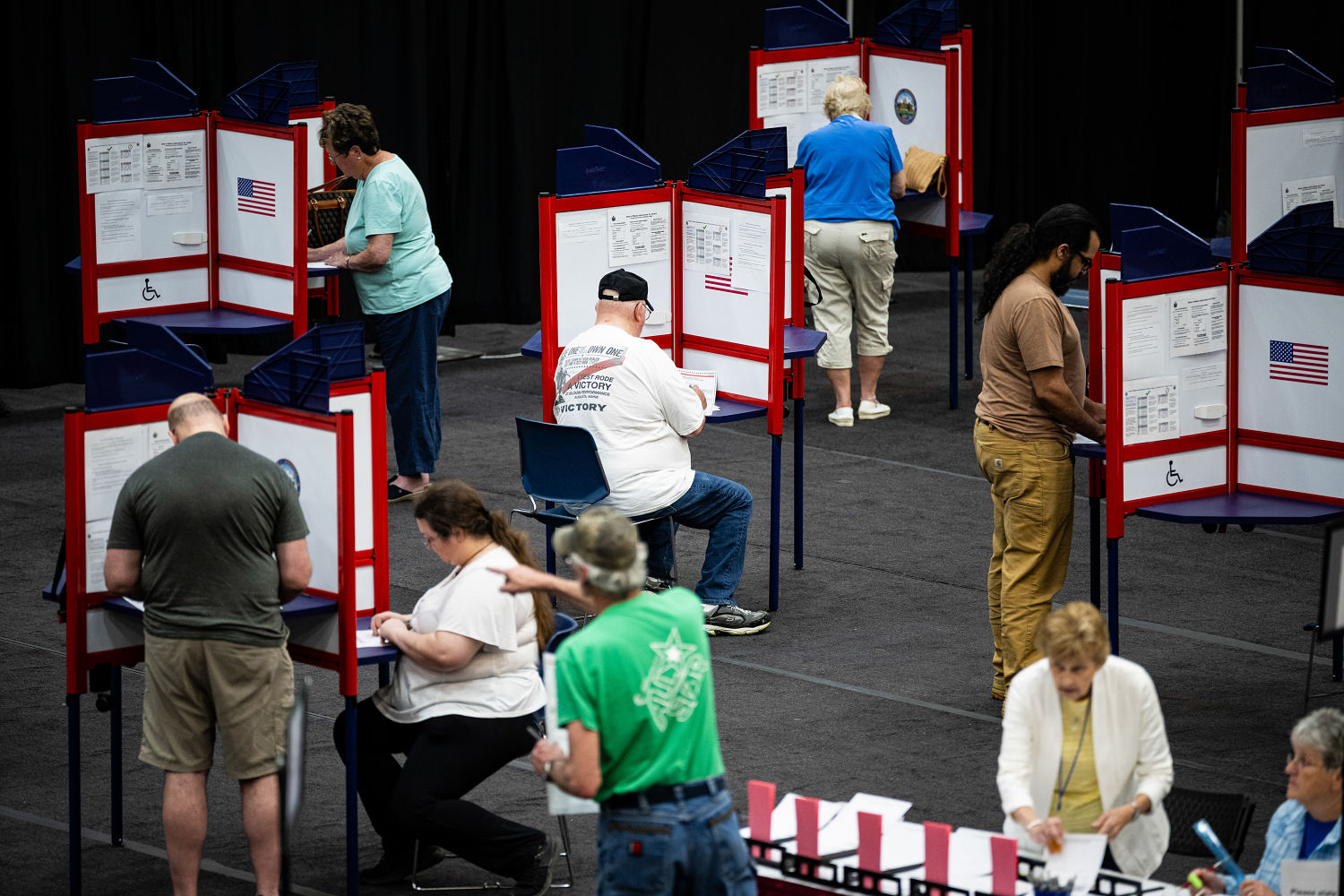
Image via NBC News
Democrats Stop the Bleeding on Voter Registration in Several Battlegrounds
New voter-file data reviewed by NBC News’ Decision Desk suggests Democrats have reversed or slowed their post-2024 voter-registration slide in a set of seven closely watched states. The finding matters less as a standalone scoreboard than as a proxy for organizational health: parties that consistently register and re-register voters tend to be the ones that can find, contact, and turn them out when it counts.
The broader context is that Democrats took a hit in registrations after 2024, reflecting a mix of voter churn, unaffiliated growth, and uneven local party infrastructure. NBC’s analysis indicates Democrats have made up meaningful ground over the past year in multiple states, though the picture remains mixed and state-specific. Republicans, meanwhile, have built durable strengths in some regions through aggressive registration and ballot-chasing tactics, meaning any Democratic rebound is competing against a more professionalized GOP turnout machine than in past cycles.
Registration is not the same thing as votes, and raw party registration numbers can mislead in states where “independent” status is rising. But a registration recovery is still a tangible signal that Democrats are investing again in the unglamorous work of list-building, field organizing, and cleaning up their data operations ahead of 2026 and 2028.
✓ The Bottom Line: Democrats stabilizing registrations is a real improvement, but it does not erase the central lesson of the last few cycles: turnout operations and persuasion matter more than party-label paperwork. If Republicans keep improving early-vote and low-propensity turnout targeting, Democrats will need more than a registration bounce to win tight races. Still, this is the kind of incremental infrastructure story that often shows up in election-night margins.
📎 NBC News
Iran Says It Got a U.S. Reply on a Proposal as Washington Completes Iraq Pullout
Iran said it has received a U.S. response to a proposal tied to the latest round of diplomacy, according to Reuters, in a moment when Washington is also pulling its remaining forces from Iraq. Iranian officials framed the development as part of an ongoing exchange, while the U.S. position has typically emphasized verifiable steps and enforcement mechanisms before offering meaningful sanctions relief or other concessions.
The timing matters. A U.S. military departure from Iraq reduces America’s on-the-ground footprint near Iran’s western border and reshapes deterrence dynamics across the region. Supporters of the pullout argue it reduces exposure to militia attacks and mission creep; critics warn it could embolden Iranian-aligned armed groups and make it harder to contain regional escalations or protect U.S. interests.
What comes next depends on whether the U.S. and Iran can bridge the familiar gaps: sequencing, inspection access, and what each side is willing to give up first. Meanwhile, allies in the Gulf and Israel will watch for any deal terms that they believe weaken pressure on Tehran or leave Tehran’s regional network untouched.
✓ The Bottom Line: Diplomacy is worth testing, but the U.S. should treat Iranian “we received a response” messaging as signaling, not progress. With Iraq now out of the U.S. military equation, Washington’s leverage shifts toward sanctions enforcement and coalition coordination rather than local presence. Any agreement that is not easily enforceable will likely become an invitation for brinkmanship, not stability.
📎 Reuters
Kyiv Gridlock After Drone Strikes as Ukraine Pushes for Harder Sanctions
Ukraine is calling for tighter sanctions on Russia after fresh attacks hit Kyiv, including strikes that led to bridge closures and widespread traffic chaos, according to Al Jazeera. The immediate disruption underscores a recurring reality of the war: even when critical infrastructure holds, the secondary effects can still paralyze a capital city and strain daily life.
Ukrainian officials argue that tougher restrictions on Russia’s economy and supply chains are necessary to reduce Moscow’s capacity to sustain missile and drone campaigns. The sanctions debate, however, increasingly hinges on enforcement, not slogans. Russia has adjusted by rerouting trade, leaning on shadow shipping and intermediaries, and sourcing components through third countries—leakage that undermines the headline impact of new rounds of penalties.
European governments remain broadly aligned on supporting Ukraine, but domestic political pressures and energy-price sensitivity shape how far and how fast some capitals will go. Kyiv’s message is straightforward: disruption in Ukrainian cities is the visible outcome of a war machine that still finds ways to finance itself and replenish hardware.
✓ The Bottom Line: Ukraine is right that sanctions only work at scale when enforcement is ruthless and loopholes are shut. The West has already shown it can impose painful measures; the question is whether it will sustain the bureaucratic, legal, and diplomatic grind to make them stick. If policymakers want fewer “gridlock days” in Kyiv, they should treat sanctions evasion as a primary battlefield, not a footnote.
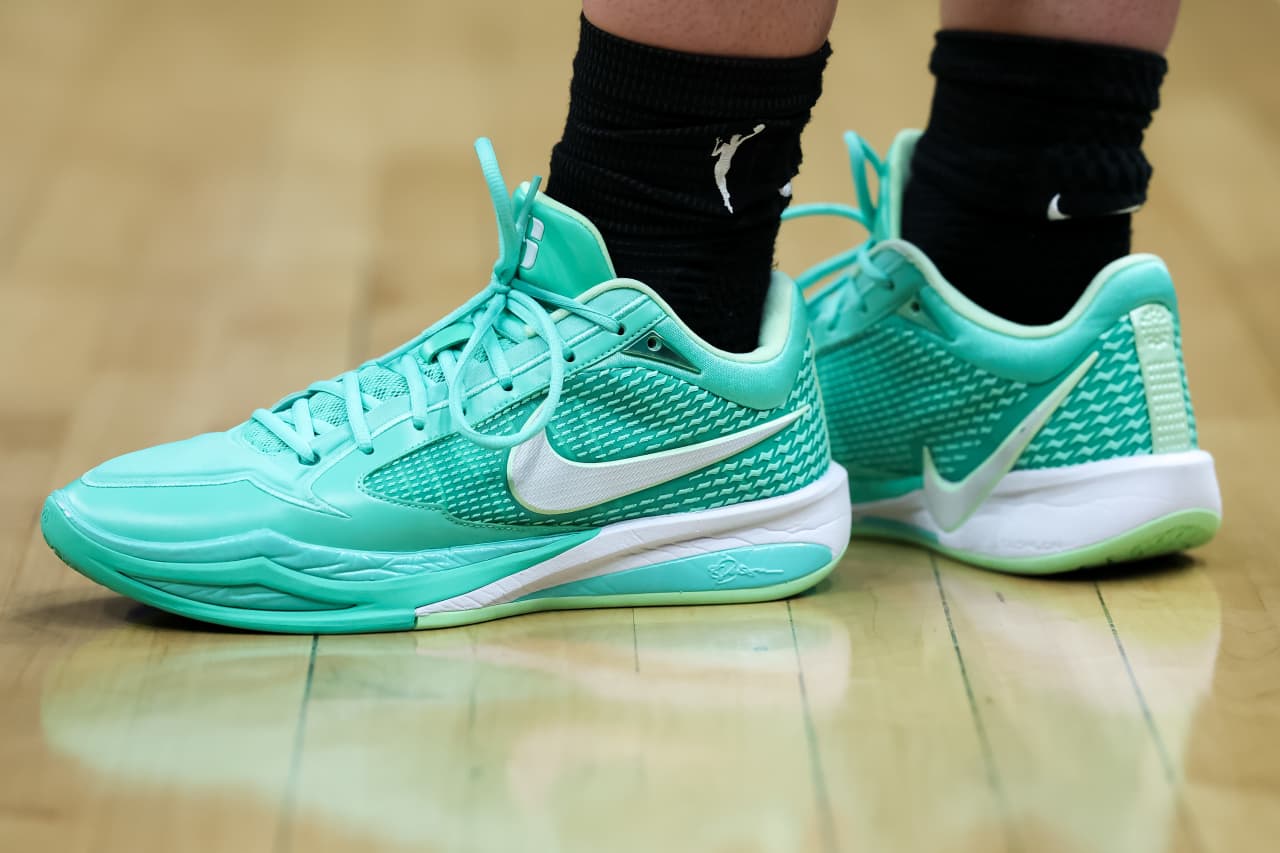
Image via MarketWatch
Nike Slides Toward a Record-Worst Year as Growth Problems Pile Up
Nike’s stock is heading toward its worst year on record as the company confronts a stack of challenges, MarketWatch reports. Investors are weighing slowing sales momentum, pressure in key international markets including China, and a sneaker business that is struggling to keep demand strong amid shifting consumer tastes and intensifying competition.
Nike’s predicament is also about strategy. The company has spent years emphasizing direct-to-consumer sales and tighter control over distribution, a move that improved margins in good times but can backfire when demand softens and wholesale partners matter more for volume and visibility. Add in inventory management and product-cycle misfires, and the result is a brand that still has global power but less near-term certainty than markets once assumed.
For consumers, Nike remains everywhere; for investors, the question is whether leadership can restore consistent growth without discounting away brand equity. The market is signaling that Nike’s problems are no longer viewed as a brief post-pandemic reset—they look structural until proven otherwise.
✓ The Bottom Line: Nike’s brand is an asset, but brand alone doesn’t fix a product pipeline that’s out of sync with what people are buying right now. The company needs fewer buzzwords and more basics: compelling new franchises, disciplined inventory, and a realistic approach to wholesale partners. If management can’t show cleaner execution over the next few quarters, this stops looking like a cyclical dip and starts looking like a longer rebuild.

Image via Investing.com
Trump Touts U.S.-South Korea Deal Including $8.4 Billion for Oil Recovery
Former President Donald Trump said a U.S. deal with South Korea includes $8.4 billion for oil recovery, according to Investing.com. The claim centers on energy and industrial cooperation, with the stated goal of boosting output and related investment. As presented, the figure is large enough to draw attention, but key details—structure, timelines, and whether it reflects public funds, private capital, or a mix—are crucial to evaluating the real economic impact.
U.S.-South Korea economic ties are deep, spanning defense, technology supply chains, shipbuilding, and energy. Big headline numbers can sometimes mask softer commitments, such as preliminary memoranda, financing authorizations that may not be fully utilized, or project totals that depend on market conditions. The practical questions are straightforward: where the projects are located, what regulatory approvals are needed, who bears commodity-price risk, and how much of the spending translates into durable U.S. jobs and output.
Politically, energy investment announcements tend to function as proof points—“we’re producing more” or “we’re bringing money in.” But markets and voters ultimately care about execution: barrels produced, costs controlled, and whether the deal improves energy security without creating new dependencies or distorting incentives.
✓ The Bottom Line: If there’s a real, contract-backed $8.4 billion commitment, that’s meaningful—but the public deserves the paperwork, not just the headline. Energy deals live or die on terms: risk-sharing, enforcement, and whether the projects actually get built. Until the details are independently verified, treat this as a political claim with potential substance, not confirmed economic reality.
That’s the file for today. We’ll keep tracking what changes the numbers, not just the narrative.
— Brief Updates Editorial