Sponsored by

Invest Alongside a Manager with a 40-Year Track Record

Private real estate has long been a cornerstone of institutional portfolios, but individual investors have often had limited access to the asset class - or have had to invest through pooled funds and intermediaries.
Lightstone DIRECT offers a different approach. Accredited investors can invest directly in select real estate opportunities alongside Lightstone, a vertically integrated owner/operator with more than four decades of experience and a $12 billion real estate portfolio.
We invest 20% or more of the equity in every offering, aligning our interests with yours from day one. Our in-house team oversees acquisitions, asset management, and investment execution, with property operations managed by Lightstone and, where appropriate, experienced third-party operators.
No blind funds. No intermediaries. Just direct partnership.
Accredited Investors only. $100k minimum investment.
This communication is for informational purposes only and does not constitute an offer to sell or a solicitation of an offer to buy any securities. Any such offer or solicitation will be made exclusively through the definitive offering documents. All investments involve risk of loss, including the potential loss of principal. Past performance is not a guarantee of future results. Any targeted returns or projections are forward-looking statements, are based on current assumptions, and are not guarantees of future performance. Actual results may differ materially.

A post-midterms reality check: winning on costs is easier than lowering them, investors are rebalancing fast, Republicans are searching for a reset, and brand leaders like Nike are confronting demand shifts in real time.
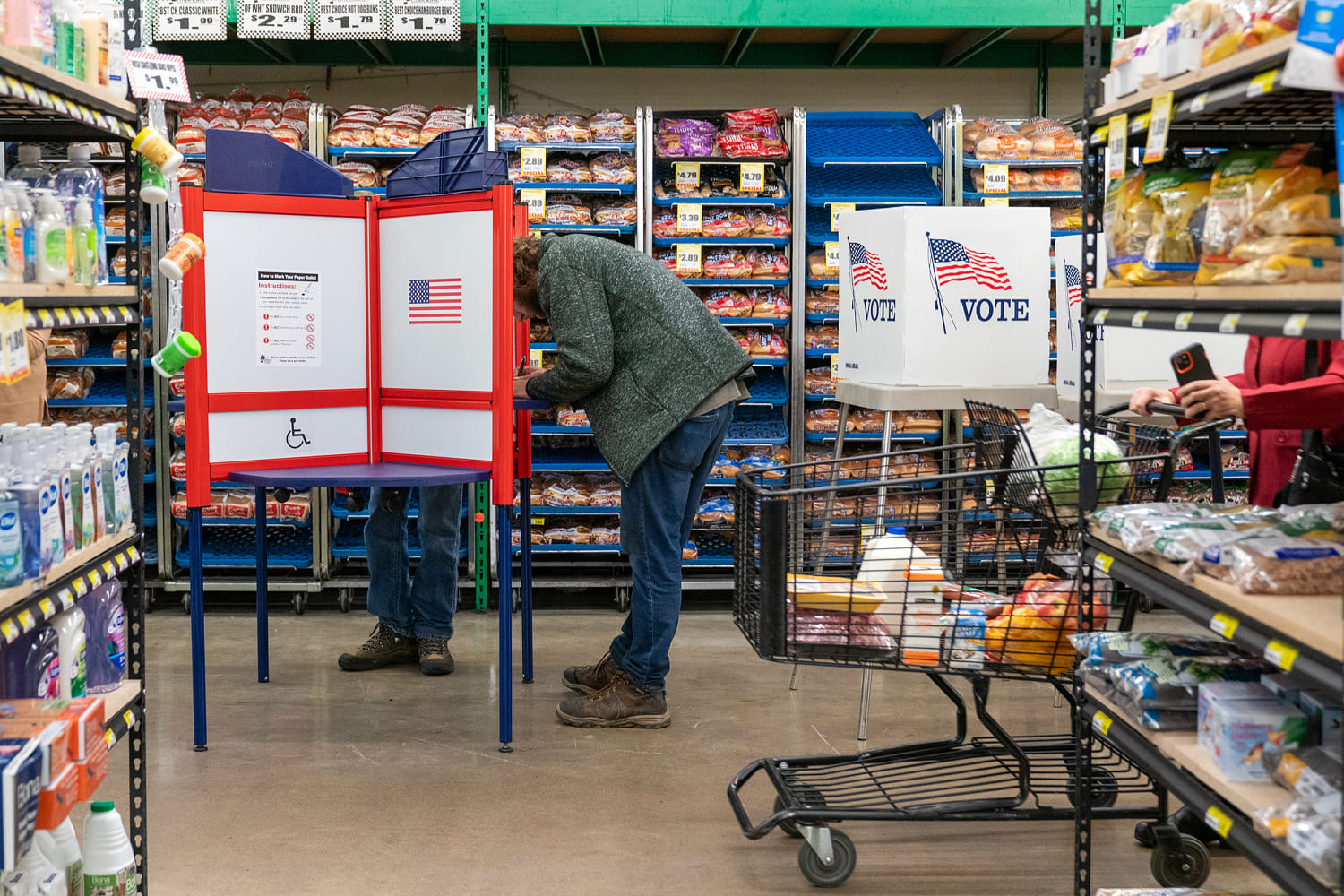
Image via NBC News
Democrats ran on affordability. Governing on it will be the hard part.
Democrats leaned heavily on affordability in the midterms, betting that the most persuasive closing argument was straightforward: everyday costs are still too high, and Washington should act. It worked politically in key races, but the governing challenge is brutal: prices can cool at the margins while voters still feel squeezed by rent, insurance, groceries, and borrowing costs.
The history is unforgiving. Even presidents who center their agenda on lowering prices run into the same constraints: the Federal Reserve controls monetary tightening, global energy and food markets swing on geopolitics and weather, housing supply moves slowly, and “corporate greed” rhetoric doesn’t substitute for the policy mechanics of increasing competition or supply. The pressure point now is expectations. If Democrats over-promise quick relief, they risk replaying the dynamic that dogged Republicans when inflation stayed sticky and households kept noticing that “slower increases” still aren’t “lower prices.”
✓ The Bottom Line: Democrats earned points for naming the problem clearly, but the public is going to grade them on outcomes, not messaging. The best path is boring but real: accelerate housing supply, target specific cost centers like permitting, shipping, and health care billing, and avoid sweeping price-fixing schemes that usually backfire. If they treat affordability as a slogan rather than a sustained, measurable agenda, the political hangover will arrive fast.
📎 NBC News

Image via Investing.com
Nasdaq 100 futures slip as traders rotate out of chip leaders after the rally
Nasdaq 100 futures slid as investors digested the post-midterms landscape and continued a rotation away from heavily owned semiconductor names. After a strong run led by AI-linked chips, even modest changes in positioning can look dramatic: when the same stocks are crowded, “profit-taking” becomes a story in itself.
The bigger signal is what’s underneath the tape. Markets are weighing what unified or strengthened Democratic power could mean for regulation, industrial policy, and taxes, while also recalibrating for rates, earnings durability, and valuation. A one-day move does not equal a trend, but the rotation suggests traders are looking for cheaper parts of tech, broader cyclicals, or defensives that benefit if growth cools and rates stay restrictive longer than hoped.
✓ The Bottom Line: A 1% futures drop is noise; the rotation message matters more than the headline. Chip leaders can keep winning fundamentally while still being vulnerable to de-risking when positioning is stretched and valuations leave little room for disappointment. If you want to understand the next leg, watch earnings revisions and rate expectations, not the midterm hot takes.
DeSantis calls the GOP’s losses an “extinction-level event” and warns of a long rebuild
Florida Gov. Ron DeSantis offered a blunt post-election diagnosis, calling the GOP’s setbacks an “extinction-level event” and arguing Republicans may need years to claw back. The comment captures what many operatives privately admit: the party can’t simply blame candidate quality or a bad news cycle if losses are broad and repeat across states and suburbs.
The open question is what “rebuild” actually means in practice. For one camp, it’s a strategic pivot: a sharper focus on cost-of-living issues, less drama, and a more disciplined approach to persuadable voters. For another, it’s doubling down on populist grievances and treating the losses as proof the party wasn’t combative enough. The internal argument is likely to intensify as donors, activists, and elected officials try to claim a mandate for their version of the future.
✓ The Bottom Line: DeSantis is right to treat repeated losses as a structural problem, not a temporary fluke. But calling it “extinction-level” only helps if it leads to a real course correction: credible economic answers, less self-inflicted controversy, and candidates who can win outside safe territory. A party that can’t expand its coalition eventually gets governed over, not negotiated with.

Image via RealClearMarkets
After the blue wave, corporate America recalculates: taxes, regulation, and political ROI
A “blue tidal wave” result is forcing businesses and investors to reprice the political map. The immediate corporate takeaway isn’t just policy risk; it’s how much money got spent and how little some of it seemed to matter. High-profile donors who bet big on outcomes are facing the uncomfortable math of political return on investment.
The policy implications will vary by sector, but the menu is familiar: potential changes to corporate and high-income tax treatment, more aggressive antitrust posture, tougher labor and consumer-protection enforcement, and a renewed push around climate and industrial policy. At the same time, Democratic governance often comes with its own pro-business lanes, including infrastructure build-outs, domestic manufacturing incentives, and regulatory clarity for companies that can adapt. The divide will be between firms positioned to comply and capture subsidies and those exposed to enforcement or higher effective tax rates.
✓ The Bottom Line: The most realistic corporate response is neither panic nor celebration; it’s budgeting for higher compliance costs and focusing on execution. Big political spending looks especially questionable when it’s personalized, performative, or aimed at cultural signaling rather than durable policy outcomes. Companies should spend less time trying to pick winners and more time preparing for whichever set of rules actually passes.

Image via TheStreet
Nike confronts a style hangover as Jordan and Dunk momentum cools
Nike is facing a demand shift that’s hard to spin: iconic franchises like Jordan and Dunk are no longer carrying the same growth they did during the sneaker boom, and management is acknowledging blind spots. On its earnings call, the company signaled it’s rethinking product cadence, allocations, and how it balances scarcity with scale.
Analysts remain skeptical, with at least one prominent Wall Street voice sticking to a cautious stance even after management’s candor. The challenge is straightforward but difficult: Nike has to refresh heat around signature franchises without flooding the market, while also building the next wave of product winners and protecting margins in a consumer environment that’s more promotional and less forgiving.
✓ The Bottom Line: Nike’s honesty is helpful, but the fix is execution, not admissions. When a brand leans too hard on a few silhouettes, it eventually runs into saturation and discounting, and that can take multiple seasons to unwind. The question isn’t whether Nike can create demand; it’s whether it can do it without training consumers to wait for markdowns.
That’s the state of play: voters want cheaper living, markets want clearer earnings, and every institution is relearning that slogans and spending don’t guarantee results. Back tomorrow with the next set of signals worth your time.
— Brief Updates Editorial