In partnership with

Frontier models perform better in Attio’s agent harness.

We gave GPT-6 Astra the same job twice: analyze 100 sales calls and draft the follow-ups, once in Ask Attio and once in ChatGPT.
Ask Attio finished in 4 minutes 49 seconds. ChatGPT took 26 minutes 11 seconds, about 5.4 times as long.
The most ambitious GTM work requires more than frontier intelligence. It requires architecture that can put that intelligence to work at scale.

Today’s briefing: A fatal New York construction-area collapse raises hard questions about oversight; an active-shooter response in Washington underscores urban policing strains; Nvidia’s leadership crisis jolts the AI economy; Washington’s impeachment drama pauses; and new data suggests venture capital’s exit problem is getting worse just as Anthropic nears an IPO.
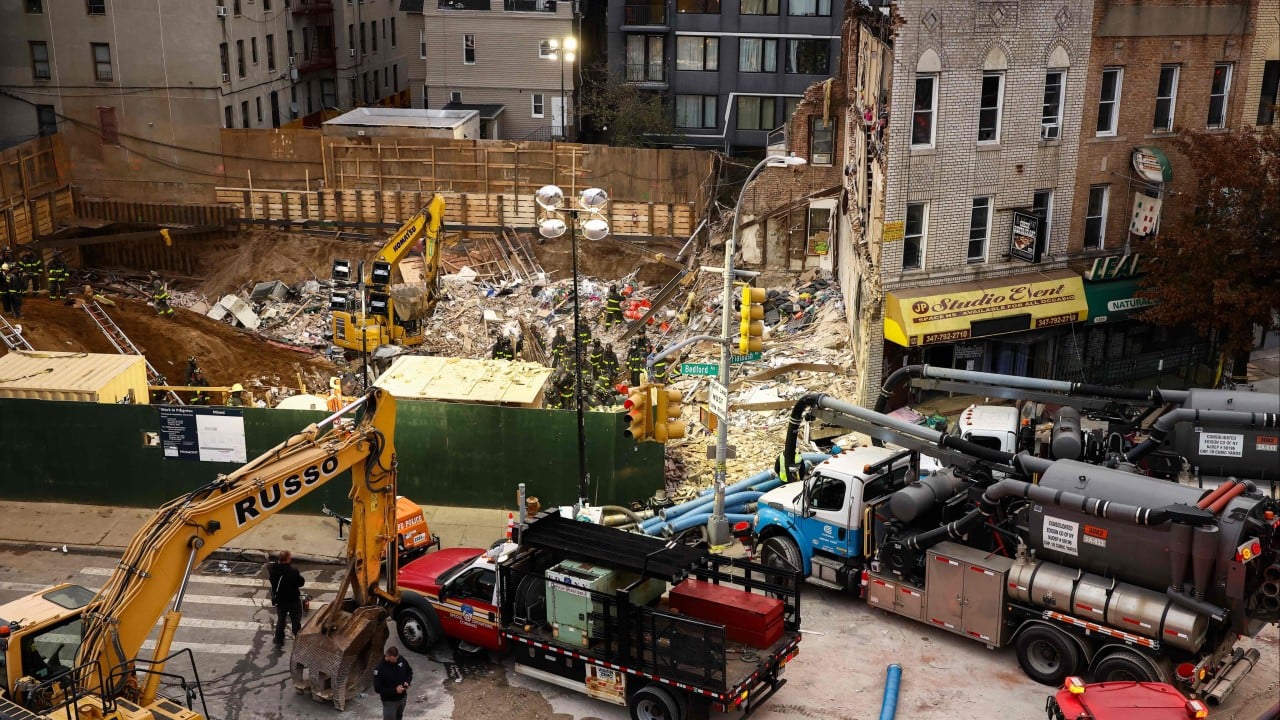
Image via South China Morning Post
Brooklyn building collapse death toll rises to 8 as search continues
New York City officials say at least eight people have died after a three-story building collapsed in Brooklyn at the edge of a construction site. The mayor said rescue and recovery operations continued Thursday as firefighters and other crews worked the scene.
The early focus is on whether the collapse was linked to adjacent construction activity, structural instability, or a combination of factors, with investigators expected to review permits, site safety practices, and any prior violations or complaints. For residents and nearby businesses, the immediate reality is disruption, displacement, and a long wait for answers about preventability and accountability.
Beyond the tragedy, this will test how aggressively city agencies enforce building and construction rules in dense neighborhoods where projects push up against older structures. If oversight failed, the political and legal fallout will be swift; if the rules were followed, the incident will still intensify pressure to tighten standards around excavation, shoring, and adjacent-building monitoring.
✓ The Bottom Line: When people die at the edge of a construction site, “accident” is not an explanation; it’s a starting point for determining whether basic safeguards were ignored. New York has thick rulebooks, but rules only matter if inspections are frequent, independent, and willing to shut work down. The public deserves a clear chain of responsibility, not a fog of contractors blaming one another.

Image via ABC News
Four shot in Washington, DC as police respond to active shooter call
Washington, D.C. police responded Thursday to reports of an active shooter, with sources telling ABC News that four people were shot. Authorities moved to secure the area, assess ongoing threats, and provide emergency medical response as information developed.
Early reporting in situations like this can be fluid: initial calls, witness accounts, and on-scene chaos often produce conflicting details about the suspect, motive, and whether the threat has been contained. What matters first is public safety guidance, confirmation of the scene status, and transparent updates that separate verified facts from speculation.
The broader context is D.C.’s persistent struggle to reduce violent crime while also maintaining public trust and effective prosecution. Each high-profile shooting hardens public frustration, and it renews scrutiny on staffing levels, repeat-offender dynamics, and whether city leadership is aligning policing strategy with the realities on the ground.
✓ The Bottom Line: D.C. doesn’t need performative rhetoric after shootings; it needs consistent enforcement, better intelligence-led policing, and a justice system that treats illegal gun violence as urgent, not routine. The city’s leaders should prioritize clear communication and measurable results over narrative management. A capital city should not normalize active-shooter responses as a recurring civic inconvenience.
📎 ABC News
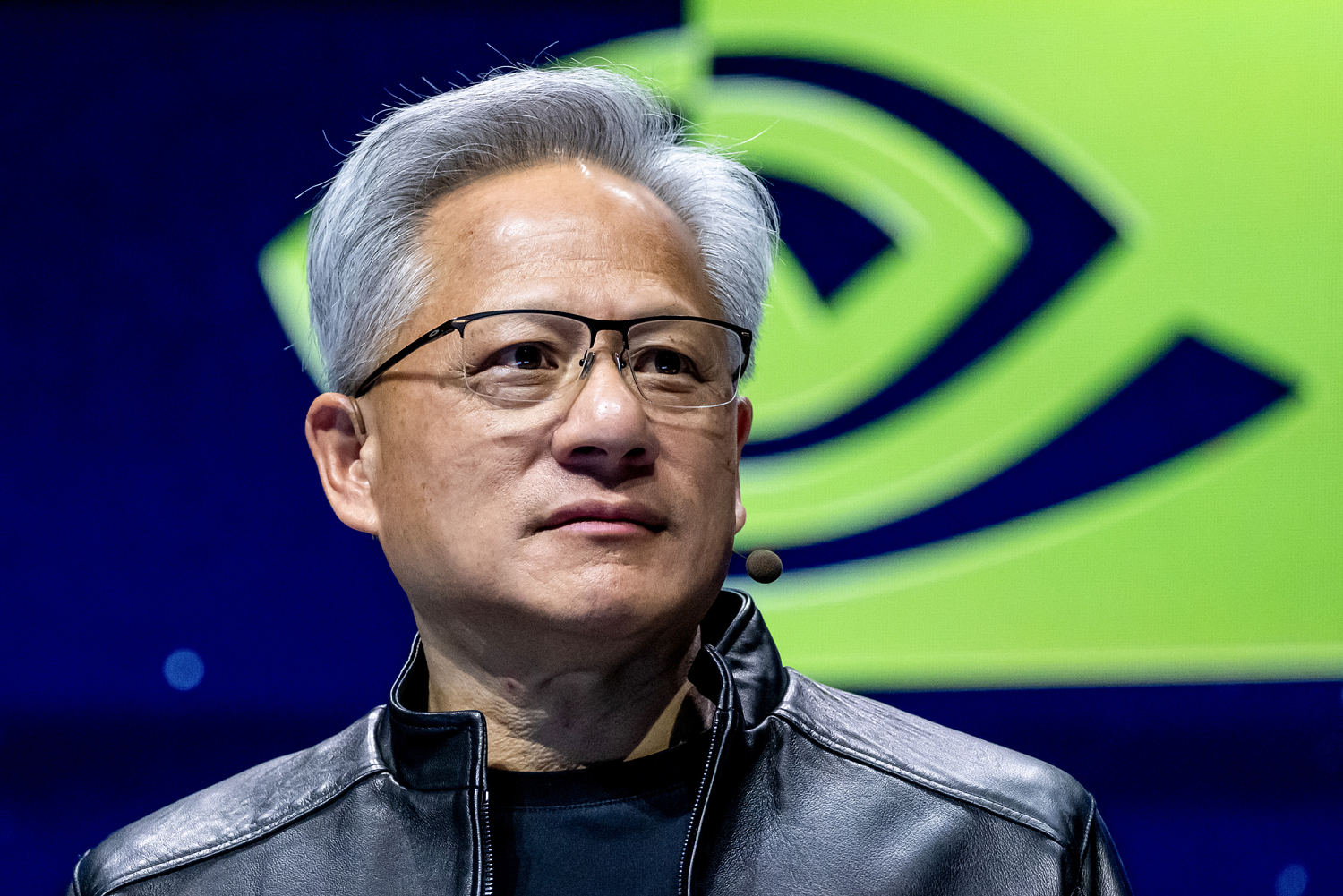
Image via NBC News
Nvidia CEO Jensen Huang resigns amid reports of improper relationships
Nvidia CEO Jensen Huang has resigned following reports alleging multiple extramarital relationships, including one involving a subordinate and another with a suspected conflict-of-interest dimension, according to NBC News. The development lands at a sensitive moment for Nvidia, a pillar of the AI boom whose leadership credibility has been central to investor confidence.
The immediate corporate questions are governance and risk containment: what the board knew, what internal policies covered executive conduct and reporting lines, and whether any company resources or business decisions were compromised. A relationship with a direct report is particularly explosive because it raises coercion concerns, exposes the company to liability, and undermines workplace standards regardless of performance metrics.
For markets, the issue is continuity. Nvidia’s product roadmap, supply constraints, and competitive positioning won’t vanish overnight, but leadership turmoil can complicate partnerships, talent retention, and long-cycle customer planning. The episode also adds to a growing set of reminders that “AI era” valuations still hinge on old-fashioned corporate discipline.
✓ The Bottom Line: Boards are paid to prevent exactly this kind of reputational and legal shock, not just react to it. If allegations involve subordinates, resignation is the right outcome because the power imbalance alone makes consent and workplace fairness impossible to police. Nvidia can recover, but investors should demand a credible internal review and governance reforms, not a quick PR reset.
📎 NBC News

Image via The Dispatch
Hegseth avoids impeachment push for now as Washington recalibrates
A nascent impeachment effort aimed at Hegseth has stalled, at least temporarily, with lawmakers signaling the votes and timing aren’t there right now, according to The Dispatch. The pause reflects a familiar reality: impeachment is as much a political math problem as it is a question of misconduct, and leadership often prefers to bank leverage rather than force a losing floor fight.
The Dispatch frames the moment as “for now,” which is doing real work. When a party or faction retreats from impeachment, it can mean evidence is thin, the public isn’t engaged, or the coalition is fractured; it can also mean strategists are waiting for a cleaner procedural opening or a more compelling fact pattern.
The practical consequence is that attention shifts to oversight tools short of impeachment: hearings, subpoenas, inspector general scrutiny, and internal discipline. For voters, the signal is that even in a high-temperature political climate, the threshold for impeachment remains higher than online chatter suggests.
✓ The Bottom Line: Impeachment should be rare and evidence-driven, not a substitute for normal oversight or a way to juice fundraising. If the case is strong, make it transparently and build a bipartisan factual record; if it isn’t, lawmakers should stop hinting and start governing. “For now” is fine, but endless impeachment flirtation corrodes credibility on every side.
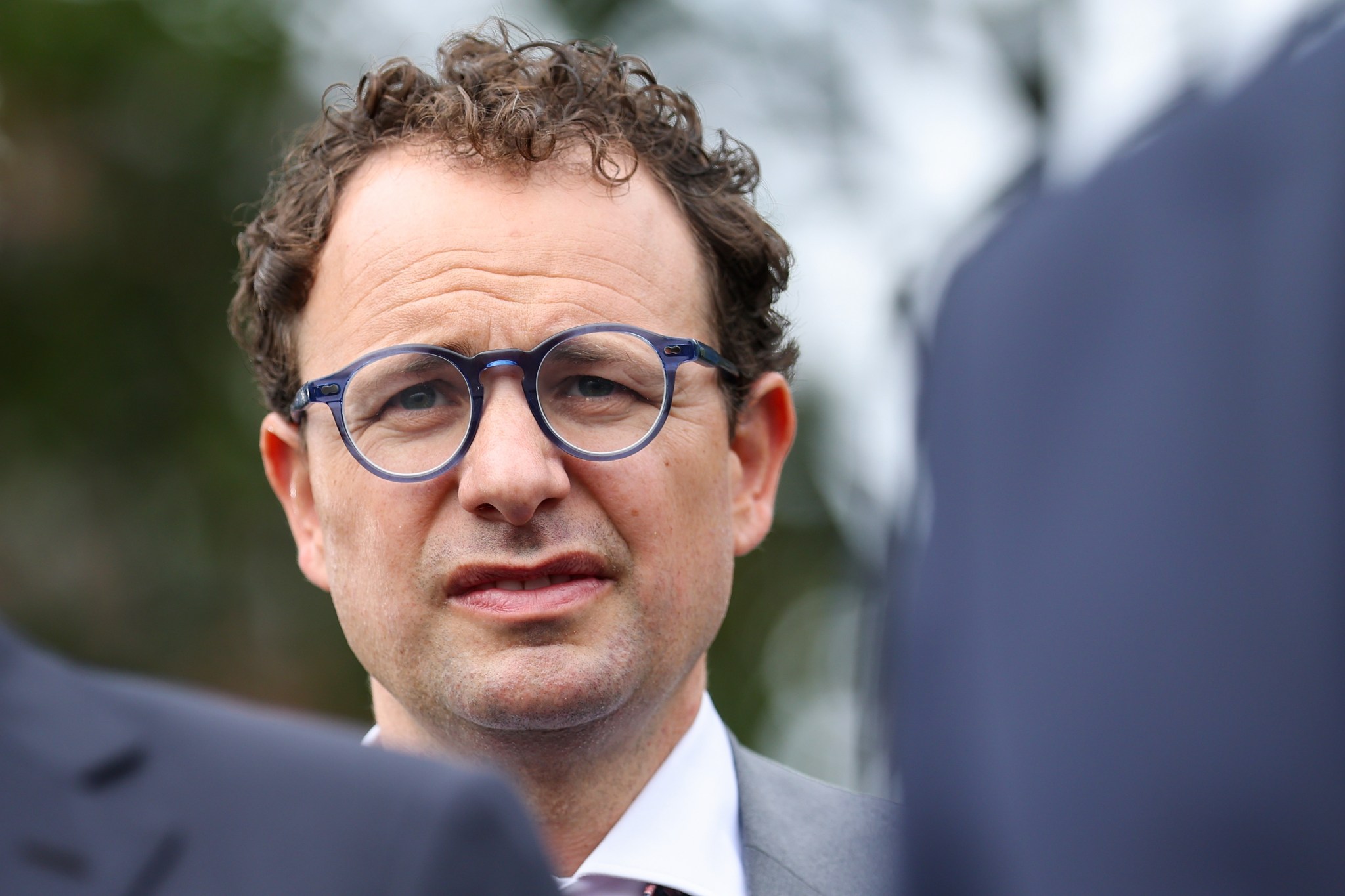
Image via Fortune
Venture capital’s exit drought deepens as Anthropic’s IPO nears
New PitchBook data highlighted by Fortune suggests venture capital is entering a more strained phase: many unicorns are maturing, but exits remain limited, leaving funds and founders stuck between high private valuations and a public market that demands proof. The timing is notable as Anthropic prepares for an IPO, potentially becoming a bellwether for whether AI can reopen the exit window.
The underlying tension is valuation discipline. In the low-rate era, late-stage rounds often priced in years of growth and near-flawless execution; today, higher capital costs and tighter liquidity force a reckoning. If IPO pricing resets lower than private marks, it can trigger down-round pressure across portfolios and complicate fundraising for newer vintages.
Anthropic’s offering, if it proceeds, will be watched for more than demand; the market will scrutinize revenue quality, compute costs, customer concentration, and the durability of enterprise adoption. A successful IPO could thaw sentiment, but one deal can’t fix a pipeline problem that has built up across years of aggressive private market assumptions.
✓ The Bottom Line: Venture’s core promise is liquidity, and the industry has been living too long on paper gains without real exits. If Anthropic prices rationally and performs as a public company, it could help restore a healthier standard for AI valuations. But if it tries to defend private-market hype, it may end up reinforcing the very skepticism that’s keeping the exit door closed.
📎 Fortune
That’s Brief Updates for Thursday. We’ll be watching for confirmed details out of D.C., investigative findings in Brooklyn, and what Nvidia’s board does next to stabilize trust and execution.
— Brief Updates Editorial