Today’s Sponsor
The Fed held rates, CPI came in at 2.4%, and analysts still expect 12.5% Q1 earnings growth — but estimates have already been cut across nine sectors and the S&P 500 is stretched above its 5- and 10-year average forward P/E. Trading earnings on headlines alone in this environment is a costly mistake.
The free Earnings Season eBook breaks down the exact pre-report checklist, how to weigh guidance and expectations, and how to read the first reaction after numbers hit — so you're never improvising after the move already started.
Get the Free Earnings PlaybookBy clicking the link above, you will receive this free report and a free subscription to the StockEarnings daily email newsletter. You are also agreeing to the terms of our Privacy Policy. Unsubscribe at any time.

Monday, October 5, 2026 | A fair, well-rounded look at today’s news — with context and implications.
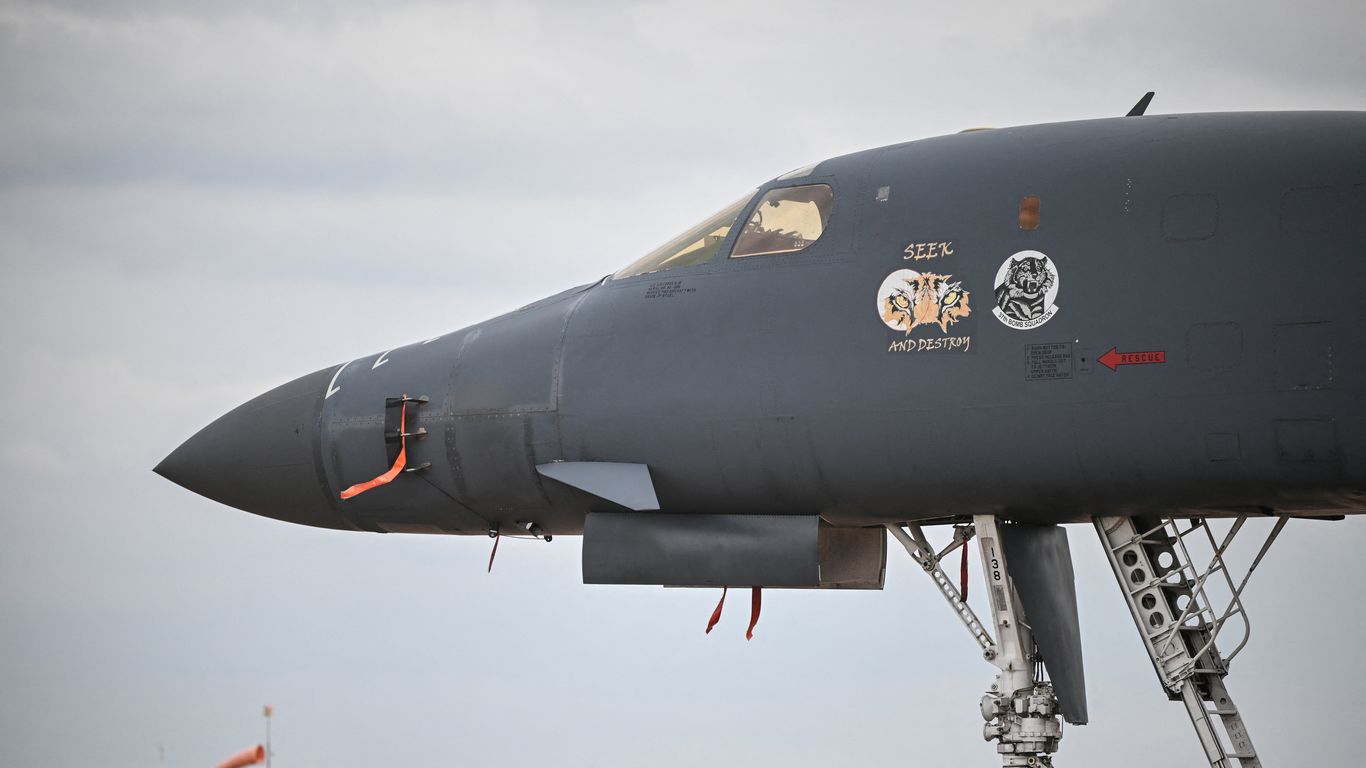
Image via Axios
U.S. Moves B-1 Bombers Out of UK Base After Iran-Linked Threats
The Pentagon confirmed the U.S. military evacuated roughly a dozen B-1 bombers from RAF Fairford in the United Kingdom over the weekend, following what a U.S. official described as a threat environment tied to Iran. The relocation underscores how quickly the U.S. is adjusting posture in Europe when credible targeting risk emerges, even absent open hostilities between Washington and Tehran.
RAF Fairford is a familiar rotational hub for U.S. strategic aircraft and a visible symbol of NATO reach. Moving bombers is both protective and signaling: it reduces vulnerability to long-range strike, sabotage, or proxy attacks while reminding adversaries that U.S. airpower is mobile, dispersed, and not dependent on any single base.
The episode lands amid broader regional volatility and a pattern of Iran and aligned groups using threats, drones, and deniable pressure to shape Western decision-making. For the U.S. and allies, it will likely mean more hardening, more dispersal, and more emphasis on integrated air and missile defense around high-value platforms.
✓ The Bottom Line: This looks like prudent force protection, not panic. When an adversary hints it can target a known location, the smart move is to remove the easy shot and complicate their planning. If Iran or its partners are trying to create political leverage through intimidation, routine dispersal is the right answer: deny them a headline and keep deterrence intact.
📎 Axios

Image via The Hill
Cruz Calls Vance ‘Insecure’ as 2028 Shadowboxing Breaks Into the Open
Sen. Ted Cruz took a shot at Vice President J.D. Vance, calling him “insecure” after Vance’s recent remarks suggested Cruz was angling for a future White House bid. The exchange is an early glimpse of the post-2026 Republican landscape, where ambitious figures are already positioning for 2028 and trying to define one another before the primary season formally begins.
Cruz remains a fixture in conservative politics with a donor network and strong name recognition, while Vance has the unique advantages and liabilities of being a sitting vice president: instant megaphone, built-in coalition pressures, and heightened scrutiny. The friction also reflects a party still negotiating its identity between populist-nationalist energy and traditional conservative instincts, with personalities often standing in for ideological divides.
Strategically, public sniping can be a way to raise one’s profile, rally factions, and test message lines. It also carries risk: intraparty drama can distract from governing and from midterm messaging, especially if voters see the party as more focused on succession fights than on inflation, security, and public order.
✓ The Bottom Line: This is the kind of early-cycle ego combat that rarely ages well. Republicans have a deep bench, but they should be careful not to turn 2028 into a reality show while the country is still judging performance now. If Vance and Cruz want to look serious, they’ll spend less time psychoanalyzing each other and more time making an affirmative case on results.
📎 The Hill

Image via Politico
Buttigieg Hits the Trail for 2026 Democrats, Testing a Message for What’s Next
Pete Buttigieg is ramping up late-cycle campaigning for Democrats, planning stops across at least six states in the closing stretch of the 2026 midterms. The travel schedule signals he is both a party surrogate and a national figure-in-waiting, aiming to help candidates down-ballot while sharpening a narrative that can work in swing territory.
Politically, Buttigieg’s appeal has long been his ability to translate progressive priorities into language that can sound mainstream to suburban and college-educated voters. As he heads into competitive states and familiar proving grounds like New Hampshire, he’s also building relationships, collecting data in real time, and refining the contrast Democrats want against Republican candidates on abortion, democracy/process arguments, and pocketbook concerns.
For Democrats, high-profile surrogates can energize volunteers and donors, but they also bring baggage: opponents will tie local candidates to national brand problems. The tactical challenge is making Buttigieg an amplifier of local messages rather than the story himself.
✓ The Bottom Line: Buttigieg is one of the Democrats’ more disciplined communicators, and as a surrogate he’s better at staying on script than many in his party. Still, national figures can’t outrun local fundamentals, especially on cost of living and public confidence in institutions. If his appearances help candidates talk like normal people about concrete results, that’s a net plus; if it becomes about his own next step, it’s a distraction.
📎 Politico
Oil Holds Near $100 as Red Sea Fighting Keeps a Risk Premium in Place
Brent crude hovered around $100 a barrel even as news pointed to increased Middle East oil flows, reflecting how security risk can overwhelm supply headlines. Markets continue to price in uncertainty tied to conflict dynamics around Yemen and the Red Sea, where Iran-backed Houthi forces remain a destabilizing factor for global shipping routes.
The Red Sea and the Bab el-Mandeb chokepoint matter because disruptions force longer routes, higher insurance costs, and delays that ripple into energy and consumer goods prices. Even when physical barrels are available, the question becomes whether they can move predictably and cheaply. That’s why traders often keep a “geopolitical premium” on prices during flare-ups.
For policymakers, the dilemma is familiar: protecting maritime commerce without escalating into a wider regional confrontation. For consumers, the practical consequence is that gas and heating costs can remain elevated even when production data looks reassuring on paper.
✓ The Bottom Line: The market is signaling something policymakers sometimes prefer to ignore: shipping security is energy security. If the Red Sea remains contested, Americans and Europeans will keep paying a tax in the form of higher prices and greater volatility. The priority should be sustained, coalition-based protection of sea lanes paired with clear consequences for repeated attacks, not episodic responses that invite the next disruption.
📎 CBS News
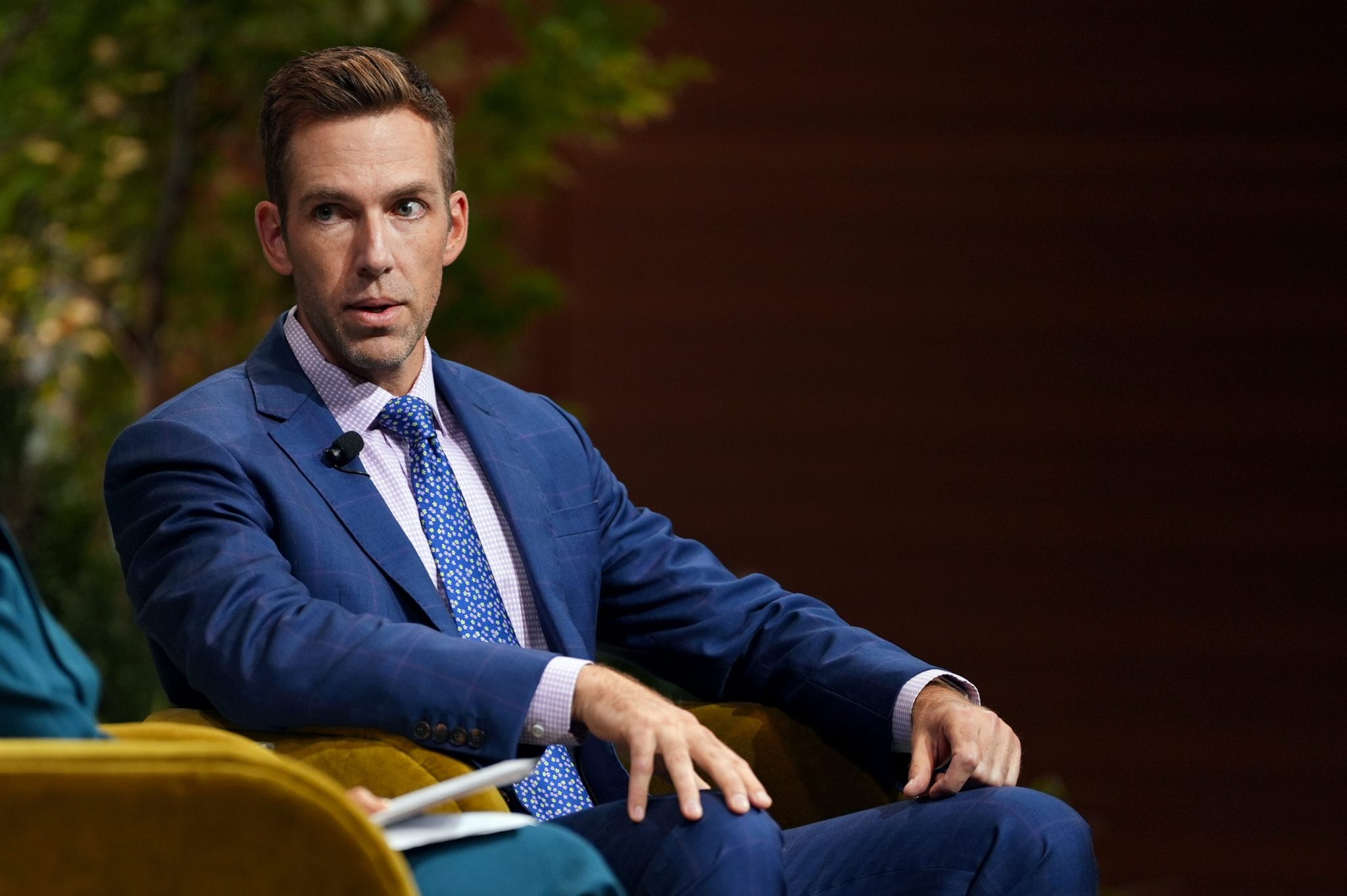
Image via Fortune
NVIDIA Sustainability Chief Argues Nuclear Power Is the Missing Link for AI-Era Electricity Demand
NVIDIA’s head of sustainability is making the case that America’s long period of flat electricity demand is ending, driven by data centers, AI computing, electrification, and industrial reshoring. The argument: meeting that surge reliably and affordably will require a serious nuclear energy expansion alongside renewables and grid upgrades.
The nuclear pitch is increasingly pragmatic rather than ideological. Advanced reactors and small modular reactor designs promise easier siting and improved safety features, while existing plants offer carbon-free baseload power that complements intermittent wind and solar. But the barriers are real: long permitting timelines, high upfront capital costs, fuel-cycle considerations, and a workforce and supply chain that need rebuilding.
For the tech sector, the stakes are direct. If electricity becomes scarce or expensive in key regions, it constrains growth and pushes computing loads elsewhere. That’s why companies are becoming louder advocates for “all of the above” clean power, including nuclear, with an emphasis on speed, reliability, and system resilience.
✓ The Bottom Line: The evidence is pointing toward a simple conclusion: the U.S. can’t power an AI-heavy economy on slogans and wishful thinking. Renewables are essential, but without firm generation and faster transmission buildout, reliability and prices will suffer. A nuclear build-out won’t be quick, but starting late guarantees worse outcomes; the serious move now is permitting reform, standardized designs, and keeping existing reactors online while new capacity comes up.
📎 Fortune
That’s Brief Updates for Monday. We’ll be watching how the security picture, energy markets, and 2028 positioning evolve as the week takes shape.
— Brief Updates Editorial