Today’s Sponsor
Oil markets are shifting as Venezuela's disruption removes critical barrels while spare capacity shrinks. Supply pressure is building before headlines catch up — and smart traders are positioning now.
Our exclusive briefing reveals three energy stocks emerging from this supply shock, plus the key signals to monitor as this setup evolves. This is about preparation, not prediction.
Get the Free Oil Trading ReportBy following the links above, you're opting in to receive valuable updates from Wealthiest Investor News plus 2 bonus subscriptions. Your privacy is important to us. You can unsubscribe anytime. See our privacy policy for details.

Wednesday, July 22, 2026 | A fair, well-rounded look at today’s news — with context and consequences, not hot takes.

Image via Axios
Nvidia’s Huang says the real risk isn’t Chinese open-source AI — it’s America trying to ban it
Nvidia CEO Jensen Huang is pushing back on rising Washington anxiety over Chinese open-source AI models, arguing the U.S. has more to lose from trying to block them than from competing with them. In an interview, Huang framed open-source as an accelerant for innovation and adoption — and warned that broad bans could isolate U.S. developers, distort markets, and hand influence to non-U.S. ecosystems by default.
The backdrop is a surge of attention on Chinese models that have posted strong performance at low cost, intensifying concerns about security, propaganda, and the possibility that open weights make it easier to build harmful systems. Huang’s view is that the U.S. advantage comes from leading on chips, platforms, and talent — and that a fear-driven crackdown on models could undercut American competitiveness while doing little to stop global diffusion.
Source: Axios
Read the full story at Axios →
AP: Trump signs off on nuclear agreement that could allow Saudi uranium enrichment
President Trump has approved a nuclear agreement with Saudi Arabia that may permit uranium enrichment on Saudi soil, according to two people familiar with the matter cited by the Associated Press. Enrichment is the central proliferation flashpoint: it can be used for civilian reactor fuel, but it also shortens the pathway to weapons-grade material if a country chooses to move in that direction.
Supporters argue the deal could bring Riyadh’s program under clearer rules, deepen U.S.-Saudi ties, and keep Chinese or Russian vendors from dominating the kingdom’s nuclear buildout. Critics counter that allowing enrichment in a volatile region weakens longstanding U.S. nonproliferation standards and could prompt a cascade, with other regional powers seeking similar capabilities.
Source: Associated Press
Read the full story at Associated Press →
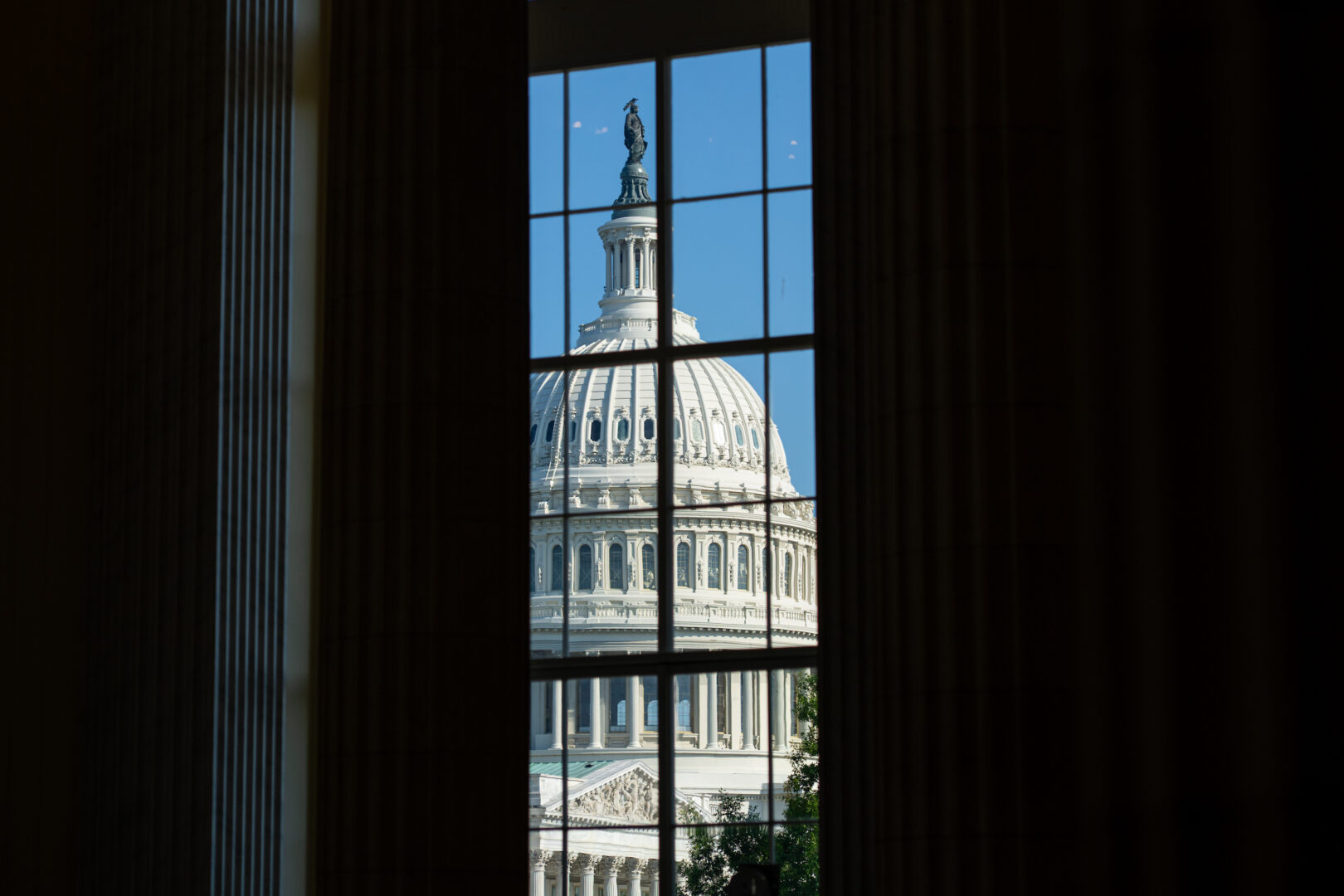
Image via Roll Call
House passes funding extension; Senate expected to rewrite as shutdown clock keeps ticking
The House has passed a short-term funding extension to keep the government operating, sending the measure to the Senate where leaders are signaling changes are likely. The move buys time, but it does not resolve the underlying fights over overall spending levels and policy riders — the kind of unresolved disputes that routinely reappear when stopgaps run out.
For House leaders, the extension functions as a pressure valve: it reduces immediate shutdown risk while keeping leverage for the next round of negotiations. For the Senate, the next step is typically a rewrite aimed at securing a broader coalition — often by stripping provisions that can’t clear 60 votes, adjusting timelines, or rebalancing funding priorities.
Source: Roll Call
Read the full story at Roll Call →
Zelenskyy swaps out Ukraine’s top commander after protests, raising questions about wartime leadership
Ukrainian President Volodymyr Zelenskyy has replaced the country’s commander-in-chief following several days of protests, according to Al Jazeera. Leadership changes at the top of the military are not unusual during long wars, but the timing — amid public demonstrations — adds political intensity and invites scrutiny about civil-military relations under wartime strain.
The shift comes as Ukraine faces grinding battlefield pressures, manpower constraints, and continued dependence on Western weapons and financing. A change in top command can signal a strategic reset, an effort to restore confidence, or an attempt to consolidate authority. It can also carry risk: command transitions can disrupt planning and morale if not managed carefully.
Source: Al Jazeera
Read the full story at Al Jazeera →

Image via MarketWatch
AT&T shares rise on earnings as subscriber gains and cash flow reassure Wall Street
AT&T’s stock moved higher after the company reported results that topped expectations in key areas, including subscriber growth, free cash flow, and profit, according to MarketWatch. In a telecom market where investors have grown impatient with heavy capital spending and intense competition, the combination of customer additions and improving cash generation tends to land well.
The market’s reaction underscores what investors are prioritizing right now: steadier wireless momentum, less churn, and credible follow-through on financial targets. With rates still a concern for debt-heavy sectors, telecom names get rewarded when they show they can fund networks, support dividends, and reduce leverage without optimistic assumptions.
Source: MarketWatch
Read the full story at MarketWatch →
That’s the file for today. We’ll be watching the Senate’s funding rewrite, the details and constraints of the Saudi nuclear framework, and whether AI policy shifts from targeted controls to broad bans — a choice with real competitive costs.
— Brief Updates Editorial