Today’s Sponsor
The biggest market moves rarely start with headlines — they start with early signals. Market Maven Insights has identified a developing trend tied to artificial intelligence, next-gen infrastructure, and shifting market leadership heading into 2026, and their brand-new research briefing breaks it all down. For a limited time, digital copies are available free.
Inside, you'll discover why analysts believe a new wave of market leadership may already be forming, how AI-driven growth themes are reshaping Wall Street, and how to spot momentum opportunities before they go mainstream. Once the headlines catch up — the early positioning window is already closed.
Download Your Free Research BriefingWe encourage readers to perform their own research and due diligence on any information provided. By clicking the link above, you will automatically be subscribed to the Market Mavens Newsletter. Privacy Policy.

New York corruption ripples, NATO nerves, a White House push on gas prices, a Texas flood reckoning in bankruptcy court, and France’s first Ebola case—plus what each means beyond the headline.
Image via AP
Ex–Adams chief of staff arrested as federal bribery probe widens, AP source says
Federal investigators arrested the former chief of staff to ex–New York City Mayor Eric Adams as part of a bribery probe, according to a source familiar with the matter. The arrest signals an escalation in a corruption investigation that has been circling City Hall-era figures and contractors, with prosecutors looking at whether official access and city decision-making were traded for improper benefits.
The case matters beyond the fate of a single aide. New York’s procurement and permitting machinery is massive, and federal bribery statutes are designed to deter precisely the kind of “pay-to-play” behavior that can hide inside consulting arrangements, campaign-adjacent spending, or favors routed through intermediaries. Any further charges—or cooperating witnesses—could broaden scrutiny of how contracts, zoning, or enforcement discretion were handled during the Adams administration, and whether safeguards against conflicts were followed or ignored.
City political leaders from both parties will likely treat the arrest as a test of the system’s credibility: investigators will argue they’re policing public integrity; critics will question timing and scope. Either way, federal public-corruption probes tend to be document-heavy and slow-moving, and the next key indicators will be what prosecutors say in court filings and whether additional defendants are named.
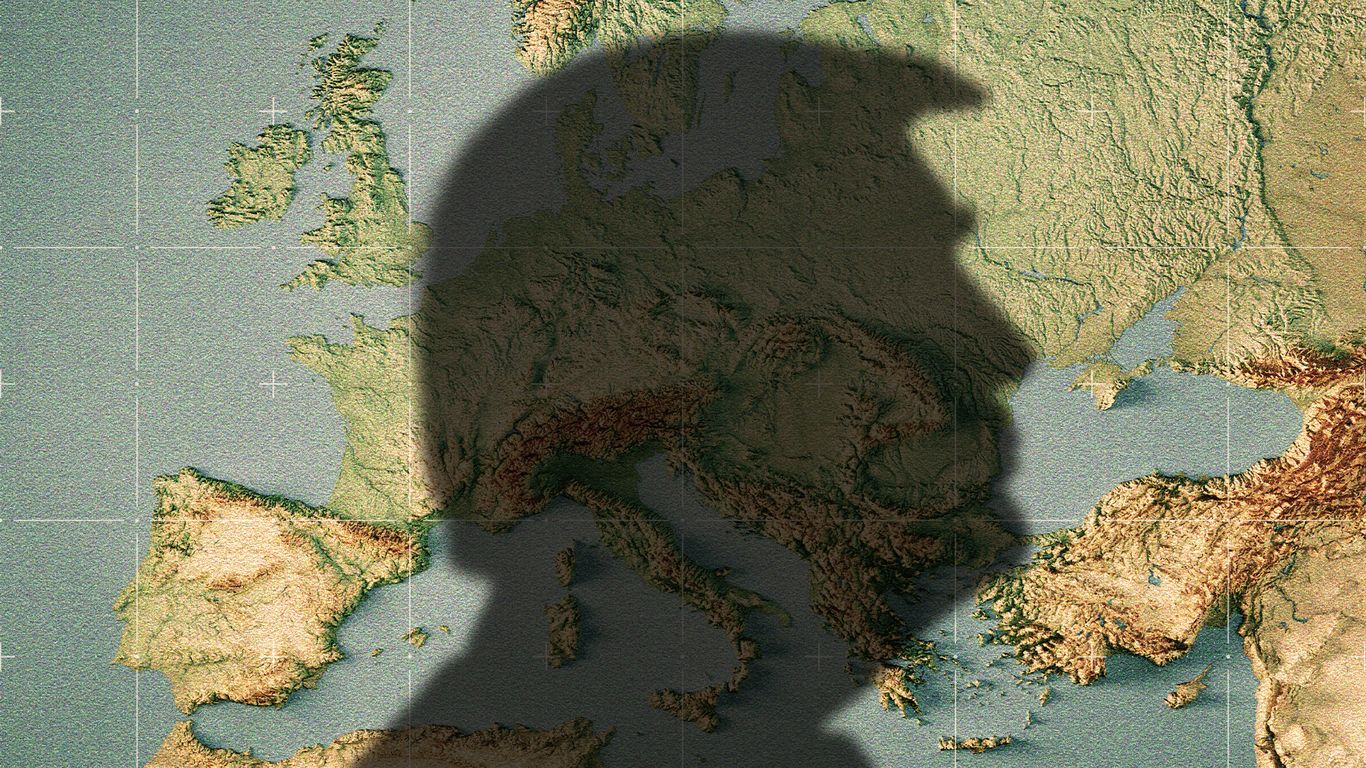
Image via Axios
Trump bears down on NATO, raising stakes for Europe and Washington
President Trump is intensifying pressure on NATO allies in what could move from familiar burden-sharing complaints to a more fundamental reshaping of the trans-Atlantic relationship. Axios reports that recent rhetoric and signals from the administration are being read in European capitals as more than political theater—potentially foreshadowing policy changes that would narrow U.S. commitments or condition American support more aggressively.
The underlying dispute is not new: Washington has long pushed Europe to spend more on defense, modernize forces, and fill capability gaps. What’s changed is the perceived willingness of the U.S. to use alliance uncertainty as leverage, at a moment when Europe faces a higher threat environment and is rearming unevenly. A tougher U.S. posture could accelerate European defense integration and spending—but it could also invite miscalculation if adversaries conclude the alliance is less cohesive.
Practically, the near-term watch points are budgeting and basing decisions, the tone of U.S.-NATO consultations, and whether White House messaging translates into changes in posture, exercises, or guarantees. Even absent formal treaty moves, sustained ambiguity can alter deterrence—and markets and militaries tend to respond to what leaders signal, not only what they sign.
Read the full story at Axios →
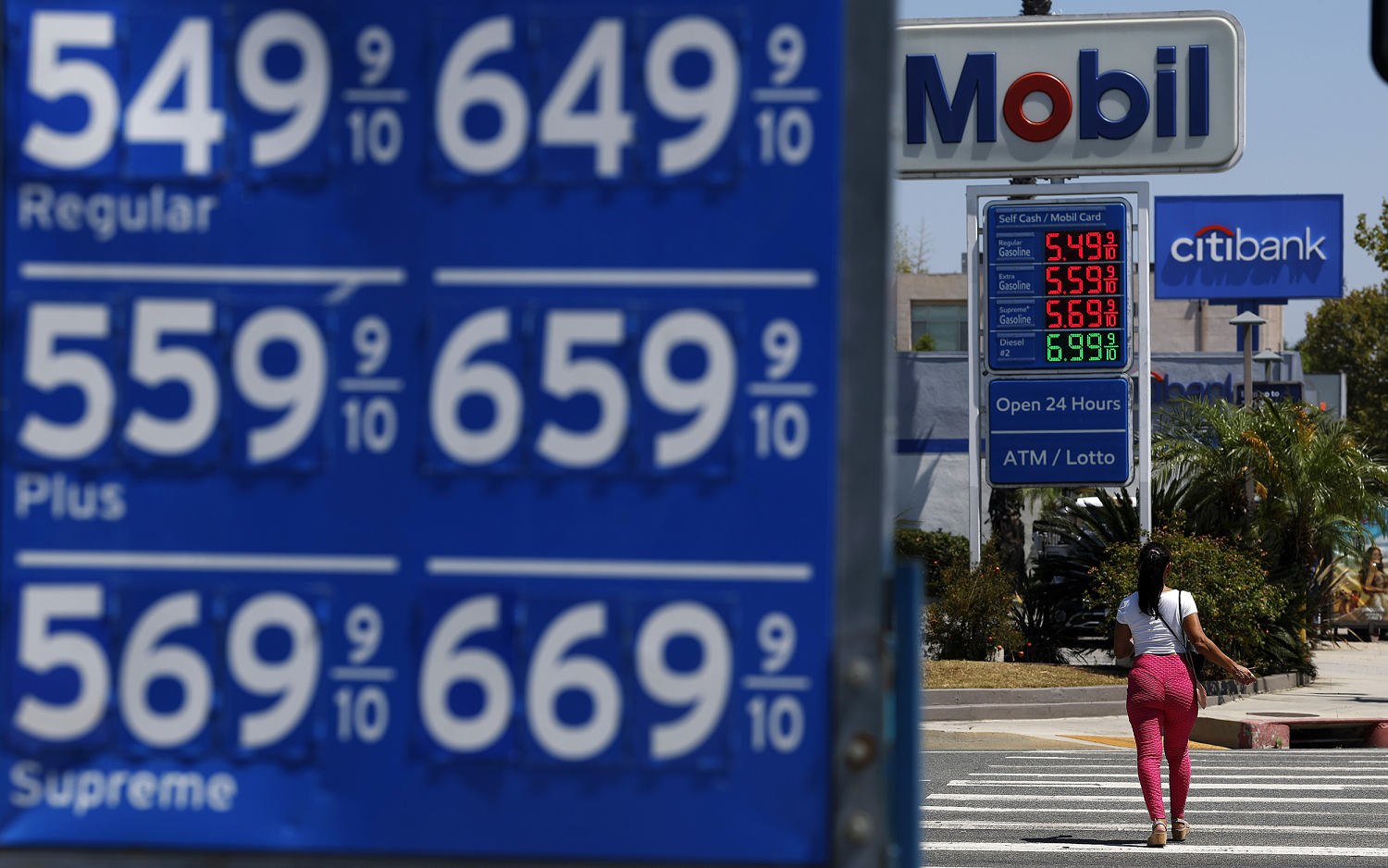
Image via NBC News
Trump accuses oil companies of ‘gouging’ and tells DOJ to probe gas prices
President Trump said he has instructed the Justice Department to immediately investigate oil companies for potential “gouging,” arguing that falling crude prices have not been reflected quickly enough at the pump. NBC News reports the president framed the issue as a consumer fairness problem, tying the timing of retail price changes to broader geopolitical volatility and recent swings in energy markets.
Gasoline pricing is a politically combustible issue because consumers see it daily, but the economics are rarely linear. Pump prices reflect not just crude, but refining margins, regional supply constraints, seasonal fuel blends, distribution costs, and local taxes. Retailers also buy inventory at earlier prices, and price adjustments can lag—sometimes downward as well as upward—depending on market conditions. That complexity makes proving illegal coordination difficult unless investigators find clear evidence of collusion or deceptive conduct.
The move still matters: even if the legal path is steep, a DOJ probe can chill certain behaviors, push companies to justify pricing publicly, and signal that the White House wants to be seen acting on cost-of-living pressures. The risk is that politicized enforcement expectations collide with market reality—and that energy investment decisions become more uncertain if companies believe price outcomes will trigger legal scrutiny absent strong evidence of wrongdoing.
Read the full story at NBC News →

Image via ABC News
Camp Mystic files for bankruptcy after deadly 2025 Texas flooding
Camp Mystic, the all-girls camp that became the center of national attention after catastrophic flooding in July 2025 killed 27 people, has filed for bankruptcy, ABC News reports. The filing marks a consequential turn from the immediate tragedy and rescue operations to the longer legal and financial aftermath—where questions of responsibility, insurance coverage, and compensation are likely to be litigated.
Bankruptcy does not inherently resolve questions of fault, but it often becomes the venue for sorting claims when potential liabilities exceed available assets or coverage. For victims’ families, a court-supervised process can be a path toward structured settlements and clearer disclosure of finances, safety policies, and communications. For the camp and its insurers, bankruptcy can centralize lawsuits, pause scattered litigation, and force a more predictable negotiation process.
The wider implication is for disaster preparedness and duty-of-care standards across camps and youth programs, especially those near rivers and flood-prone areas. As climate and weather risks collide with aging infrastructure and variable local warning systems, the legal system increasingly becomes the backstop that determines whether safety planning met a reasonable standard—often after the worst has already happened.
Read the full story at ABC News →

Image via The Guardian
France confirms first Ebola case; health officials say public risk is low
France has confirmed its first Ebola case in a doctor who had worked in the Democratic Republic of Congo, according to The Guardian. The French health ministry said contact tracing is underway and emphasized that the risk to the broader European public is very low, reflecting both the mode of transmission and established protocols for isolation, monitoring, and infection control.
Ebola spreads through direct contact with bodily fluids of a symptomatic person, not through casual airborne exposure. That distinction is why public-health agencies typically focus on rapid identification, strict isolation, and thorough tracing of close contacts, including medical personnel and household exposures. In high-income health systems with strong hospital infection control, the main dangers are delayed recognition or breakdowns in protective procedures—not routine community spread.
The case will still test readiness: hospitals must follow high-consequence pathogen protocols, public communication must be precise to avoid panic, and coordination across borders matters because travel histories and potential exposures can span countries quickly. The key indicators to watch are whether any secondary cases emerge among close contacts and how quickly officials can verify that monitoring and quarantine measures are complete.
Read the full story at The Guardian →
That’s the file for Wednesday. We’ll be watching the court filings in New York, the substance behind the NATO rhetoric, and whether any real enforcement action follows the gas-price accusations—plus public-health updates out of France.
— Brief Updates Editorial