Today’s Sponsor
It's not gas, groceries, or Medicare premiums. The fastest-rising cost quietly draining American retirees is housing — and Social Security's COLA isn't keeping up. The 2027 adjustment is projected at just 3.9% ($81/month), while rent, property taxes, insurance, and maintenance have surged by hundreds in just two years. Even if your home is paid off, you're still getting squeezed. The Senior Citizens League confirms it: every dollar of Social Security today is worth only 86.3 cents compared to 2016.
Central banks have already responded — buying one specific asset at the fastest pace in 50 years, with JP Morgan forecasting it hits $8,000. Disciplined retirees are making the same move now to protect what they've saved. You're making a decision today whether you realize it or not. Don't leave it to chance.
Get the Free Wealth Preservation GuideThis is an advertisement. If you no longer wish to receive our promotions, please unsubscribe here. Or write to: 5005 Lyndon B. Johnson Fwy. Suite 350, Dallas, TX 75244.

Wednesday, September 2, 2026 | A fair, well-rounded look at today’s news across business, geopolitics, and markets.

Image via Fortune
Stripe’s deal spree evokes early Google: platform ambition meets antitrust reality
Stripe’s recent run of acquisitions is prompting a familiar comparison: the way Google once used a fast-growing core product to build a broader ecosystem, buying adjacent capabilities and pulling more of the internet’s commercial plumbing into its orbit. The bullish case is straightforward: payments is a high-volume, low-margin foundation, and the path to durable profits often runs through software, fraud tools, treasury, billing, and lending infrastructure that can be bundled, cross-sold, and embedded.
The risk side of the analogy is just as real. As a dominant intermediary in online commerce, Stripe’s expansion can invite tougher questions from regulators and large customers alike: what happens to pricing power, data access, and neutrality when one provider tries to become the default layer for identity, risk, and money movement? Investors will also watch whether the company can integrate purchases without diluting reliability, since payments businesses are unforgiving about outages and compliance slipups.
Source: Fortune
Read the full story at Fortune →
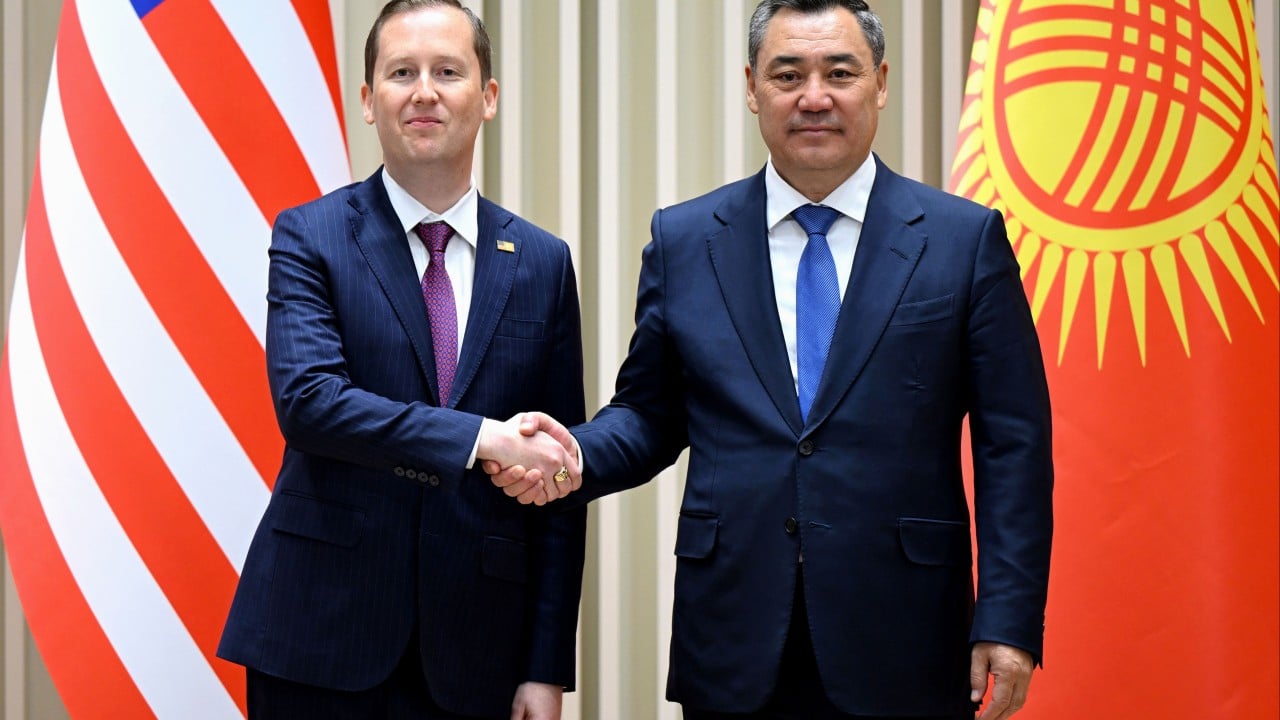
Image via South China Morning Post
In Bishkek, Washington tries to complicate the SCO’s multipolar message
As leaders and senior officials gathered in Kyrgyzstan’s capital for the Shanghai Cooperation Organisation summit, U.S. envoys moved in parallel, meeting with Central Asian counterparts and signaling Washington’s interest in the region even as China and Russia showcased the SCO as a pillar of a “multipolar” order. The choreography matters: Beijing and Moscow want the optics of diplomatic gravity pulling toward their institutions, while the U.S. is trying to show it still has access, relationships, and alternatives to offer.
Central Asian governments are the hinge. They tend to prize sovereignty, investment, and security cooperation, while avoiding being forced into a binary choice between major powers. For Washington, the opportunity is to pursue practical cooperation on trade corridors, energy, sanctions compliance, and counterterrorism without overpromising. The constraint is credibility and bandwidth: if U.S. engagement looks episodic or purely anti-China/anti-Russia, regional leaders will hedge back toward the forums and financiers that show up consistently.
Source: South China Morning Post
Read the full story at South China Morning Post →
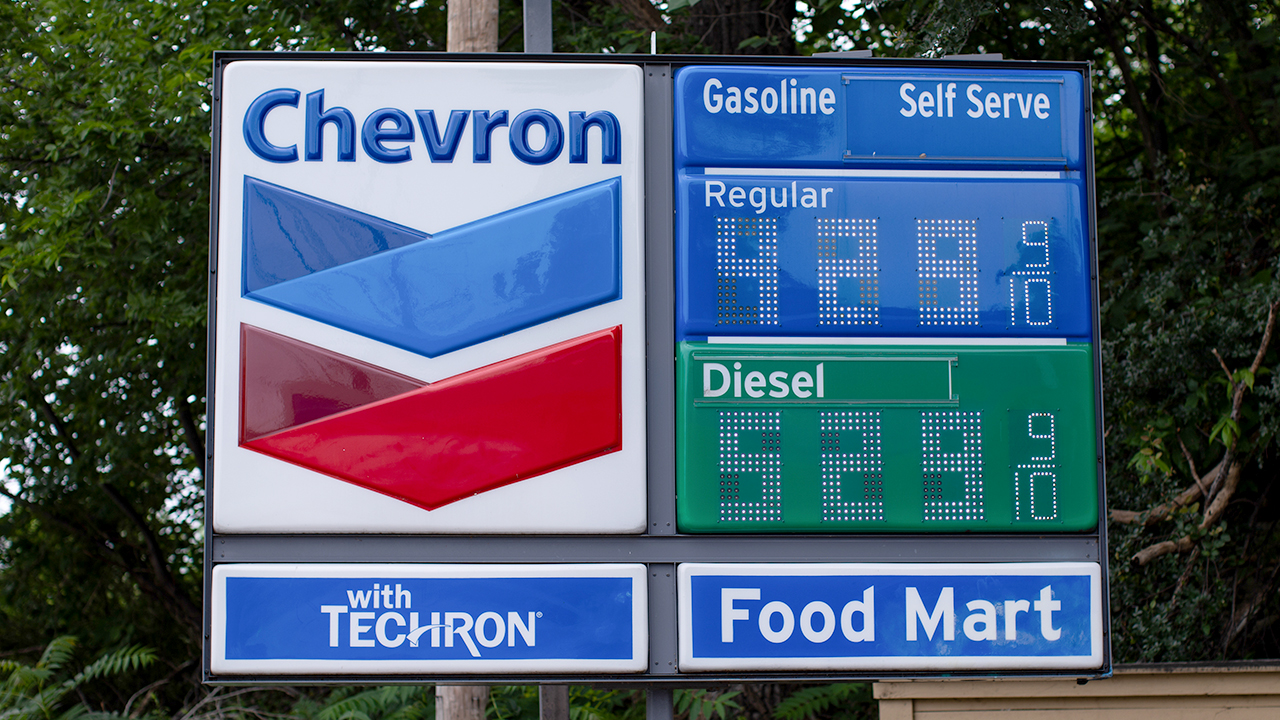
Image via Fox Business
Chevron moves to deepen Venezuela footprint as politics and barrels collide
Chevron has struck an agreement aimed at expanding its Venezuela operations, laying out plans that include billions of dollars in investment, additional acreage, and ambitions for materially higher production over time. For the U.S. major, the appeal is clear: Venezuela holds some of the world’s largest reserves, and incremental heavy-crude supply can be strategically valuable in a tighter global market.
But every Venezuelan expansion runs through politics. Any meaningful scale-up depends on the terms of U.S. sanctions policy, the durability of operating permissions, and the Venezuelan government’s willingness to maintain workable fiscal and contractual conditions. For Washington, the question is whether allowing more Venezuelan output lowers global prices and improves energy security without handing the Maduro government an unconditioned financial lifeline. For Chevron, the operational upside is real, but so is headline risk if the diplomatic weather shifts.
Source: Fox Business
Read the full story at Fox Business →
The bond market tightens the screws as 10-year Treasury yields hit a multi-year high
The U.S. 10-year Treasury yield rose to its highest level since November 2023, extending a broader climb in global borrowing costs as investors reassess inflation risk and the likely path of central-bank policy. Higher benchmark yields ripple quickly: mortgage rates, corporate borrowing, and government financing costs all tend to move up, even if unevenly and with lags.
What’s driving the move is less about one data point and more about a shifting balance of risks. If inflation proves sticky, the market has to price in “higher for longer” rates and a bigger term premium to hold long-dated bonds. At the same time, heavy Treasury issuance and strong growth pockets can pressure yields upward even without a new inflation shock. The near-term implication is tighter financial conditions; the medium-term implication is political, as debt-service costs increasingly compete with other budget priorities.
Source: CNBC
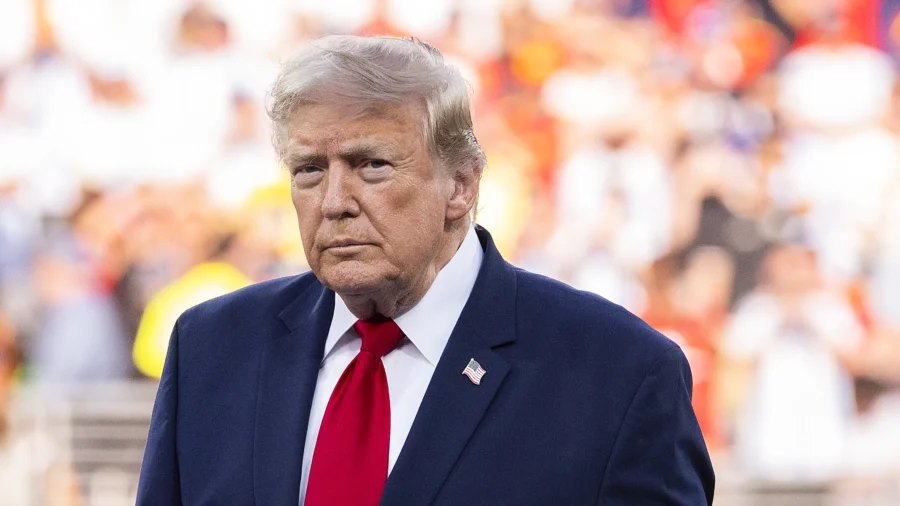
Image via NTD
Trump says he’s not pushing Tehran back to talks after latest strikes
President Donald Trump said he is not forcing Iran to return to negotiations following the latest strikes, according to remarks reported by NTD. The comment suggests a posture of pressure without an immediate diplomatic off-ramp, at least publicly, and it comes amid heightened tensions in a region where signaling can be as consequential as the strikes themselves.
The practical question is what strategy sits behind the rhetoric: deterrence aimed at curbing Iranian actions and proxy activity, or coercion intended to extract concessions without formal talks. History suggests that sustained pressure absent a credible diplomatic channel can increase escalation risk, while talks without leverage can invite stalling. For U.S. allies and energy markets, the key variables remain the scope of future operations, Iran’s response, and whether backchannel diplomacy exists even when leaders say they are not pushing negotiations.
Source: NTD
That’s the midday scan. We’ll keep tracking where the dealmaking, diplomacy, and bond market repricing intersect with real-world costs.
— Brief Updates Editorial